
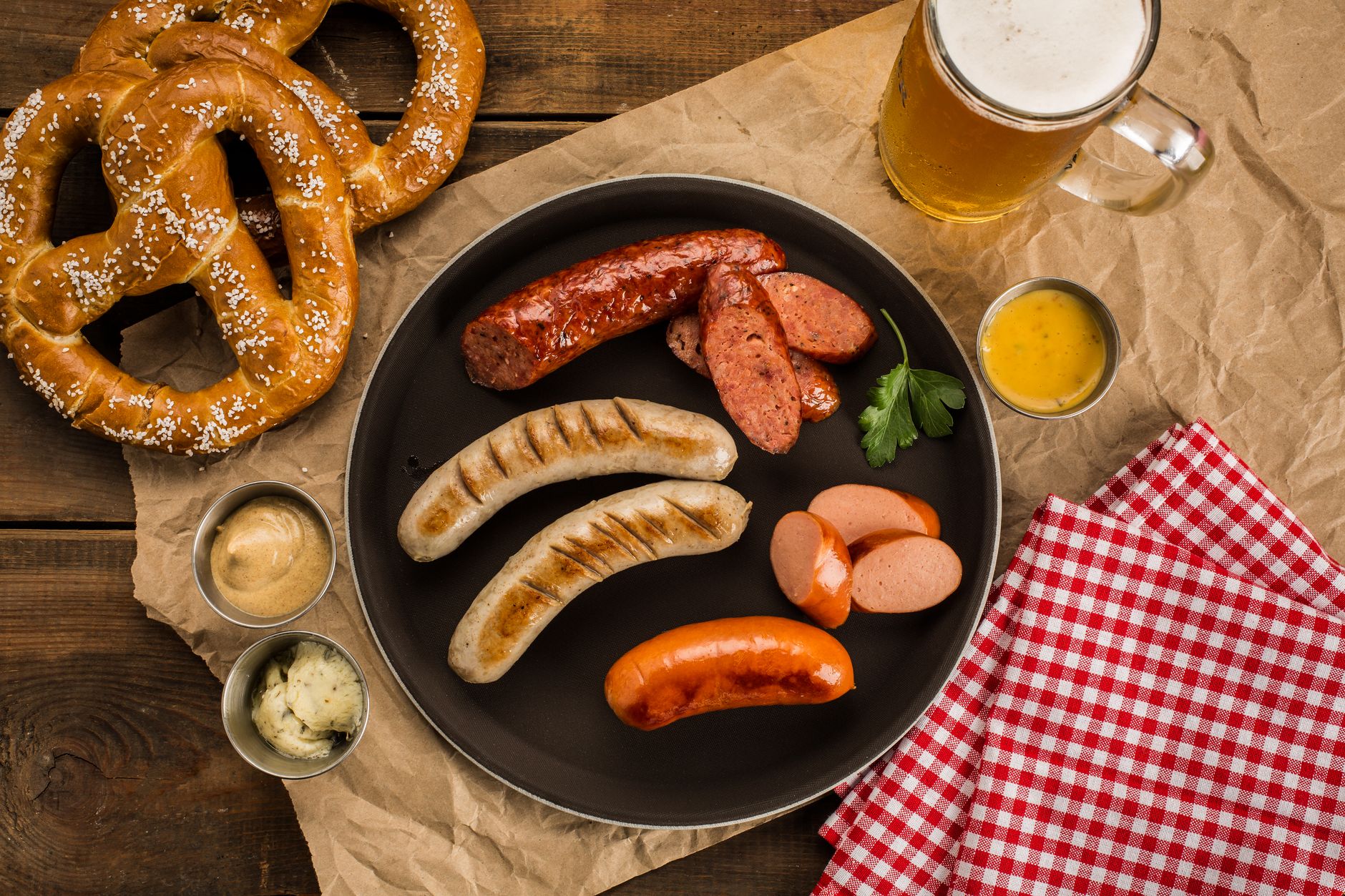
Germany is renowned for its hearty and diverse cuisine, which reflects its rich history and regional variety. From savory sausages to sweet treats, German food offers a delightful mix of flavors and textures that satisfy any palate. Whether you’re looking to experience traditional dishes or explore modern interpretations, understanding German food is essential for any home cook or food enthusiast.
This article delves into the heart of German cuisine, exploring iconic dishes, ingredients that define its flavors, and tips for preparing and enjoying these meals. You’ll discover everything from hearty dinners to festive desserts, as well as how to substitute traditional ingredients when necessary.
What Food Germany?
German food encompasses a variety of regional and traditional dishes, characterized by robust flavors, comforting textures, and often, substantial portions. Common ingredients include meats, potatoes, cabbage, and bread. Specific regional cuisines and seasonal variations also play a significant role in what constitutes “German food.”
Key Dishes in German Cuisine
To get a better understanding of German food, it’s essential to explore some of its most famous dishes. Here are a few key staples:
1. Bratwurst
Bratwurst are German sausages made from pork, beef, or veal. Typically seasoned with spices like salt, pepper, and nutmeg, they are often grilled or pan-fried. Bratwurst is commonly served in a bun with mustard or sauerkraut.
2. Sauerkraut
Sauerkraut is fermented cabbage that provides a tangy flavor to many German dishes. It is often served as a side dish with sausages or meats and adds a nice crunch and acidity to meals.
3. Schnitzel
A popular breaded and fried meat dish, schnitzel is usually made with veal or pork. It’s commonly served with a lemon wedge and accompanied by potato salad or spaetzle (a German noodle dish).
4. Pretzels (Brezn)
These twisted, baked bread products are a beloved snack in Germany. Often sprinkled with coarse salt, pretzels can be enjoyed plain or with cheese and mustard.
5. Sauerbraten
Sauerbraten is a pot roast, typically of beef, marinated for several days in a mixture of vinegar or wine, water, and various seasonings. The result is a tender, flavorful dish often served with red cabbage and potato dumplings.
6. Black Forest Cake (Schwarzwälder Kirschtorte)
This decadent dessert features layers of chocolate sponge cake, cherries, and whipped cream. Originating from the Black Forest region, it’s often garnished with chocolate shavings and additional cherries.
Essential Ingredients of German Cuisine
German cuisine relies on a few staple ingredients that help create its distinct flavors. Here’s an overview of some of the most important:
- Potatoes: Used in various forms, potatoes are a primary ingredient in many dishes, such as potato salad, dumplings, and as a side dish.
- Cabbage: Not only for sauerkraut, cabbage is also used in dishes like stuffed cabbage rolls and coleslaw.
- Mustard: A common condiment, different varieties of mustard are served with sausages and meats.
- Meats: Pork is prominent, but chicken and beef are also widely used in traditional dishes.
- Bread: Bread is a staple of German dining, with a wide variety of types produced, from rustic rye to soft white rolls.
Cooking Techniques in German Cuisine
German cooking techniques often focus on hearty, straightforward preparation methods, which help highlight the quality of the ingredients. Common techniques include:
1. Braising
Braising is a slow-cooking method involving cooking meat in a small amount of liquid over low heat. This technique is used for dishes like Sauerbraten to ensure it becomes tender and flavorful.
2. Roasting
Roasting meats and vegetables at high temperatures creates a crispy exterior while keeping the inside moist. It is a preferred method for dishes like roasts and seasonal vegetables.
3. Boiling and Steaming
These methods are used for preparing vegetables, potatoes, and dumplings, ensuring they retain their nutrients and natural flavors.
Regional Variations in German Food
Germany’s culinary diversity is influenced by its various regions, each with its unique specialties:
Bavarian Cuisine
Bavarian dishes often include hearty meats, bread dumplings, and sweet desserts. Pretzels and Weisswurst (a white sausage) are notable Bavarian delicacies.
Friesland Cuisine
The northern region is known for its seafood due to its proximity to the coast. Fish dishes and hearty stews are common here, often seasoned with spices and herbs.
Saxonian Cuisine
Central Germany, particularly Saxony, is known for its sweet dishes. Foods like Eierschecke (a layered cake) showcase the region’s baking traditions.
German Food and Seasonal Celebrations
German food traditions are often tied to seasonal celebrations and festivals. Here are a couple of examples:
Oktoberfest
This famous festival celebrates Bavarian culture and is synonymous with beer, pretzels, and sausages. Traditional dishes served during Oktoberfest include pork knuckles, potato salad, and roasted chicken.
Christmas Markets
During the Christmas season, many towns and cities host Christmas markets where sweet treats such as gingerbread cookies (Lebkuchen) and warm spiced wine (Glühwein) are sold. These festive markets highlight seasonal foods and baked goods.
Practical Cooking Tips for German Dishes
When preparing German cuisine, keep these tips in mind:
- Quality ingredients: Good quality meats, fresh vegetables, and high-quality bread can significantly impact the flavor of your dish.
- Don’t rush: Many traditional recipes benefit from slow cooking and marination, allowing flavors to meld.
- Experiment with spices: Incorporate spices like caraway seeds or paprika to enhance flavors.
- Practice technique: Techniques like sautéing, braising, and baking take practice, so don’t be discouraged by initial attempts.
Substitutions and Variations
If you can’t find specific ingredients common in German cuisine or wish to tweak a recipe, consider these substitutions:
- Bratwurst: Use Italian sausage or chicken sausage as a substitute in recipes.
- Sauerbraten Marinade: Red wine or apple cider vinegar can replace traditional vinegar for marinating.
- Potato Dumplings: You can use pre-made gnocchi for a quicker alternative.
- Schnitzel: Try using turkey cutlets or chicken breasts if you prefer poultry over pork or veal.
Serving Ideas for German Dishes
Presenting German food can be fun, allowing you to showcase the variety and richness of the cuisine. Here are a few serving ideas:
- Share platters: Present sausages, pretzels, and cheese on a large board for a communal dining experience.
- Traditional crockery: Serve dishes like sauerkraut and schnitzel in traditional ceramic German dishes to enhance authenticity.
- Garnish: Use fresh herbs like parsley or dill as a garnish for meats and potato dishes.
Storing and Reheating German Food
Proper storage and reheating of German food ensure that flavors are preserved. Here are guidelines for doing so:
- Storage: Refrigerate cooked meats, salads, and baked goods in airtight containers to maintain freshness.
- Reheating: Reheat dishes gently on the stovetop or in the oven to avoid drying them out. Avoid using a microwave for meats to maintain texture.
Conclusion
German cuisine offers a wonderful array of hearty and flavorful dishes that are perfect for family meals or festive occasions. With a bit of understanding of the ingredients, techniques, and regional variations, you can bring a taste of Germany into your kitchen. Start by trying a classic dish like schnitzel or bratwurst, and expand your culinary repertoire from there.
Explore related recipes like the original German chocolate cake or learn how to make German red cabbage for a delightful side dish. Enjoy cooking and savoring the flavors of Germany!