
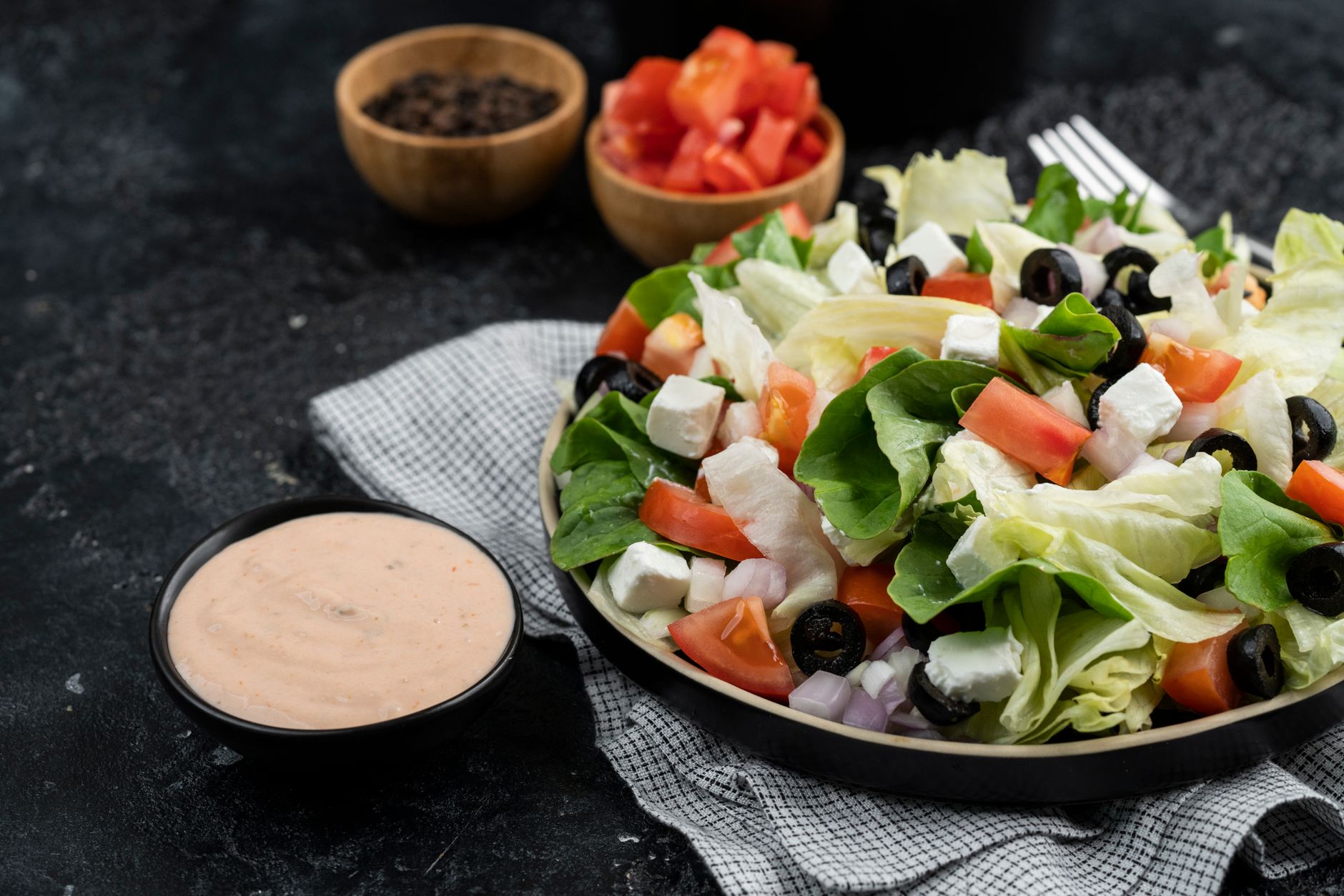
Greek salad is a vibrant and refreshing dish that perfectly embodies the essence of Mediterranean cuisine. Known for its bright flavors and crunchy textures, its versatility makes it a favorite among salad lovers. A key component that elevates a Greek salad is its dressing, which contributes to the overall harmony of the dish.
This article explores the dressing that typically goes on Greek salad, its ingredients, flavor profiles, and variations. Whether you are looking to make an authentic Greek salad or simply want to understand the components that make it shine, this guide will provide all the essential insights.
What Dressing Goes on Greek Salad?
The dressing that usually goes on a Greek salad is a simple yet flavorful combination of olive oil, red wine vinegar, lemon juice, and a medley of spices and herbs. Traditional Greek dressing is known for its balance of acidity and richness, enhancing the fresh ingredients of the salad.
Common seasonings include oregano, salt, and pepper, which bring out the best flavors of the vegetables and feta cheese, creating a salad that is both satisfying and delicious.
The Essential Ingredients for Greek Salad Dressing
A classic Greek salad dressing contains a few key ingredients that work together to create a harmonious combination of flavors. Here’s a breakdown of these essential components:
- Olive Oil: A high-quality extra virgin olive oil serves as the base of the dressing, adding a rich, fruity flavor.
- Red Wine Vinegar: This adds a tangy acidity that complements the oil and enhances the overall taste of the dressing.
- Lemon Juice: Freshly squeezed lemon juice adds bright citrus notes and further enhances the acidity.
- Oregano: Dried Greek oregano adds a characteristic earthiness that is essential to Greek cuisine.
- Salt and Black Pepper: These seasonings enhance the flavors of the other ingredients.
Understanding the Role of Each Ingredient
Each ingredient in Greek salad dressing plays a vital role in achieving the right balance of flavors:
- Olive Oil: Besides adding flavor, olive oil coats the vegetables, allowing the other ingredients to adhere effectively.
- Vinegar and Lemon Juice: The acidity helps to balance the richness of the olive oil, creating a well-rounded dressing.
- Oregano: This herb is a hallmark of Mediterranean cuisine and gives the dressing its distinct aroma.
- Salt and Pepper: These enhance the natural flavors of the salad ingredients.
How to Make Classic Greek Salad Dressing
Making Greek salad dressing at home is simple and requires minimal effort. Below is a straightforward recipe to create your dressing, bringing the taste of Greece into your kitchen.
Yield
This recipe yields approximately 3/4 cup of dressing, enough for 4-6 servings of Greek salad.
Preparation Time
Preparation time is about 5 minutes.
Ingredients for Greek Salad Dressing
- 2/3 cup extra virgin olive oil
- 1/4 cup red wine vinegar
- 2 tablespoons freshly squeezed lemon juice
- 1 teaspoon dried oregano
- 1/2 teaspoon salt (adjust to taste)
- 1/4 teaspoon freshly ground black pepper (adjust to taste)
Equipment Needed
- Small mixing bowl or jar with a lid
- Whisk or fork (if using a bowl)
- Measuring cups and spoons
Step-by-Step Method
- In a small mixing bowl or jar, combine the olive oil, red wine vinegar, lemon juice, oregano, salt, and black pepper.
- If using a jar, secure the lid tightly and shake well until the ingredients are thoroughly combined. If using a bowl, whisk together until emulsified.
- Taste the dressing and adjust the seasoning with additional salt or pepper, if necessary.
- Let the dressing sit for about 15 minutes at room temperature before using it. This allows the flavors to meld together.
Common Mistakes to Avoid
When preparing Greek salad dressing, there are a few mistakes to watch out for:
- Using Low-Quality Olive Oil: The flavor of the olive oil significantly impacts the dressing. Choose a good-quality extra virgin olive oil.
- Not Balancing Flavors: The right balance of acidity and oil is crucial. Taste and adjust based on your preference.
- Forgetting to Rest: Allowing the dressing to sit for a while enhances the flavor. Don’t skip this step!
Variations and Substitutions for Greek Salad Dressing
While the classic dressing is delightful, you might want to experiment with different flavors. Here are some variations and substitutions you can try:
Herb Variations
- Fresh Herbs: Use fresh herbs such as parsley, basil, or dill instead of dried oregano for a vibrant twist.
- Garlic: For added flavor, include minced garlic or garlic powder.
Acid Variations
- Balsamic Vinegar: Substitute balsamic vinegar for a sweeter dressing.
- Apple Cider Vinegar: For a milder tang, try apple cider vinegar instead of red wine vinegar.
Flavor Enhancers
- Honey or Maple Syrup: For a hint of sweetness, add a teaspoon of honey or maple syrup.
- Mustard: A dash of Dijon mustard can add a nice depth and creaminess to the dressing.
How to Use Greek Salad Dressing
The Greek salad dressing can be used not only for Greek salad but also to enhance a variety of dishes. Here’s how you can utilize it:
Classic Greek Salad
Drizzle the dressing over a mix of chopped cucumbers, tomatoes, red onions, kalamata olives, and feta cheese for an authentic Greek salad.
Grilled Vegetables
Toss grilled veggies like zucchini, eggplant, and bell peppers with the dressing for added flavor.
Marinade for Meats
Use the dressing as a marinade for grilled chicken or fish, adding flavor and tenderizing the proteins.
Drizzle Over Roasted Potatoes
Try drizzling the dressing over roasted potatoes for a zesty side dish that pairs well with various meals.
Serving Suggestions for Greek Salad
When serving Greek salad dressed with the classic dressing, consider the following tips:
- Chill the Ingredients: Chilling the vegetables before assembling the salad can enhance the freshness and crunch.
- Serve Fresh: Greek salad is best enjoyed fresh, as the vegetables can release moisture over time, making the salad soggy.
- Add Protein: To make it a complete meal, consider adding grilled chicken, shrimp, or chickpeas for protein.
Storage and Make-Ahead Tips
If you want to prepare the dressing or salad ahead of time, here are some suggestions:
Storage of Dressing
- Refrigerate: Store the dressing in an airtight container in the refrigerator for up to one week.
- Shake before Use: Always shake the dressing well before using, as the ingredients may separate over time.
Making Greek Salad Ahead
- Store Components Separately: To keep the salad fresh, store the chopped vegetables, dressing, and feta cheese separately until serving.
- Assemble Just Before Serving: Combine the ingredients right before serving for the best texture and flavor.
Conclusion
Greek salad is a delightful dish that showcases the freshness and flavors of Mediterranean cuisine, and the dressing is a pivotal component in achieving its iconic taste. By understanding the key ingredients that go into Greek salad dressing and how to make it at home, you can elevate your salad experience.
Making your dressing allows for customization while ensuring quality ingredients for better flavor. Now that you know all about what dressing goes on Greek salad, why not try making your own and enjoy it with friends and family?
If you are looking for more exciting recipes or cooking tips, explore delicious options like Catalina dressing or chipotle dressing for added culinary inspiration.