
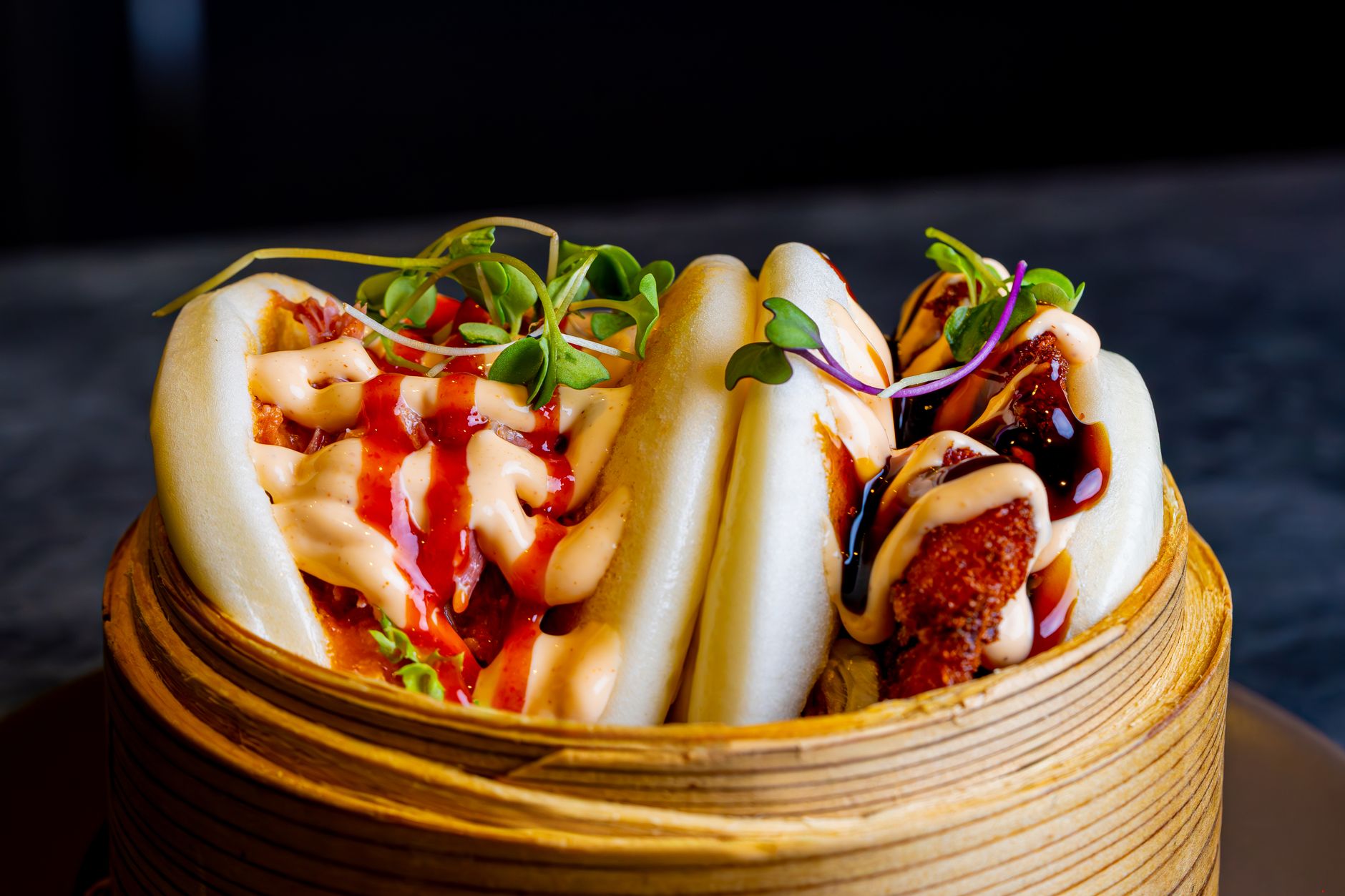
Bao, a quintessentially delicious element of Chinese cuisine, has gained international fame for its soft, pillowy texture and versatile fillings. Whether enjoyed as a snack or part of a meal, bao food offers a delightful combination of flavors and textures that appeals to many palates.
This guide will delve into what bao food is, the various ingredients used, its unique flavor profile, and how best to serve it. With a wealth of information, you’ll be well-equipped to explore and enjoy this culinary delight.
What Is Bao Food?
Bao food refers to a type of steamed bun commonly found in Chinese cuisine, known for its fluffy texture and ability to be filled with diverse ingredients. Bao can be savory or sweet, and they are typically made from a simple dough of flour, yeast, and water. The fillings vary widely, encompassing meats, vegetables, and sweet pastes.
Ingredients Used in Bao Food
To make bao, you will require a few key ingredients to create both the dough and the fillings. Here’s a breakdown:
- Flour: All-purpose flour is commonly used, providing the necessary gluten for a light, airy texture.
- Yeast: Active dry yeast helps the dough to rise and gives it a fluffy structure.
- Water: Warm water activates the yeast and helps to bind the dough.
- Sugar: A little sugar is often added to enrich the dough and promote yeast activation.
- Salt: Enhances flavor and strengthens the dough’s gluten structure.
- Fillings: Common fillings include pork, chicken, beef, vegetables, and various sweet pastes like red bean or lotus seed.
Common Variants of Bao Fillings
The fillings in bao food can vary significantly based on regional cuisines and personal preferences. Here are some popular options:
- Char Siu Bao: Filled with sweet and savory barbecued pork.
- Jiaozi Bao: Stuffed with minced meat and vegetables, similar to dumplings.
- Custard Bao: Sweet buns filled with a creamy custard filling.
- Vegetarian Bao: Made with mushrooms, bamboo shoots, and various vegetables.
Flavor Profile of Bao Food
Bao food offers a delightful combination of flavors. The dough itself has a mild sweetness and a comforting, soft texture. The fillings, whether savory or sweet, contribute to a diverse taste experience. Here are some characteristics to note:
- Sweetness: Many bao have a subtle sweetness in both the bun and the fillings, especially in dessert variants.
- Umami: Savory fillings like pork or chicken bring a rich umami flavor that enhances the overall taste.
- Herbal and Spicy Notes: Fillings such as spiced meats or seasoned vegetables add dimension with herbal and sometimes spicy notes.
How to Serve Bao Food
Serving bao food is as varied as the fillings themselves. Here are some popular ways to enjoy bao:
- As a Snack: Bao can be enjoyed as a quick street food snack, particularly when filled with savory ingredients.
- Part of a Meal: Bao can be served alongside rice and stir-fried vegetables for a more substantial meal.
- With Dipping Sauces: Offer soy sauce, chili oil, or vinegar for dipping, enhancing the flavors of the fillings.
Presentation Tips
For an appealing presentation, consider the following tips:
- Arrange bao on a platter with colorful vegetables.
- Garnish with fresh herbs, such as cilantro or green onions.
- Serve with small bowls of dipping sauce for added flavor.
Cooking Techniques for Making Bao Food
The key to creating fluffy bao is mastering the cooking technique. The primary method is steaming, which helps maintain moisture and softness. Here’s how you can make your bao step-by-step:
Steaming Bao
Steaming is the recommended method for cooking bao, ensuring that the buns remain light and fluffy. Here are the steps:
- Prepare the Dough: Mix flour, yeast, sugar, and salt together in a bowl. Gradually add warm water to form a dough.
- Knead: Knead the dough on a floured surface until smooth and elastic, about 10 minutes.
- Proof: Place the dough in a greased bowl, cover, and let it rise in a warm place until doubled in size, about 1-2 hours.
- Shape the Bao: Punch down the dough, divide it into pieces, and roll each piece into a circle. Fill with your chosen filling and seal securely.
- Second Proof: Let the shaped buns proof again for about 30 minutes.
- Steam: Steam the bao in a steamer basket over boiling water for about 10-15 minutes, or until fluffy.
Common Mistakes When Making Bao
Here are a few common pitfalls to avoid while making bao:
- Under-proofing: Not allowing the dough sufficient time to rise can lead to dense buns.
- Over-steaming: Cooking bao for too long can dry them out; keep an eye on your timer.
- Poor Sealing: Ensure the bao are well sealed around the filling to prevent leakage during cooking.
Practical Substitutions and Variations for Bao
Creating bao food can be adapted based on dietary restrictions or ingredient availability. Here are some substitutions:
- Gluten-Free Flour: Substitute with a gluten-free flour blend, but the texture may differ slightly.
- Vegan Options: Replace traditional fillings with plant-based proteins like tofu or tempeh.
- Sweetener Variations: Use honey or agave syrup instead of sugar in the dough for different flavor profiles.
Storage and Reheating Guidance
If you have leftover bao, proper storage and reheating will help maintain their texture:
- Storage: Store uneaten bao in an airtight container in the refrigerator for up to 2-3 days.
- Freezing: Bao can also be frozen. Wrap individually in plastic wrap, then place in a freezer bag for up to 3 months.
- Reheating: Steam frozen bao directly from the freezer for about 15-20 minutes to warm them through.
Serving Suggestions
Experiment with different fillings and sides to find your perfect combination. Here are a few serving suggestions:
- Pair with a tangy dipping sauce, such as soy sauce mixed with vinegar.
- Serve alongside a fresh cucumber salad for a refreshing contrast.
- Include a flavorful broth or soup for added warmth and satisfaction.
With its diverse range of flavors and flexibility in fillings, bao food can cater to various tastes. Whether you prefer classic char siu bao or innovative vegetarian options, mastering this delicious dish promises a rewarding experience.
Explore different recipes for bao with fillings such as red bean paste or try making your own delicious cream cheese filling with this cream cheese rangoon recipe. Enjoy discovering the world of bao food!