
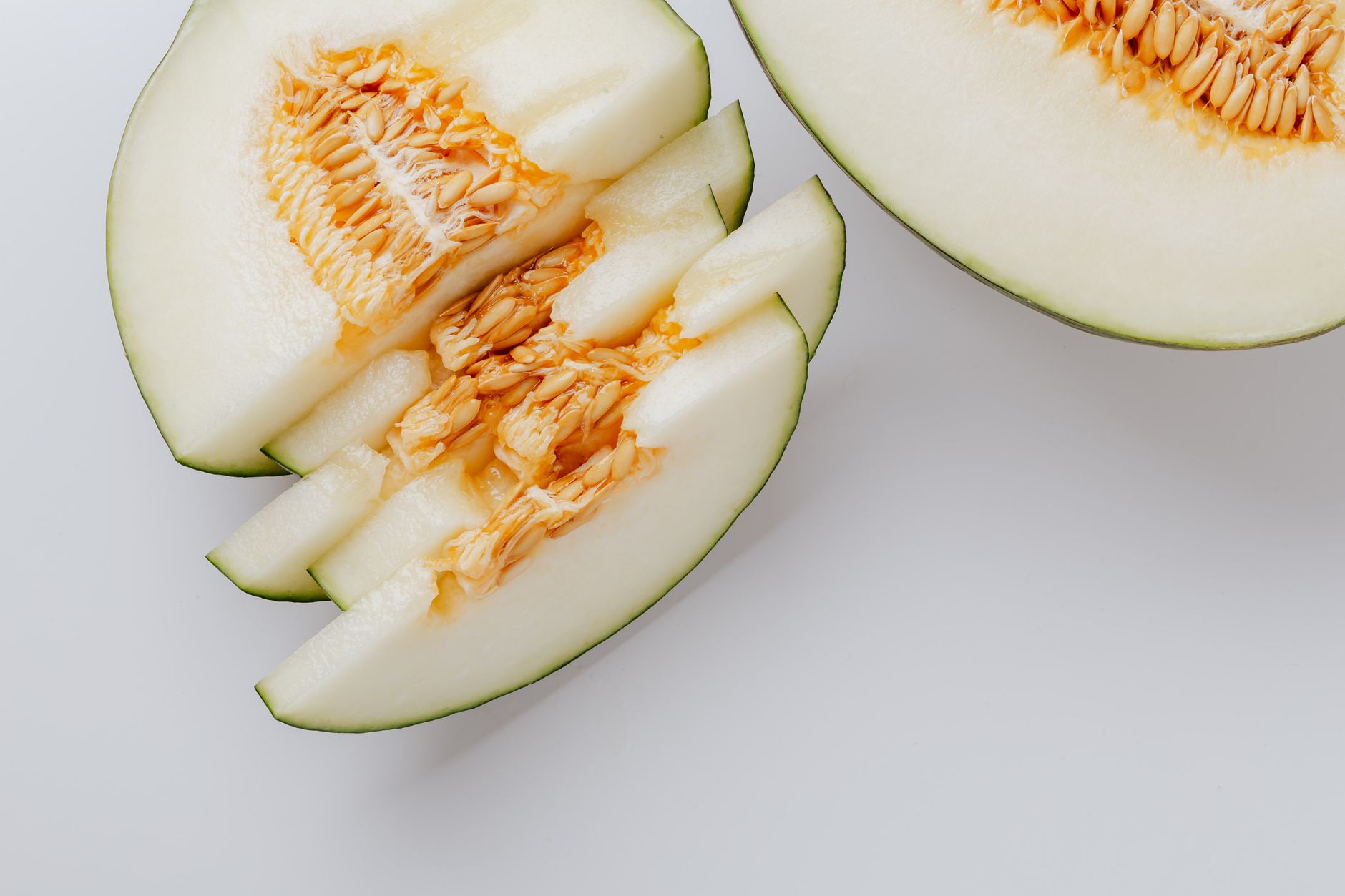
Melons are a diverse group of fruits belonging to the Cucurbitaceae family. Known for their refreshing taste, juicy texture, and vibrant colors, melons make an excellent addition to various dishes, desserts, and beverages. In this article, we’ll delve into different types of melons, their flavors, how to select and store them, and creative ways to serve this delightful fruit.
Whether you’re planning a summer picnic, looking for nutritious snack options, or simply curious about these juicy fruits, understanding what melons are and how to use them can elevate your culinary experience. Let’s explore the world of melons, including their ingredients, flavor profiles, and serving suggestions.
What Is Melon?
Melon refers to a type of fruit that is generally large, sweet, and composed mainly of water, making it hydrating and refreshing. With various types of melons, such as watermelon, cantaloupe, and honeydew, each brings its unique flavor and texture to the table. These fruits are typically eaten raw but can also be incorporated into salads, desserts, and beverages.
Types of Melons
Melons can be categorized into two main groups: true melons and winter melons. Here’s a closer look at some popular varieties.
True Melons
- Watermelon: Known for its sweet, watery flesh and green rind, watermelon is a favorite summer fruit. It can be enjoyed fresh, in salads, or blended into refreshing smoothies.
- Cantaloupe: This melon has a textured orange flesh and a sweet aroma. Cantaloupe works well in fruit salads or can be enjoyed alone with a sprinkle of salt or lime.
- Honeydew: With its pale green flesh, honeydew has a sweet, mild flavor. It is often used in fruit salads or smoothies for added sweetness and hydration.
- Galia: This hybrid melon combines the attributes of cantaloupe and honeydew. Its sweet and fragrant flesh is perfect for both snacking and desserts.
Winter Melons
- Winter Melon: Recognized for its pale green skin and mild flavor, winter melon is often used in soups and savory dishes, especially in Asian cuisine.
- Santa Claus Melon: This melon features a sweet, aromatic flesh and thick green-brown skin. It is commonly enjoyed in fruit salads or on its own.
Flavor and Texture
Melons are known for their refreshing and juicy qualities. The flavor profiles vary significantly among different types of melons, but they are generally sweet and slightly tangy.
Watermelon
Watermelon has a high water content (about 92%) and a sweet, juicy flavor that is synonymous with summer. Its texture is crisp, and it can be eaten in large wedges or cubed.
Cantaloupe
Cantaloupe presents a sweet, honey-like flavor with a soft, orange flesh. Its texture is slightly fibrous, which makes it enjoyable to eat fresh or in salads.
Honeydew
Honeydew is characterized by its sweet, mild flavor and creamy, smooth texture. It is often considered the sweetest of the common melons, making it an excellent addition to fruit platters.
How to Select and Store Melons
Choosing the right melon is essential for the best flavor and enjoyment. Here’s a primer on selecting and storing melons effectively.
Selecting Melons
When selecting melons, look for these qualities:
- For watermelons, examine the field spot (a creamy yellow area where the melon rested on the ground). The darker the color, the riper the watermelon.
- Cantaloupes should have a sweet aroma at the stem end and feel heavy for their size. The netting should be pronounced and the skin should be creamy-yellow.
- Honeydews should be slightly soft at the stem end, indicating ripeness, and have a sweet fragrance.
Storing Melons
To ensure your melons last longer, consider the following guidelines:
- Whole melons can be stored at room temperature until ripe. Once ripe, they should be refrigerated to maintain freshness.
- Cut melons should be wrapped tightly in plastic wrap or stored in an airtight container. They typically last about 3 to 5 days in the refrigerator.
How to Serve Melons
Melons can be enjoyed in various creative and delicious ways. Here are some serving suggestions that highlight their flavor and versatility:
Fresh and Simple
One of the simplest ways to enjoy melons is to slice them fresh. Consider the following:
- Cut a watermelon into wedges and serve chilled for a refreshing summer snack.
- Cube cantaloupe and honeydew, then combine them in a bowl for a colorful fruit salad.
- Garnish with mint leaves or lime juice for an added flavor boost.
In Salads
Melons pair nicely with other fruits, vegetables, and proteins. Here are some salad ideas:
- Watermelon, feta, and mint salad: Combine diced watermelon with crumbled feta cheese and fresh mint. Drizzle with olive oil and lime juice for a refreshing dish.
- Cantaloupe and prosciutto: Wrap cantaloupe wedges in thin slices of prosciutto for a sweet and savory appetizer.
- Fruit salad: Mix honeydew, cantaloupe, and berries for a vibrant, visually appealing fruit salad.
In Smoothies and Drinks
Melons can be blended into smoothies or used to flavor beverages:
- Watermelon slush: Blend watermelon with ice and a splash of lime juice for a refreshing summer drink.
- Cantaloupe smoothie: Combine cantaloupe with yogurt, honey, and ice for a creamy smoothie.
- Fruit-infused water: Add chunks of watermelon or honeydew to a pitcher of water for a subtle fruity flavor.
Cooking with Melons
Although melons are mainly enjoyed raw, they can also be cooked or grilled for unique flavor profiles. Here are some methods:
Grilling Melons
Grilling melons caramelizes their sugars and enhances their flavor:
- Cut watermelon or cantaloupe into thick slices, brush with olive oil, and grill for a few minutes on each side until grill marks appear.
- Serve warm topped with a sprinkle of sea salt or fresh herbs like basil or mint.
Soups and Sauces
Melons can also be pureed into cold soups or used to create unique sauces:
- Chilled watermelon soup: Blend watermelon with fresh lime juice and serve chilled with a drizzle of yogurt.
- Melon salsa: Dice watermelon or cantaloupe and mix with red onion, jalapeño, lime juice, and cilantro for a refreshing salsa to accompany grilled meats.
Melon-Based Desserts
Melons can be a refreshing ingredient in desserts, adding natural sweetness without excessive added sugar:
Frozen Treats
- Melon popsicles: Blend your favorite melon with a splash of fruit juice, pour into popsicle molds, and freeze.
- Granita: Puree watermelon or cantaloupe with a bit of lemon juice, freeze in a shallow container, and scrape with a fork to create a light, fluffy dessert.
Sweet Salads and Parfaits
Incorporate melons into sweet salads or parfaits:
- Fruit parfait: Layer melon cubes with yogurt and granola for a nutritious breakfast or snack.
- Melon salad: Toss cubed melon with berries and a drizzle of honey for a delightful dessert.
Common Mistakes to Avoid
When working with melons, there are a few common pitfalls to avoid to make the most of these delicious fruits:
- Choosing underripe melons: Always check the aroma and feel for ripeness before purchasing.
- Overripe melons: An overripe melon may be mushy or have an off smell. Choose carefully.
- Improper storage: Store ripe melons in the refrigerator to prevent spoilage.
Creative Variations and Substitutions
Melons lend themselves well to variations and substitutions:
- For salads, substitute different types of melons based on your preference or seasonality.
- Blend melon with other fruits or vegetables to create unique smoothies or juice combinations.
- Experiment with herbs and spices, such as basil or chili powder, to create new flavor profiles.
Health Benefits of Melons
In addition to their delicious flavors, melons offer several health benefits:
- Low in calories and high in water content, making them an excellent hydrating snack.
- Rich in vitamins A and C, essential for skin health and immune function.
- Contains antioxidants, which may help reduce oxidative stress in the body.
Conclusion
Melons are versatile fruits that can enhance a variety of culinary creations while offering refreshing taste and texture. From cooking to creative serving suggestions, melons present endless opportunities to satisfy your cravings. Don’t hesitate to experiment with different types of melons and incorporate them into your meals and snacks.
To learn more tips about food storage or explore delicious recipes, check out our guide on freezing watermelon or find out how long to bake boneless pork chops.