
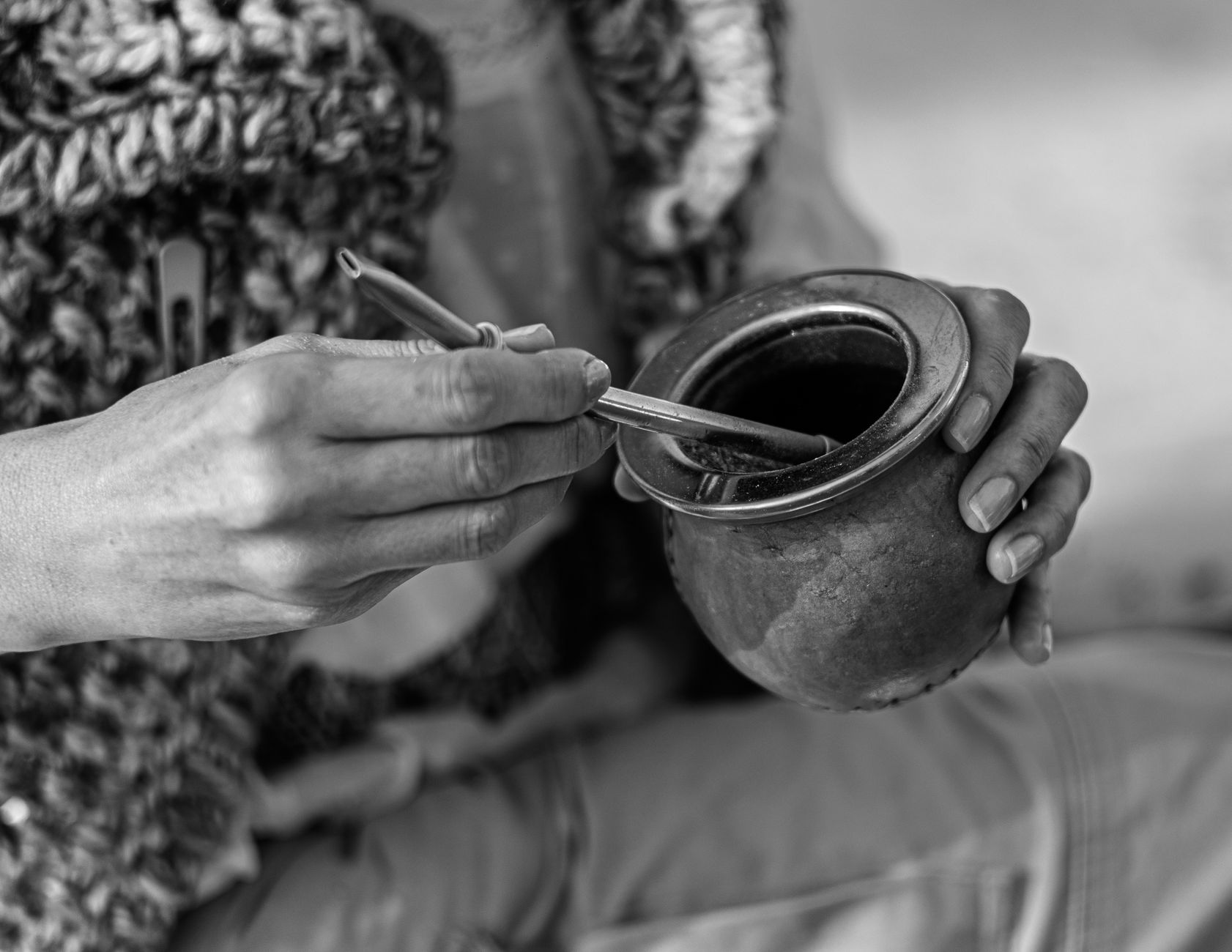
The flavor profile of mate is distinct and multifaceted, with a unique taste that can surprise first-time drinkers. Often described as earthy, robust, and slightly bitter, mate has the characteristics of a strong herbal tea. This complex beverage is not only rich in flavor but also carries cultural significance, particularly in South America.
In addition to its flavor, the texture and serving method of mate contribute to a unique drinking experience. Understanding what mate tastes like and how it can be prepared is essential for anyone looking to appreciate this traditional drink.
What Does Mate Taste Like?
Mate tastes earthy and bitter, reminiscent of green tea but with more intense and rich layers. The bitterness can vary depending on the type of mate used and how it is prepared. Some drinkers also note subtle grassy, floral, and nutty flavors, creating a complex profile that evolves with each sip.
Flavor Profile of Mate
Mate carries an intricate flavor profile that can vary based on the preparation method, steeping time, and the specific type of yerba mate used. Below are some of the primary flavor characteristics:
- Earthy: The dominant flavor is often characterized as earthy, giving it a grounding quality akin to many herbal teas.
- Bitterness: A natural bitterness is present, which many drinkers appreciate may be somewhat overpowering for newcomers.
- Herbal notes: Depending on the brand or blend, mate can also evoke notes of dried herbs, grass, and plants.
- Floral qualities: Some varieties may offer hints of floral or fruity notes, especially when blended with other herbs or flowers.
- Nutty undertones: Especially in roasted blends, some mate can have nutty flavors reminiscent of toasted grains or seeds.
Understanding the Texture of Mate
The texture of mate can be described as rich and full-bodied. The micro-fine particles of yerba mate create a texture that is grainy and somewhat gritty. This texture can vary slightly based on how the yerba is ground and prepared. Additionally, when sipped, the drink can have a slightly viscous mouthfeel due to the oils present in the leaves.
How is Mate Served?
Mate is traditionally prepared and served in a specific way that adds to its unique experience. Here’s a comprehensive look at the traditional serving method:
Traditional Equipment
The key components for preparing mate are:
- Bombilla: A metal straw with a filter at one end that allows you to drink the mate while avoiding the leaves.
- Mate gourd: This is the cup used to hold the yerba mate. It can be made from various materials, including wood, ceramic, glass, or even metal.
Preparation Method
- Fill the gourd: Pour yerba mate leaves into the gourd, filling it about half to three-quarters full.
- Positioning: Tilt the gourd at an angle, creating an empty space on one side. This helps to aerate the leaves and prepare for the water.
- Add water: Pour hot, but not boiling, water into the empty space (about 70°C or 158°F). This avoids burning the leaves and enhancing bitterness.
- Insert the bombilla: Place the bombilla into the gourd, resting it in the wet yerba without disturbing the leaves.
- Enjoy: Sip the mate through the bombilla. When the water level drops, replenish with more hot water into the same side, avoiding disturbance of the leaves.
This method allows the yerba leaves to steep multiple times, releasing different flavors with each infusion.
Types of Mate and Their Flavor Variations
Different types of yerba mate can dramatically affect the taste. Here are the most common ones:
Traditional Yerba Mate
This variant is typically unflavored and offers the classic earthy and grassy taste. It is served and brewed using the traditional method and is often quite bitter.
Roasted Mate
Roasted mate has a smoky flavor and a mellower profile. The roasting process reduces bitterness and introduces nutty and toasted notes.
Flavored Mate
This category includes blends with added herbs, spices, or fruit flavors. Common additions include mint, citrus, or herbs like chamomile, which can lighten the bitterness and add refreshing notes.
The Sensory Experience of Drinking Mate
Drinking mate is not just about taste; it is a full sensory experience:
- Aroma: The smell of brewed mate can be herbal and slightly sweet, inviting you to enjoy its complexity.
- Visual: The appearance of the gourd filled with dried leaves and the swirling hot water presents an enticing visual.
- Social Aspect: Sharing a gourd with friends is customary in many cultures, enhancing the overall experience with conversation and connection.
Common Mistakes When Preparing Mate
While making mate can seem straightforward, there are some common pitfalls:
- Using boiling water: Water that is too hot can burn the leaves, resulting in an overly bitter flavor.
- Overstepping: Leaving the bombilla in the gourd for too long can lead to excessive bitterness.
- Improper cleaning: Not cleaning the bombilla and gourd properly can lead to unpleasant flavors in future brews.
Variations on Traditional Mate
There are numerous ways to enjoy mate beyond the traditional preparation:
Iced Mate
Iced mate has gained popularity in warmer climates. To prepare:
- Brew a strong batch of mate using double the usual amount of yerba.
- Allow it to cool and pour over ice.
- Add sweeteners, fruits, or herbs as desired.
Chai Mate
Blending mate with traditional chai spices (like cinnamon, ginger, or cardamom) introduces warmth and complexity.
Milk or Creamy Variants
Some enjoy mate with milk or cream for a smoothing effect, softening bitterness and adding richness.
Health Benefits Associated with Mate
While we will not promise health benefits, many people enjoy mate for its potential advantages, including:
- Antioxidants: Mate contains a considerable amount of antioxidants, which may help combat cellular damage.
- Energy boost: Due to its caffeine content, mate can provide a stimulating effect similar to coffee or tea.
- Digestive aid: Historically, mate has been associated with various digestive benefits.
How to Choose Quality Mate
Selecting high-quality mate is essential for the best flavor:
- Look for freshness: Freshly dried leaves will result in a better tasting mate; avoid overly powdery or stale blends.
- Check for certifications: If possible, choose organic products to avoid pesticides.
- Read reviews: Customer feedback can provide insights into specific brands and flavor profiles.
Storing Your Mate
Proper storage ensures that your yerba mate maintains its flavor and potency:
- Keep it dry: Store yerba mate in a cool, dry place, away from light and moisture.
- Airtight container: Use an airtight container to prevent it from going stale or absorbing unwanted odors.
Conclusion
Understanding what mate tastes like involves appreciating its earthy, bitter, and complex flavor profile, as well as recognizing the cultural significance behind its preparation. The unique experience of drinking mate can be greatly enhanced by experimenting with different serving methods and types of yerba mate. Whether served in its traditional form or with modern variations, mate offers a delightful beverage that is worth exploring.
For further exploration, you may want to check out guides on what green tea tastes like or learn about what saffron tastes like. Each ingredient and beverage has its own unique profile waiting to be discovered.