
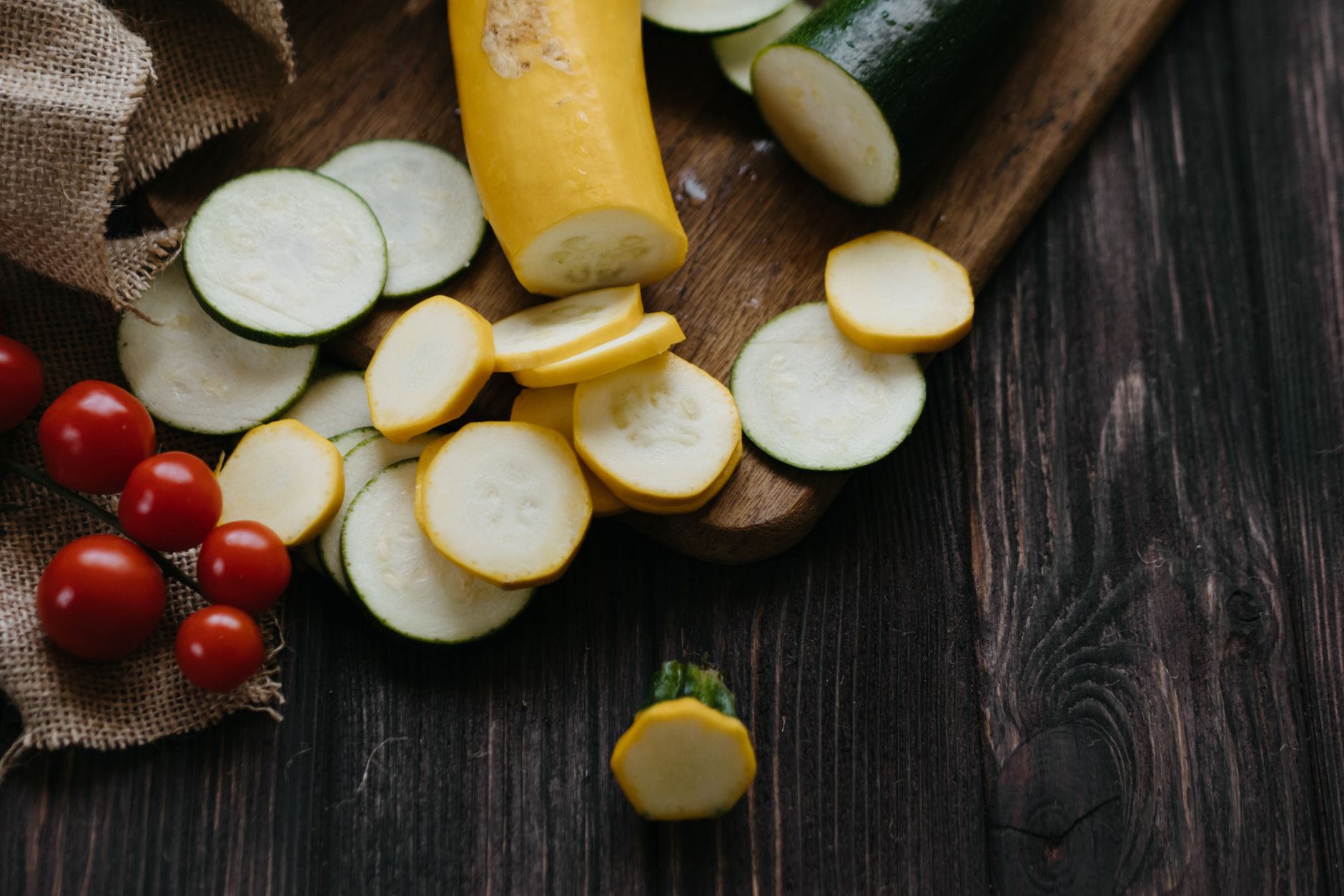
When it comes to enjoying vegetables in their freshest form, you may wonder if raw yellow squash is a safe and tasty option. Yellow squash, known for its tender texture and mild flavor, can indeed be consumed raw. This article will explore the safety, preparation, and serving suggestions for raw yellow squash, so you can confidently include it in your meals.
Raw yellow squash offers a crunchy texture and slightly sweet flavor, making it a versatile vegetable for salads, dips, and snacks. Not only is it safe to eat raw, but incorporating it into your diet also provides various nutrients. Understanding how to select, prepare, and store raw yellow squash will enhance your culinary experience.
Can You Eat Raw Yellow Squash?
Yes, you can eat raw yellow squash. It is safe, nutritious, and adds a refreshing element to salads, slaws, and vegetable platters. Raw yellow squash can be enjoyed sliced, diced, or shredded, allowing for a variety of culinary applications.
Understanding Yellow Squash
Yellow squash comes from the summer squash family and is known for its soft skin and tender flesh. There are two common varieties: crookneck and straightneck. While the former has a slightly curved neck, both varieties can be eaten raw. Yellow squash is rich in vitamins A, C, and B6, as well as fiber and potassium, making it a healthy addition to your diet.
Selecting Raw Yellow Squash
Choosing the right yellow squash is crucial for optimal taste and texture. Here are some tips on selecting fresh squash:
- Appearance: Look for squash that is bright yellow with smooth skin free of blemishes or soft spots.
- Size: Choose smaller, younger squash (6-8 inches in length), as they tend to be more tender and flavorful. Larger squash may have a tough texture and larger seeds.
- Firmness: The squash should feel firm to the touch. Avoid any that feel soft or spongy.
Preparing Raw Yellow Squash
Preparation is key to enjoying raw yellow squash. Here are the essential steps:
- Wash: Rinse the squash under cold running water to remove any dirt or pesticide residues. Use a vegetable brush to scrub the skin gently if needed.
- Trim: Cut off both ends of the squash. You can peel the skin, but it’s not necessary since the skin is edible and full of nutrients.
- Slice or Dice: Depending on how you plan to use the squash, slice it into rounds, half-moons, or dice it into cubes. You can also shred it using a grater for salads or slaws.
Food Safety Tips for Raw Yellow Squash
Eating raw yellow squash is safe, but there are important food safety guidelines to keep in mind:
- Storage: Store raw squash in the refrigerator’s crisper drawer to maintain freshness. Use it within 3-5 days for the best quality.
- Cross-Contamination: Always wash your hands before and after handling raw vegetables. Use separate cutting boards and utensils for raw produce to prevent cross-contamination with other foods.
- Check for Spoilage: Before using, inspect your squash for any signs of spoilage, such as a foul smell or greyish appearance. If you notice these signs, discard the squash.
Serving Suggestions for Raw Yellow Squash
Raw yellow squash can be enjoyed in a variety of ways. Here are some serving suggestions:
- Salads: Add sliced or shredded yellow squash to mixed salads for a crunchy texture. Pair with greens, cherry tomatoes, and a tangy vinaigrette.
- Dips: Serve sliced yellow squash with hummus, tzatziki, or guacamole as a refreshing dip platter.
- Slaws: Combine shredded yellow squash with shredded carrots, cabbage, and a light dressing for a vibrant slaw. This is especially great for summer barbecues.
- Wraps and Sandwiches: Use thinly sliced yellow squash as a fresh layer in wraps or sandwiches, adding crunch and flavor.
Raw Yellow Squash Recipes
Here are two simple recipes that utilize raw yellow squash:
Yellow Squash Salad with Lemon Vinaigrette
This light salad highlights the subtle sweetness of raw yellow squash and combines it with refreshing ingredients.
- Ingredients:
- 2 medium yellow squashes, thinly sliced
- 1 cup cherry tomatoes, halved
- 1/4 red onion, thinly sliced
- 2 tablespoons olive oil
- 1 tablespoon lemon juice
- Salt and pepper to taste
- In a large bowl, combine sliced yellow squash, cherry tomatoes, and red onion.
- In a small bowl, whisk together olive oil, lemon juice, salt, and pepper.
- Drizzle the dressing over the vegetables and toss gently to combine.
- Serve immediately or refrigerate for up to 30 minutes to allow flavors to meld.
Yellow Squash and Carrot Slaw
This slaw is not only colorful but also packed with flavor and nutrition.
- Ingredients:
- 1 medium yellow squash, shredded
- 1 medium carrot, shredded
- 1 cup green cabbage, shredded
- 2 tablespoons apple cider vinegar
- 1 tablespoon honey
- Salt and pepper to taste
- In a bowl, combine shredded yellow squash, carrot, and cabbage.
- In a separate bowl, whisk together apple cider vinegar, honey, salt, and pepper.
- Pour the dressing over the vegetable mix and toss to coat.
- Let it sit for at least 10 minutes before serving to allow flavors to develop.
Common Mistakes When Preparing Raw Yellow Squash
Here are some common pitfalls to avoid when preparing raw yellow squash:
- Not Washing Thoroughly: Always wash yellow squash to remove any dirt or chemical residues.
- Peeled Squash: Many nutrients are found in the skin; peeling can diminish the health benefits.
- Ignoring Storage Guidelines: Improper storage can lead to spoilage. Store in the refrigerator and use within a few days for the best quality.
Nutritional Benefits of Raw Yellow Squash
Raw yellow squash is not only versatile but also nutritious. Here are some of its key benefits:
- Low in Calories: Yellow squash is low in calories, making it perfect for those looking to maintain or lose weight.
- High in Vitamins: It is an excellent source of vitamins A and C, which are vital for eye health and immune function.
- Rich in Fiber: The fiber content aids digestion, promoting a healthy gut.
Storage Tips for Raw Yellow Squash
To maintain the freshness of raw yellow squash, follow these storage tips:
- Keep it Cool: Store in a cool, dry place if not refrigerated. Refrigeration is the best option.
- Use Plastic Bags: Place the squash in a plastic bag with holes to allow airflow and retain moisture.
- Avoid Ethylene-Producing Fruits: Keep yellow squash away from fruits like apples and bananas, which can hasten spoilage.
Common Questions About Eating Raw Yellow Squash
Here are some frequently asked questions about consuming raw yellow squash:
Is it safe to eat raw yellow squash?
Yes, it is safe to eat raw yellow squash as long as it is washed and properly prepared. Be mindful of any signs of spoilage before consuming.
Can you eat yellow squash seeds raw?
Yes, the seeds inside smaller yellow squashes are tender and edible. However, larger squashes may have tougher seeds that can be discarded.
What is the best way to enjoy raw yellow squash?
Raw yellow squash can be enjoyed in salads, as part of a vegetable platter with dips, or added to slaws for additional texture and flavor.
In summary, raw yellow squash is a delicious and nutritious option that can enhance a variety of dishes. Its mild flavor and crisp texture make it perfect for salads, slaws, and snacks. By selecting fresh squash, following food safety guidelines, and experimenting with preparation methods, you can make the most of this versatile vegetable.
For those looking for additional ways to prepare squash, consider exploring this fried squash recipe or learn more about eating raw asparagus. Happy cooking!