
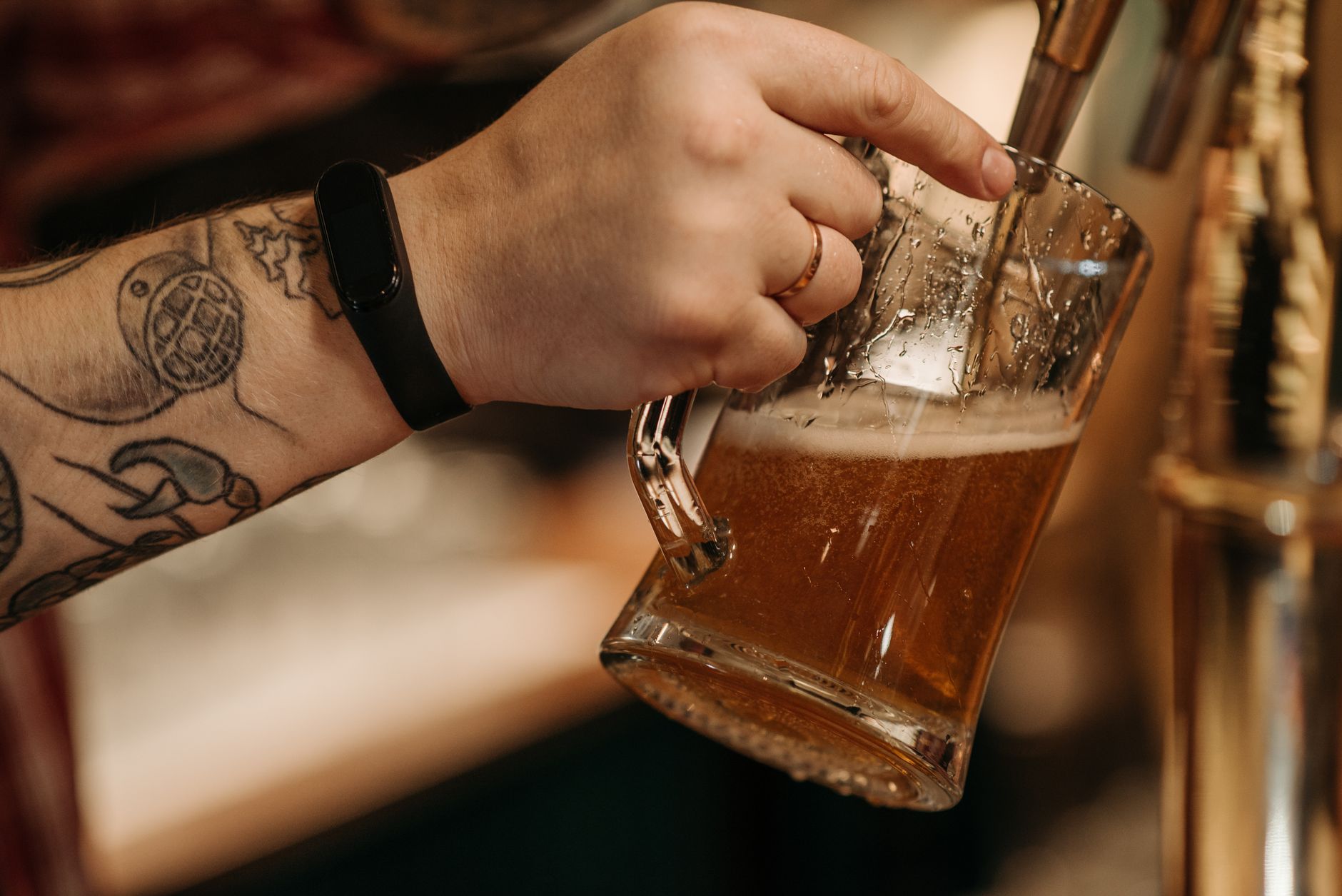
Draft beer is a beloved beverage choice in bars and restaurants, known for its fresh taste and unique character. But what exactly does draft beer mean? Understanding its origins, the process of serving it, and how it differs from other types of beer adds to its enjoyment.
This article will explore the history of draft beer, its brewing methods, and how it can elevate your drinking experience. Whether you’re a beer enthusiast or just curious about the beverage, you’ll gain valuable insights into draft beer.
What Does Draft Beer Mean?
Draft beer, also known as draught beer, refers to beer that is served from a keg rather than from a bottle or can. It is typically fresher and may have a different flavor and texture due to the way it is poured and the type of container used. Draft beer is often preferred for its taste and the experience of drinking it from a tap.
History of Draft Beer
The history of draft beer dates back thousands of years, with its roots in ancient cultures. Early civilizations like the Sumerians and Egyptians brewed beer using simple methods, often served in communal vessels. The concept of pouring beer from a keg emerged later, as brewing techniques evolved and the need for preservation and transportation increased.
By the Middle Ages, beer brewing was becoming refined in Europe. Kegs, made from wood, allowed for easier transport and storage of beer, making draft beer more accessible. The introduction of the beer tap system in the 19th century revolutionized how beer was served, allowing for consistent pouring and enhancing the drinking experience.
Understanding How Draft Beer is Made
Draft beer production involves several key steps, starting with brewing. The process typically includes the following stages:
- Brewing: The base ingredients – water, malted barley, hops, and yeast – are combined and heated to create the wort.
- Fermentation: Yeast is added to the wort to ferment the sugars, converting them into alcohol and carbonation over a few weeks.
- Conditioning: After fermentation, the beer undergoes conditioning to enhance flavor and stabilize the product.
- Kegging: The finished beer is then transferred into kegs, from which it will be served. This process may involve filtration to clarify the beer.
Types of Draft Beer
There are several types of draft beer, categorized mainly by styles and breweries:
- Local Microbrews: Often produced by small breweries, these beers showcase regional ingredients and flavors.
- Craft Beers: These are artisanal brews crafted with attention to detail, often featuring innovative flavors.
- Traditional Lagers and Ales: These classic styles continue to hold popularity, known for their balanced flavors and consistency.
- Seasonal Brews: Many breweries create special seasonal drafts that highlight seasonal ingredients or brewing techniques.
How Draft Beer is Served
Draft beer is typically served from a keg through a beer tap system, which ensures proper sanitation and optimal flavor. Here’s how it works:
- Keg Storage: Kegs are stored in a cool, controlled environment to maintain the quality of the beer.
- Tap System: A keg tap is connected to the keg, allowing beer to be dispensed. Gas pressure (usually CO2 or a mix of CO2 and nitrogen) pushes the beer out of the keg and into the glass.
- Pouring: The bartender tilts the glass at a 45-degree angle to pour the beer, minimizing foam, then straightens the glass to create a proper head.
Importance of Temperature
The temperature at which draft beer is served significantly affects its flavor profile. Most beers are best served between 38°F and 50°F (-3°C to 10°C), depending on their style. Lighter beers, such as lagers, are often served colder, while darker ales may be served warmer to enhance their rich flavors.
Equipment Used in Draft Beer Systems
A system to serve draft beer involves several key pieces of equipment:
- Keg: The main container that holds the beer.
- Keg Tap: A device that connects to the keg and dispenses the beer.
- CO2 Tank: Provides the pressurized gas needed to push the beer from the keg.
- Beer Lines: Tubing that carries the beer from the keg to the tap.
- Tap Handles: The part that bartenders pull to pour the beer.
Draft Beer vs. Bottled and Canned Beer
Understanding the differences between draft beer, bottled beer, and canned beer can help you appreciate your choices more fully:
Flavor and Freshness
Draft beer is often considered fresher because it is stored in kegs, usually with less exposure to light and air. Bottled and canned beers may have a longer shelf life, but the transition from brewing to packaging can alter their flavor. For those looking for the best tasting experience, draft beers are often the top choice.
Carbonation Levels
Draft beer is often served with higher carbonation levels than bottled or canned varieties, creating a different mouthfeel. This is achieved through the kegging process, where CO2 is added. The balance of carbonation can affect not only the taste but also the aroma of the beer.
Portability and Convenience
Bottled and canned beers are more portable and convenient for outdoor gatherings, tailgating, or picnics. Draft beer is typically best enjoyed in an establishment with the necessary tap system and equipment.
Popular Draft Beer Styles
There are numerous styles of draft beer, each with unique characteristics. Here are some of the most popular:
- IPA (India Pale Ale): Characterized by strong hop flavors and aromas, often with floral or citrus notes. IPAs are very popular in craft beer circles.
- Pale Ale: A balanced beer with moderate hops and malt flavors, offering a refreshing option for many drinkers.
- Stout: Dark and rich, stouts come with notes of chocolate, coffee, and roasted malt. Draft stouts are often creamier due to nitrogen infusion.
- Wheat Beer: Light and refreshing, wheat beers often have fruity undertones and a hazy appearance. They are especially popular during warmer months.
- Amber Ale: Featuring a balance between malt sweetness and hop bitterness, amber ales offer a versatile choice for many palates.
How to Choose the Right Draft Beer
Selecting a draft beer can be a delightful experience, especially with so many options available. Consider these tips:
- Ask for Recommendations: Bartenders often have valuable insights into seasonal brews or local favorites.
- Know Your Preferences: Think about the flavors and styles of beer you have enjoyed in the past. This can help guide your choice.
- Tasting Flights: Many establishments offer small flights of beer, allowing you to sample a variety of draft options before committing to a full pint.
Common Mistakes in Enjoying Draft Beer
Even the most seasoned beer drinkers can make mistakes that detract from their experience. Here are some pitfalls to avoid:
- Ignoring Glassware: The right glassware can enhance the flavors and aromas of your beer. Avoid drinking directly from the tap or bottle.
- Over-Pouring: Avoid filling your glass too quickly or forcefully, which can lead to excessive foam and waste.
- Neglecting Temperature: Serving draft beer at the improper temperature can mute its flavors. Pay attention to the recommended serving temp for your beer style.
Storing and Serving Draft Beer at Home
If you’re interested in enjoying draft beer at home, here’s how to do it properly:
Investing in Home Draft Systems
A home draft beer system allows for a tap experience in the comfort of your own home. Here are points to consider:
- Types of Systems: There are several options, from portable kegerators to more complicated setups that require refrigeration and specific gas systems.
- Maintenance: Regular cleaning and maintenance of lines and taps are critical to ensure the quality of the beer.
- Keg Selection: Choose quality kegs, whether from local breweries or reputable distributors, to enjoy fresh beer at home.
Why Draft Beer is a Popular Choice
Many factors contribute to the popularity of draft beer:
- Freshness: Draft beer is often fresher than bottled or canned options, providing an enhanced flavor experience.
- Variety: Bars and restaurants typically offer a rotating selection of draft options, allowing for exploration of new flavors.
- Social Experience: The act of ordering draft beer can foster social interaction in bars and restaurants, enhancing the overall enjoyment.
Final Thoughts
Draft beer is a flavorful and enjoyable beverage option that invites exploration and appreciation. Its rich history, brewing process, and unique serving methods distinguish it from other types of beer. Whether you frequent local breweries or enjoy home-drafted selections, understanding draft beer enriches your tasting experience.
To enhance your culinary adventures, consider pairing your draft beer with delicious homemade snacks or exploring inspired food pairings. Expand your knowledge by learning more about Pilsners or the concept of an open bar, enhancing your appreciation for beverages and the culture around them.
For more insights, explore these related topics: What is a Pilsner and What Does Open Bar Mean.