
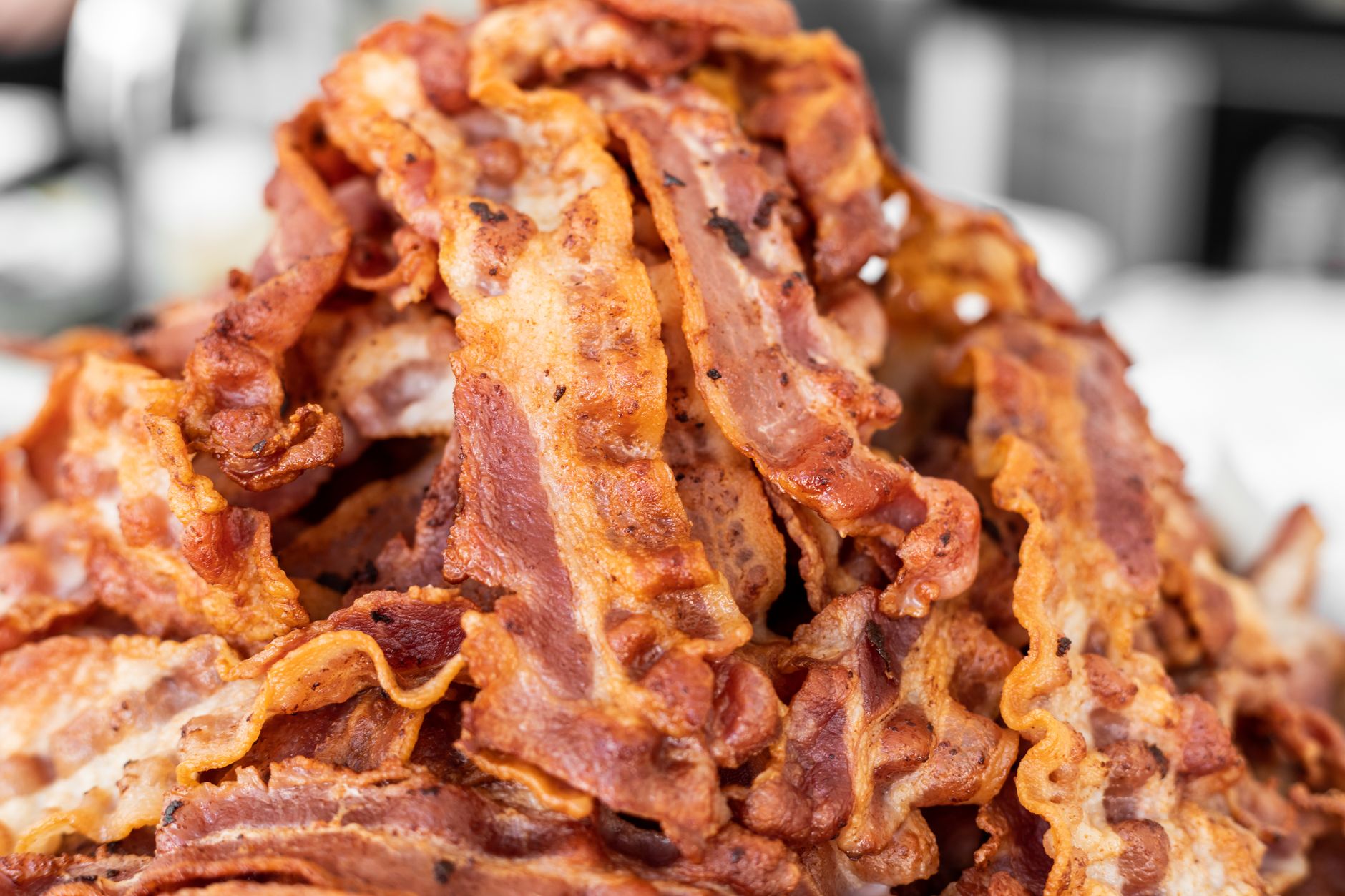
Bacon is a beloved breakfast staple that many people enjoy for its savory flavor and crispy texture. However, if you’re watching your calorie intake, you may be wondering how many calories are in a strip of bacon. Understanding the caloric content of bacon can help you make informed dietary choices and enjoy this delicious ingredient in moderation.
In this article, we will explore the caloric content of bacon, the different types of bacon available, and how to incorporate it into your meals while keeping nutritional balance in mind.
How Many Calories Are in a Strip of Bacon?
On average, a standard strip of cooked bacon contains about 42 to 45 calories. The caloric content can vary based on the thickness of the bacon slice and the cooking method used. Understanding these variations helps manage calorie intake while still enjoying bacon in your dishes.
Understanding Bacon Types and Their Caloric Content
Bacon comes in various types, each with different flavors, textures, and caloric values. The most common types include:
- Pork Belly Bacon: Traditional bacon made from pork belly, high in fat.
- Turkey Bacon: A leaner alternative, made from turkey meat, generally lower in calories.
- Beef Bacon: A variation made from beef, usually thicker and more flavorful.
- Canadian Bacon: Essentially a type of back bacon, leaner than traditional pork bacon.
Pork Belly Bacon
Standard pork belly bacon is the most well-known type. A slice typically contains 42-45 calories with about 3 grams of fat. Cooking methods such as frying or baking can slightly increase the calorie count based on any added oils or fats.
Turkey Bacon
Turkey bacon provides a substitute for those aiming to reduce fat and calories. A slice generally has about 30-35 calories, with lower fat content. Turkey bacon is often processed and seasoned to replicate traditional bacon flavor, making it a popular choice for calorie-conscious consumers.
Beef Bacon
Beef bacon offers a rich flavor profile and is thicker than its pork counterpart. It contains about 80 calories per slice, primarily due to its higher fat content. It’s worth noting that beef bacon may not be as widely available in all regions.
Canadian Bacon
Canadian bacon is more akin to ham and can be a lower-calorie option, containing about 50 calories per slice. It is leaner and offers a different taste, making it ideal for certain recipes.
Cooking Methods and Their Impact on Caloric Content
The method used to cook bacon can significantly affect its caloric content. Here’s a breakdown of common cooking techniques:
- Frying: Cooking in a pan typically renders a lot of the fat, which can increase the calorie count if additional oil is added.
- Baking: An effective method that allows excess fat to drain off, usually resulting in a slightly lower calorie amount compared to frying.
- Microwaving: A quick way to cook bacon that can also help reduce fat due to the draining method.
- Grilling: Produces crisp bacon while allowing fat to drip away. It can be a healthier cooking technique.
How to Include Bacon in a Balanced Diet
Incorporating bacon into a balanced diet is possible with intentional choices. Here are some practical tips:
- Portion Control: Stick to one or two slices of bacon when adding it to meals to manage calorie intake.
- Pairing with Vegetables: Create a balanced dish by pairing bacon with nutrient-dense vegetables, such as spinach, kale, or tomatoes.
- Use as a Flavor Enhancer: Instead of making bacon the star of the dish, use it as a flavoring agent in salads or soups.
- Consider Alternatives: Try turkey or Canadian bacon as healthier substitutes while still enjoying a bacon flavor.
Common Mistakes When Cooking and Eating Bacon
While bacon can be a delightful addition to meals, there are common pitfalls to avoid:
- Overcooking: Cooked bacon should be crispy but not burnt. Overcooking can lead to undesirable flavors and textures.
- Fat Content Ignorance: Be aware of the additional fat added during cooking. Excessive use of oil or butter can raise the calorie count significantly.
- Unused Rendered Fat: Consider using the rendered fat to cook other ingredients to enhance flavor without adding separate oils.
Storing and Reheating Bacon
Proper storage and reheating techniques can help maintain the flavor and texture of cooked bacon:
- Storage: Cooked bacon can be stored in an airtight container in the refrigerator for 4 to 5 days.
- Freezing: For longer storage, freeze cooked bacon between sheets of parchment paper in an airtight bag for up to a month.
- Reheating: Reheat bacon in the microwave for 30 seconds to 1 minute or use an oven at 350°F until warmed through.
Nutritional Considerations
Aside from calories, it’s crucial to understand other nutritional components of bacon:
- Protein Content: Bacon is a source of protein, offering about 3-4 grams per slice, depending on the type.
- Sodium Levels: Bacon can be high in sodium, often containing over 150 milligrams per slice, contributing to higher blood pressure.
- Fat Types: Includes both saturated and unsaturated fats. Choosing leaner cuts can help manage saturated fat intake.
Creative Ways to Use Bacon
Bacon can elevate a variety of dishes beyond breakfast. Here are some creative ideas for utilizing this flavor-packed ingredient:
- Bacon-Wrapped Vegetables: Wrap asparagus or jalapeño poppers with bacon for an appetizer.
- Bacon in Salads: Sprinkle crispy bacon bits over salads for added crunch and flavor.
- Bacon in Soups: Use cooked bacon in soups such as potato or corn chowder for a smoky undertone.
- Bacon in Desserts: Incorporate bacon into sweet recipes, like chocolate-covered bacon or as a topping for caramel desserts.
Bacon in Meal Preparation
Integrating bacon thoughtfully into meal prep can enhance a week’s worth of meals:
- Batch Cooking: Prepare a larger quantity of bacon on the weekend for use throughout the week in various dishes.
- Mixing it Up: Vary the type of bacon used throughout the week to keep flavors fresh and interesting.
- Freezing for Convenience: Freeze bacon bits to easily add to dishes as needed for quick meals.
By understanding the caloric content of bacon, you can determine how best to integrate it into your meals. Its versatility allows it to complement countless dishes while keeping mindful of nutrition.
For those looking for unique bacon recipes, consider trying a candied bacon or a rich million-dollar bacon. Explore these delicious options to elevate your bacon experience even further!