
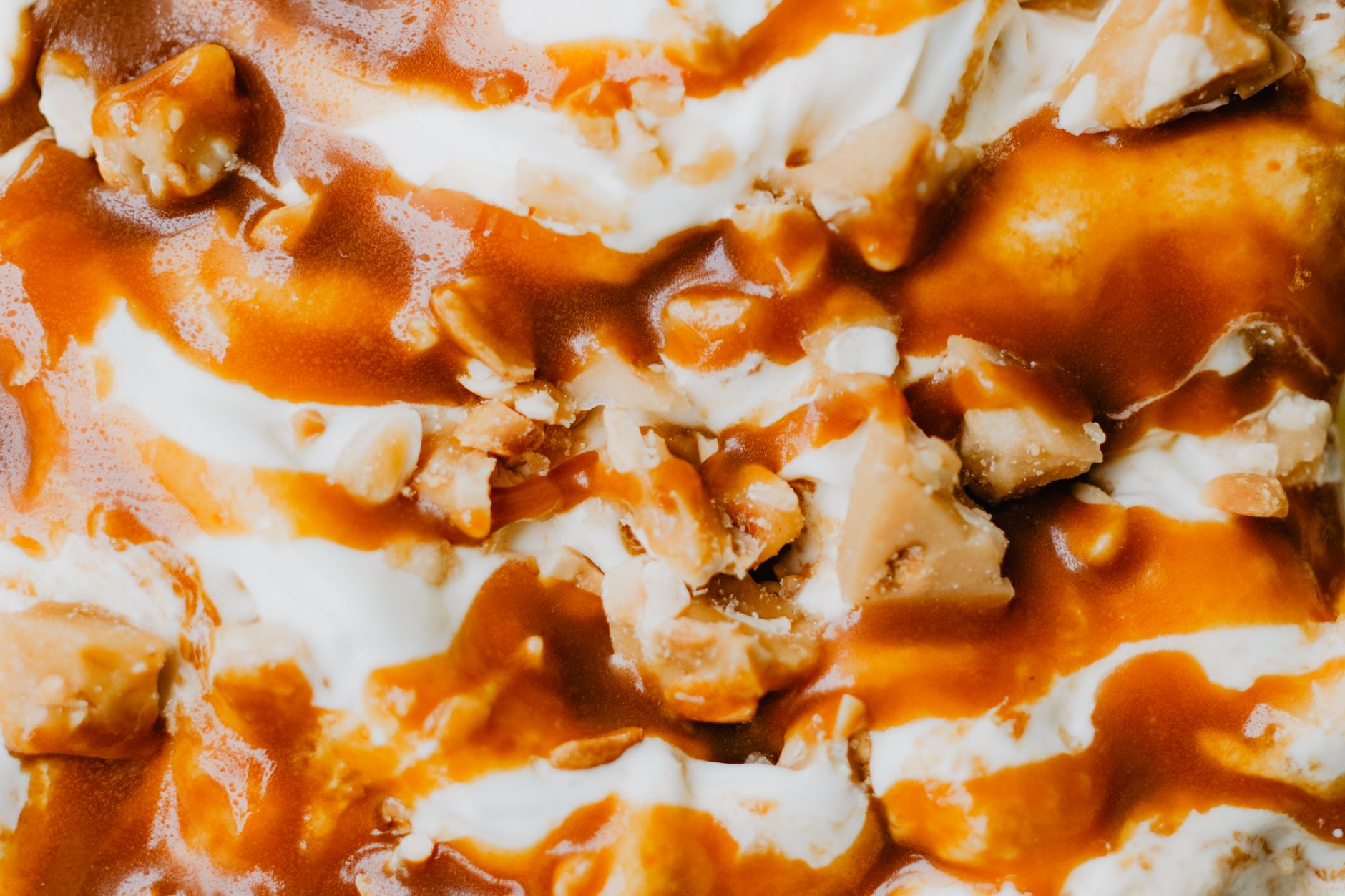
Brown butter, also known as beurre noisette, is a cooking fat that elevates dishes with its distinctive flavor and aroma. This simple ingredient transforms the ordinary into the extraordinary, offering a nutty richness that can enhance both savory and sweet applications. Understanding brown butter’s unique taste profile can open up a world of culinary possibilities.
In this article, we will explore what brown butter tastes like, its texture, and how it can be used effectively in various dishes. We will also cover the process of making brown butter, common uses, possible substitutions, and much more.
What Does Brown Butter Taste Like?
Brown butter has a rich, nutty flavor with hints of caramel and sweetness. The toasting of the milk solids during the browning process produces a complex depth that adds both savoriness and warmth to dishes. Its aroma is similarly delightful, revealing a balance of sweet and savory notes that can transform any meal.
With a thick, smooth texture, brown butter provides a luscious mouthfeel, enhancing the overall culinary experience. This makes it a popular choice among chefs and home cooks alike, as it complements a variety of ingredients and flavors.
How to Make Brown Butter
Making brown butter is a straightforward process, but attention and care are crucial to avoid burning it. The following steps will guide you through this simple cooking technique:
Essential Ingredients
- Unsalted butter (preferably high-quality), 1 cup (2 sticks)
Equipment Needed
- Light-colored saucepan or skillet (for better visibility)
- Wooden spoon or spatula
- Heat-resistant container for storage
Steps to Prepare Brown Butter
- Place the butter in a light-colored saucepan or skillet over medium heat.
- Allow the butter to melt completely, stirring frequently to ensure even heating.
- Once melted, the butter will begin to foam. Continue stirring as the foam subsides and the milk solids sink to the bottom.
- Keep an eye on the butter as it proceeds to brown. It will develop a golden color and emit a nutty aroma.
- Watch closely; once the milk solids turn golden brown and fragrant, remove the saucepan from the heat to prevent burning.
- Transfer the brown butter to a heat-resistant container to halt the cooking process and cool it down.
Brown butter can be stored in the refrigerator for up to two weeks or frozen for longer shelf life. When cooled, it will solidify and can be easily measured for use in recipes.
Common Uses of Brown Butter
Brown butter can enhance a range of dishes. Here are some popular uses:
Desserts
Brown butter adds depth to various desserts, including:
- Cookies: Brown butter cookies are beloved for their rich flavor, elevating the standard chocolate chip or oat cookie.
- Cakes: Incorporating brown butter into cake batters creates a moist and flavorful cake, such as a vanilla or spice cake.
- Brownies: Adding brown butter to brownie recipes imparts a unique flavor that distinguishes them from traditional versions.
Pasta Dishes
In savory applications, brown butter shines in pasta dishes:
- Simple Sauces: Toss cooked pasta with brown butter, garlic, and herbs for a quick and delightful meal.
- Ravioli: Drizzle brown butter over ravioli to enhance the dish’s flavor profile.
Vegetable Preparations
Brown butter can elevate roasted or sautéed vegetables:
- Brussels Sprouts: Sauté Brussels sprouts in brown butter for a delicious side dish.
- Squash: Use brown butter with roasted squash for an added layer of flavor.
Seafood
Brown butter pairs well with seafood, particularly
- Fish: Drizzle over grilled or pan-seared fish for a nutty boost.
- Shellfish: Brown butter can be used in lobster or scallop preparations to complement their natural sweetness.
Practical Tips for Using Brown Butter
Here are some helpful tips for working with brown butter:
Common Mistakes to Avoid
- Burning the Butter: Stir constantly, as the milk solids can quickly go from golden to burnt.
- Not Tasting: Always taste your brown butter for balance; if too strong or bitter, it may have overcooked.
Creative Flavor Combinations
Brown butter can be paired with various flavors for unique taste combinations. Here are some suggestions:
- Salt: A little flaky sea salt sprinkled on finished dishes can elevate the flavor.
- Spices: Cinnamon or nutmeg can enhance desserts, while sage works wonderfully in savory meals.
Make-Ahead Guidance
Brown butter can be made ahead and stored, making it convenient for meal prep. Consider setting aside some brown butter in small containers for use throughout the week, whether it’s for baking or sautéing vegetables.
How Brown Butter Affects Recipes
Substituting brown butter in recipes can yield notable differences in flavor and texture:
Substitutions and Variations
- Using Brown Butter Instead of Regular Butter: For most recipes, brown butter can replace regular butter at a 1:1 ratio. Expect richer and nuttier flavors.
- Combining with Oils: Mixing brown butter with olive oil adds complexity to dressings and sauces, blending nutty and fruity notes.
How to Store Brown Butter
Storing brown butter properly ensures its freshness:
- Refrigeration: Keep brown butter in an airtight container in the fridge for up to two weeks.
- Freezing: For longer storage, brown butter can be frozen for up to three months. Portion it out in ice cube trays for easy measurement later.
Exploring the World of Brown Butter
Globally, brown butter appears in various cuisines:
French Cuisine
In French cooking, brown butter is integral to many sauces, offering depth and body to dishes. It is often showcased in delights such as brown butter sauce for fish or magnificent pastries.
Italian Cuisine
In Italy, brown butter is used in dishes like “Burro e Salvia,” where it is combined with sage to create a flavorful sauce that coats pasta. The combination brings comfort and depth.
Modern Culinary Trends
Recently, brown butter has seen increased popularity in contemporary cooking, where chefs experiment with its flavorful profile across a range of cuisines. Expect to find it in artisanal ice creams, gourmet popcorn, and even savory dips.
Conclusion
Brown butter is more than just a cooking fat; it is a culinary tool that adds depth to both sweet and savory dishes. With its rich nutty flavor, it elevates the taste experience while enhancing the texture of various recipes. By understanding how to make, store, and use brown butter effectively, cooks can transform simple dishes into extraordinary culinary delights.
For those looking to explore or learn more, consider checking out our guides on clarified butter and caramel icing. Each offers insights into using these essential ingredients in your cooking adventures.