
There’s something almost magical about watching butter and sugar transform into silky caramel icing, especially when that first spoonful hits your tongue with pure sweet bliss. Caramel icing is the kind of frosting that makes people stop mid-bite and ask what you did differently, because it tastes like you’ve unlocked some secret bakery formula.
This recipe delivers rich, buttery caramel flavor without the fuss of candy thermometers or scary sugar work. It spreads like a dream, sets to the perfect consistency, and works beautifully on cakes, cupcakes, and brownies alike.
Whether you’re frosting a layer cake for a special occasion or simply want to elevate your baking game, this homemade caramel icing is the answer. Let’s get started.
Why You’ll Love This Recipe
This icing checks every box for a crowd-pleasing frosting. It’s smooth, spreadable, and packed with genuine caramel flavor that tastes nothing like artificial extracts.
- Rich, buttery caramel taste from brown sugar and butter
- Silky texture that spreads beautifully without cracking
- Ready in under 15 minutes from start to finish
- Works on any cake, cupcake, or dessert
- Stores well and doesn’t require refrigeration if kept cool
My Experience Making This Recipe
I first made caramel icing years ago when I wanted something more interesting than standard vanilla frosting for my daughter’s birthday cake. The moment I melted that butter and brown sugar together, my kitchen smelled like a candy shop, and I knew I’d found something special.
What surprised me most was how forgiving this recipe is. Unlike finicky buttercreams that break if you sneeze near them, this icing stayed silky and smooth even when I made small adjustments to timing and temperature.
Now I make it for everything, and guests consistently ask for the recipe. The fact that it tastes homemade, authentic, and genuinely delicious makes all the difference.
Recipe Overview
- Recipe Name: Caramel Icing
- Servings: Makes enough for one 8-inch two-layer cake or 24 cupcakes
- Prep Time: 5 minutes
- Cook Time: 8 minutes
- Total Time: 13 minutes
- Course: Dessert, Frosting
- Cuisine: American
- Calories per Serving: 120 calories per 2-tablespoon serving
Equipment You Will Need
- Medium saucepan
- Wooden spoon or silicone spatula
- Electric mixer or hand mixer
- Large mixing bowl
- Measuring cups and spoons
- Thermometer (optional but helpful)
- Offset spatula for spreading
Ingredients for Caramel Icing
- 6 tablespoons unsalted butter
- 1 cup packed brown sugar
- 1/4 cup heavy cream or whole milk
- 1/4 teaspoon sea salt
- 1 teaspoon vanilla extract
- 2 to 3 cups powdered sugar
Ingredient Notes and Substitutions
- Brown sugar gives this icing its distinctive caramel depth and sweetness. If you only have white sugar, use it in equal parts, but expect less caramel flavor and more neutral sweetness.
- Heavy cream creates the silky texture that makes this frosting spreadable and luxurious. Whole milk works as a substitute but produces a slightly thinner icing that may need more powdered sugar to thicken.
- Unsalted butter allows you to control the salt level in the final icing. Salted butter is fine if you reduce or omit the added salt, but unsalted gives you more flexibility.
- Sea salt balances the sweetness and enhances caramel notes. Table salt works, but sea salt has a cleaner flavor profile.
- Powdered sugar thickens the icing and creates the right consistency for spreading. Sifted powdered sugar blends in more smoothly without lumps.
How to Make Caramel Icing
Step 1: Melt the Butter
Place 6 tablespoons of unsalted butter in a medium saucepan over medium heat. Let it melt completely, stirring occasionally, which takes about 2 minutes. Melting the butter separately allows you to control the heat and prevent the brown sugar from burning.
Step 2: Add the Brown Sugar
Pour 1 cup of packed brown sugar into the melted butter and stir constantly for about 3 minutes. The mixture will become bubbly and smell incredible as the sugars caramelize slightly. This gentle cooking develops the caramel flavor without burning it.
Step 3: Remove from Heat
Take the saucepan off the heat immediately after the brown sugar dissolves. Leaving it on heat any longer risks burning the mixture, which creates a bitter taste instead of that smooth caramel sweetness.
Step 4: Cool Slightly
Let the caramel mixture cool for 2 to 3 minutes until it’s warm but not piping hot. This prevents the mixture from cooking the eggs in buttercream (if you were making that instead) and helps the powdered sugar incorporate smoothly without melting.
Step 5: Add the Cream and Salt
Stir in 1/4 cup of heavy cream and 1/4 teaspoon of sea salt carefully, as the mixture may bubble up slightly. The cream transforms the thick caramel into a pourable consistency and the salt balances the sweetness perfectly.
Step 6: Add Vanilla Extract
Pour in 1 teaspoon of vanilla extract and stir until fully combined. Vanilla adds depth and prevents the icing from tasting one-dimensional.
Step 7: Transfer to Mixing Bowl
Pour the caramel mixture into a large mixing bowl and let it cool to room temperature, about 5 minutes. If you try to add powdered sugar while the mixture is hot, it will become grainy and thin.
Step 8: Beat in Powdered Sugar
Using an electric mixer on low speed, gradually add 2 to 3 cups of powdered sugar, one cup at a time. Beat until the icing reaches spreadable consistency, which should take about 2 minutes total. Start with 2 cups and add more if the icing feels too soft or thin.
Pro Tip: Don’t overmix once you’ve added all the powdered sugar, or you’ll incorporate too much air and the icing may become grainy or separate.
Tips for the Best Caramel Icing
- Sift your powdered sugar before adding it to avoid lumps that refuse to blend smoothly into the caramel base.
- Use a candy thermometer if you want to nail the exact caramel stage; aim for 240 degrees Fahrenheit for the most balanced flavor.
- If your icing becomes too thick, whisk in a teaspoon of cream at a time until you reach the right consistency.
- Keep the icing at room temperature while frosting your cake, as cold icing becomes stiff and difficult to spread.
- Make this icing last, right before you plan to frost, so it stays at its silkiest texture.
- If you’re frosting multiple layers, place a cardboard cake round between each layer to prevent the heavy icing from crushing the cake.
Common Mistakes to Avoid
- Cooking the brown sugar and butter for too long creates a burnt, bitter taste instead of sweet caramel. Watch the mixture closely and remove it from heat the moment the sugar dissolves completely.
- Adding cold cream to hot caramel can cause sputtering and uneven cooling. Let the mixture cool slightly for a safer, smoother process.
- Skipping the salt leaves the icing one-dimensional and overly sweet. Even 1/4 teaspoon makes a dramatic difference in depth.
- Adding all the powdered sugar at once creates lumps and requires excessive beating, which adds air and can break the icing texture.
- Frosting with cold icing results in torn cake layers and streaky appearance. Bring the icing to room temperature first.
Serving Suggestions
This icing shines on nearly any cake or dessert, but certain pairings amplify its magic. Think warm spice cakes, apple-based desserts, or rich chocolate layers that play beautifully against the caramel sweetness.
- Spread generously between layers of a classic butter cake for pure, simple elegance
- Top chocolate layer cakes for a contrast of deep cocoa and buttery caramel
- Use on apple spice cupcakes for a warm, comforting flavor combination
- Frost brownies for an indulgent finish that feels special and homemade
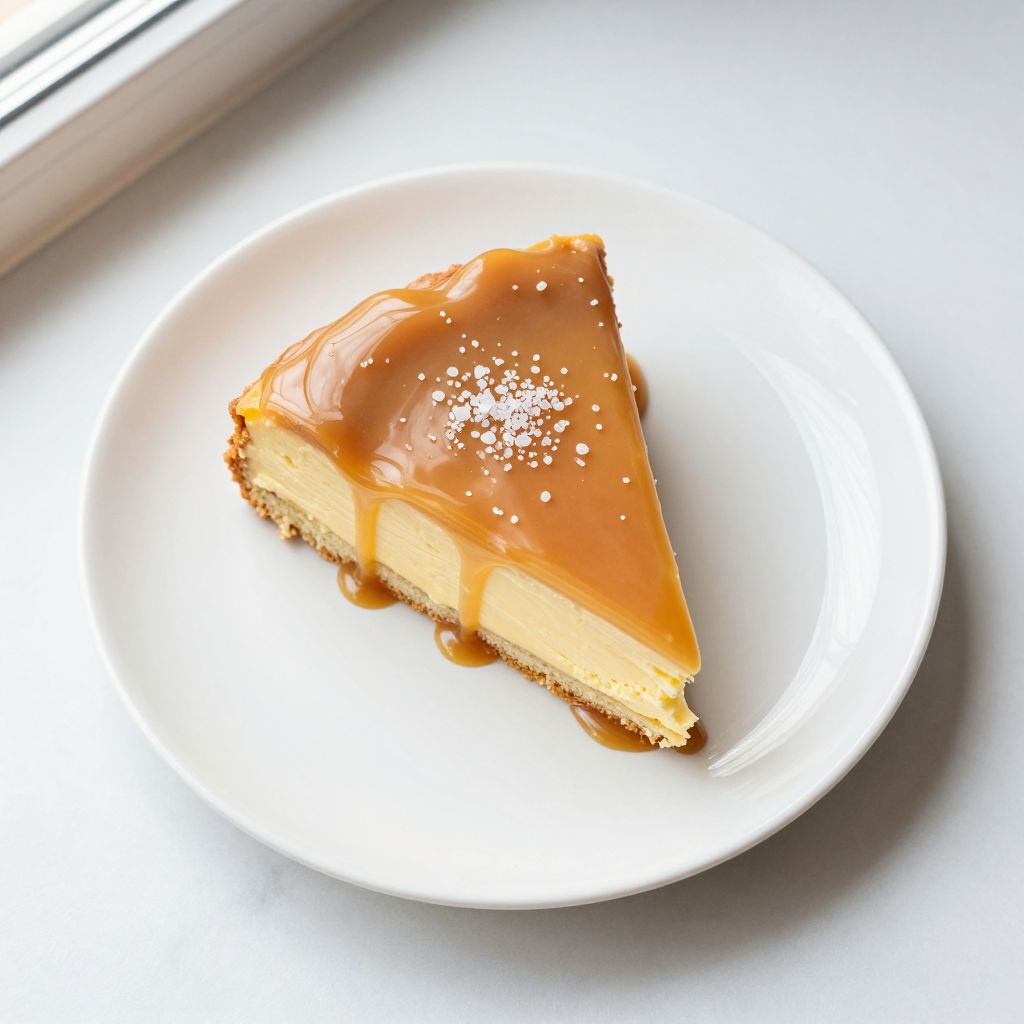
- Pipe onto cheesecake for a sweet topping that adds visual interest and flavor
Variations to Try
- Salted Caramel Icing: Increase the sea salt to 1/2 teaspoon for a pronounced salty-sweet contrast that has become wildly popular for good reason.
- Bourbon Caramel Icing: Replace the vanilla with 1 tablespoon of bourbon or whiskey for a sophisticated adult version that pairs beautifully with chocolate cakes.
- Brown Butter Caramel: Brown the butter first in the saucepan until it smells nutty before adding the brown sugar, which deepens the overall complexity.
- Cream Cheese Caramel: Swap 2 tablespoons of the powdered sugar for softened cream cheese to create a tangier, richer icing with less sweetness.
- Espresso Caramel Icing: Add 1 teaspoon of instant espresso powder dissolved in the cream for a mocha twist that pairs perfectly with chocolate cakes.
Dietary Adaptations
- Dairy-Free: Replace butter with dairy-free butter and heavy cream with full-fat coconut cream in equal amounts. The flavor stays true, though the texture may be slightly softer.
- Vegan: Use vegan butter and full-fat coconut milk instead of heavy cream, then beat in powdered sugar as directed. The icing will work well, though it may not be quite as silky.
- Gluten-Free: This icing is naturally gluten-free since it contains no flour or grain products.
- Low-Carb/Keto: Substitute brown sugar with monk fruit sweetener or erythritol and use allulose in place of powdered sugar for a low-carb version. The texture may differ slightly, so expect a softer consistency.
Storage and Reheating
Refrigerator
Store caramel icing in an airtight container for up to one week. The icing will firm up significantly when chilled.
- Let it come to room temperature before using, which takes about 30 minutes
- Stir gently to restore smoothness, adding a teaspoon of cream if needed
Freezer
Caramel icing freezes well for up to three months in an airtight container. Thaw it in the refrigerator overnight, then bring to room temperature before spreading.
- Portion the icing into ice cube trays for easy thawing of smaller amounts
- The texture may be slightly grainy after freezing, so whisk gently to restore smoothness
Reheating
If the icing becomes too thick or separated, warm it gently on the stovetop or in the microwave. Add small amounts of cream while stirring to reach the right consistency.
- Heat for 10 to 15 seconds at a time in the microwave, stirring between intervals
- Never overheat, as the texture can become grainy or separated
Nutrition Information
| Nutrient | Amount |
|---|---|
| Calories | 120 |
| Total Fat | 4g |
| Saturated Fat | 2.5g |
| Carbohydrates | 21g |
| Fiber | 0g |
| Sugar | 20g |
| Protein | 0g |
| Sodium | 45mg |
| Cholesterol | 12mg |
Nutrition values are approximate and based on a 2-tablespoon serving size. Actual nutrition varies based on specific ingredients and preparation method used.
Frequently Asked Questions
Can I make this icing ahead of time?
Yes, absolutely. Make the icing up to two days before frosting your cake, then store it in an airtight container at room temperature or in the refrigerator. Bring it to room temperature and stir gently before using.
Why is my caramel icing grainy?
Graininess usually happens when powdered sugar is added while the caramel mixture is too hot or when you overmix after adding the sugar. Always cool the caramel to room temperature first, and mix on low speed only until combined.
What if my icing is too thin?
Add more powdered sugar, one tablespoon at a time, beating gently until you reach the desired consistency. If it becomes too thick later, thin it with a small amount of heavy cream.
Can I use salted butter instead of unsalted?
Yes, but reduce or omit the added sea salt to prevent the icing from becoming too salty. Taste as you go and adjust the salt level to your preference.
Does this icing work for piping?
This icing is softer than Swiss or Italian meringue buttercream, so piping borders or intricate designs is difficult. It works beautifully for spreading, swirls with a spatula, or dollops on cupcakes.
How long does caramel icing stay fresh on a frosted cake?
A frosted cake stays fresh at room temperature for two to three days covered with a cake dome or in an airtight container. Refrigerate for up to five days if your kitchen is warm.
Final Thoughts
This caramel icing recipe proves that some of the best flavors come from simple ingredients and minimal fuss. Once you master the basic technique, you’ll find yourself reaching for it again and again.
The next time you want to impress someone with homemade baked goods, reach for this icing and watch their face light up at that first bite. Happy baking!
If you’re looking for more delicious frosting and topping ideas, check out our caramel apple dip recipe for another way to showcase caramel flavors, or explore our German chocolate frosting recipe for another crowd-pleasing frosting option that brings classic flavors to your dessert table.
Caramel Icing
Ingredients
Equipment
Method
- Place 6 tablespoons of unsalted butter in a medium saucepan over medium heat and melt for about 2 minutes, stirring occasionally.
- Add 1 cup of packed brown sugar to the melted butter and stir constantly for about 3 minutes until bubbly and the sugar dissolves.
- Remove the saucepan from heat immediately after the brown sugar dissolves to prevent burning.
- Allow the caramel mixture to cool for 2 to 3 minutes until warm but not hot.
- Stir in 1/4 cup of heavy cream and 1/4 teaspoon of sea salt, mixing until smooth.
- Stir in 1 teaspoon of vanilla extract until fully combined.
- Pour the caramel into a large mixing bowl and let cool to room temperature, about 5 minutes.
- Using an electric mixer on low speed, gradually beat in 2 to 3 cups of powdered sugar, one cup at a time, until the icing is spreadable, about 2 minutes.