
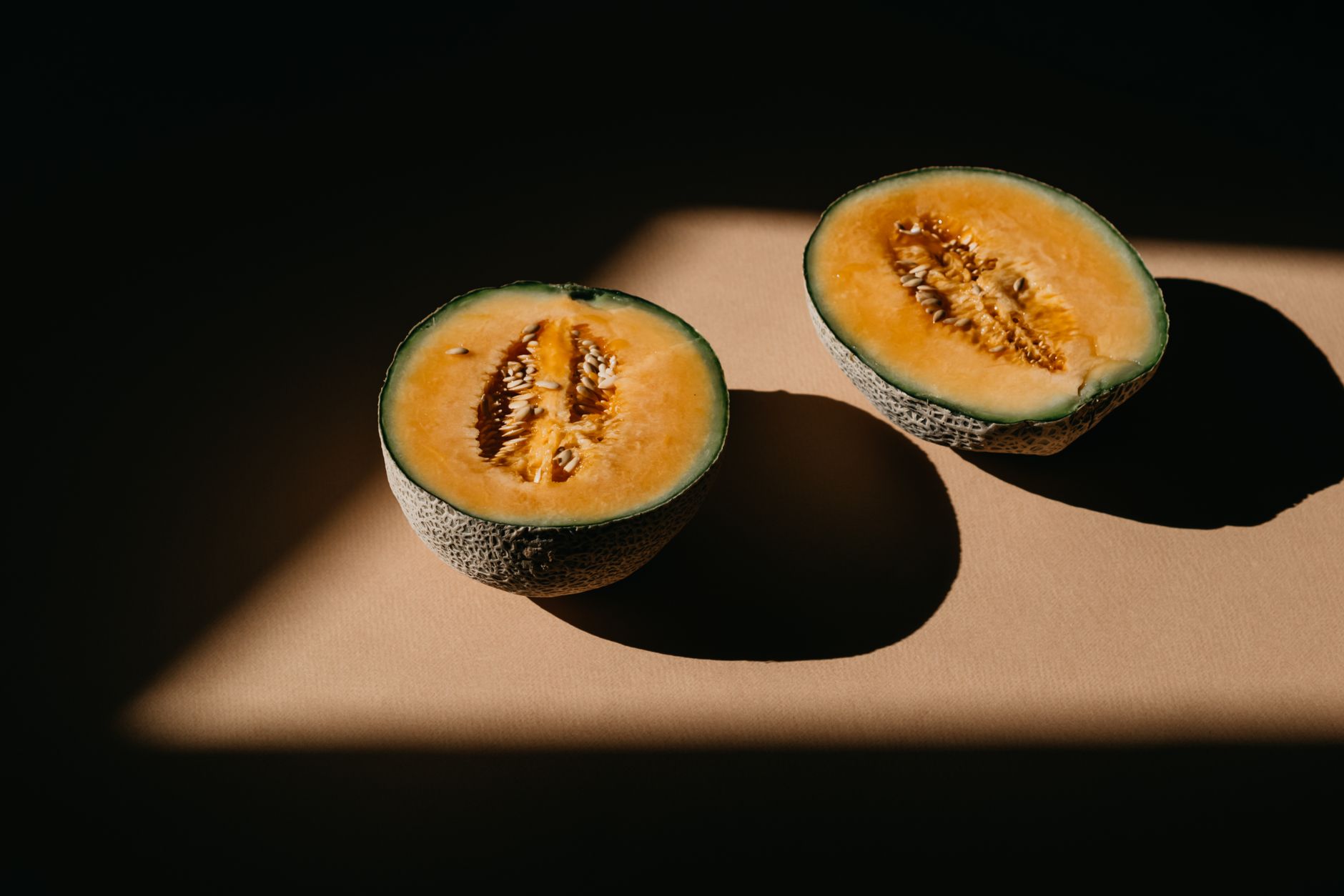
Cantaloupe is a refreshing and nutritious fruit enjoyed in various culinary applications. Known for its sweet, juicy flesh and vibrant orange color, this summer staple is not only delicious but also low in calories, making it an excellent choice for weight management and healthy snacking. In this article, we’ll delve into how many calories are in a cup of cantaloupe, its nutritional benefits, and how to incorporate it into your meals.
At only about 50 calories per cup, cantaloupe is a guilt-free treat packed with vitamins, hydration, and fiber. It is a versatile fruit that can stand alone as a snack, be part of a fruit salad, or even be used in smoothies, salsas, and savory dishes. Understanding its caloric content allows for better meal planning and healthier dietary choices.
How Many Calories in a Cup of Cantaloupe?
A cup of diced cantaloupe contains approximately 53 calories. This low-calorie count makes cantaloupe an excellent addition to many diets, especially for those looking to control their caloric intake without sacrificing flavor and satisfaction.
Nutritional Breakdown of Cantaloupe
In addition to its caloric content, cantaloupe is rich in several essential nutrients. Here’s a closer look at some of its key nutritional components:
- Carbohydrates: A cup of cantaloupe has about 13 grams of carbohydrates, mainly from natural sugars, which provide a quick source of energy.
- Fiber: Each serving contains about 1.4 grams of dietary fiber, which aids in digestion and promotes a feeling of fullness.
- Vitamins: Cantaloupe is an excellent source of vitamin A (as beta-carotene) and vitamin C, both important for immune function and skin health.
- Minerals: It also contains potassium, which is essential for heart health and fluid balance.
Health Benefits of Cantaloupe
Incorporating cantaloupe into your diet offers numerous health benefits:
- Hydration: Cantaloupe is composed of about 90% water, making it a great choice for hydration, especially in warm weather.
- Low-Calorie Snack: Its low-calorie content makes it a perfect snack for weight management, allowing you to enjoy sweet flavors without excess calories.
- Rich in Antioxidants: The antioxidants in cantaloupe, such as beta-carotene and vitamin C, help protect your cells from oxidative stress.
- Eye Health: The carotenoids in cantaloupe may support eye health and reduce the risk of age-related vision problems.
How to Select and Store Cantaloupe
To appreciate cantaloupe’s flavor and texture fully, selecting the right melon is crucial. Here’s what to look for:
- Color: Choose cantaloupes with a uniform, golden or tan skin color. The netting on the surface should be pronounced and well-defined.
- Shape: Select melons that are symmetrical and have a slight give when pressed at the stem end.
- Aroma: A ripe cantaloupe should have a sweet, fruity aroma, particularly at the stem end.
Storage Tips
You can store whole cantaloupes at room temperature for a few days until they ripen. Once cut, it’s vital to store the cantaloupe in the refrigerator to maintain its freshness:
- Cover any unused portion with plastic wrap or place it in an airtight container.
- Cut cantaloupe should be consumed within 3 to 5 days for optimal freshness and taste.
Cantaloupe in Your Diet
Cantaloupe can be enjoyed in various ways. Here are some creative uses to incorporate it into your meals:
Breakfast Ideas
- Fruit Salad: Combine diced cantaloupe with other fruits like berries, kiwi, and bananas, drizzled with a little honey or lime juice.
- Smoothie: Blend cantaloupe with yogurt, spinach, and a splash of orange juice for a refreshing morning drink.
Lunch Options
- Cantaloupe Salad: Toss diced cantaloupe with mixed greens, feta cheese, walnuts, and a balsamic vinaigrette for a refreshing salad.
- Savory Cantaloupe Salsa: Chop cantaloupe and mix it with diced jalapeños, red onion, cilantro, and lime for a unique salsa to complement grilled fish or chicken.
Snacks and Desserts
- Cantaloupe Sorbet: Puree cantaloupe with a little lime juice and freeze for a light dessert.
- Kebabs: Skewer cantaloupe cubes with mozzarella balls and fresh basil for a tasty and visually appealing snack.
Common Mistakes When Preparing Cantaloupe
When working with cantaloupe, here are some common pitfalls to avoid:
- Letting It Ripen Too Long: Overripe cantaloupe can develop a mushy texture and unpleasant odor.
- Neglecting to Wash: Always rinse the rind before cutting to prevent any bacteria from transferring to the flesh.
- Storing Uncut Cantaloupe in the Fridge: It’s best to store whole cantaloupe at room temperature to allow it to ripen properly.
Caloric Considerations: Portion Control
When enjoying cantaloupe, portion sizes can make a difference in total caloric intake, especially if you are tracking your diet or managing caloric intake:
A cup of cantaloupe is around 53 calories, which is manageable in most diets. However, here are some tips for ensuring portion control:
- Use Measuring Tools: Measuring out servings can help you stay within your desired calorie range.
- Combine with Fiber and Protein: Pair cantaloupe with protein (like yogurt or nuts) to promote fullness and satisfaction.
- Visualize Portions: A tennis ball-sized portion is equivalent to about a cup, which can be a helpful visual cue.
Conclusion
Cantaloupe is a tasty and nutritious fruit, making it an excellent addition to a balanced diet. With just 53 calories per cup, it provides a wealth of health benefits without adding unnecessary calories. From energizing breakfasts to delightful desserts, cantaloupe can be enjoyed in a variety of ways that suit any taste. By selecting ripe cantaloupes and being mindful of portion sizes, you can enjoy this delicious fruit as part of your everyday meals.
For more delicious ideas, check out how to freeze watermelon or explore a creamy chia pudding recipe with coconut milk for a delightful twist on healthy desserts. With cantaloupe and these recipes, you’ll have plenty of ways to enjoy nutritious flavors!