
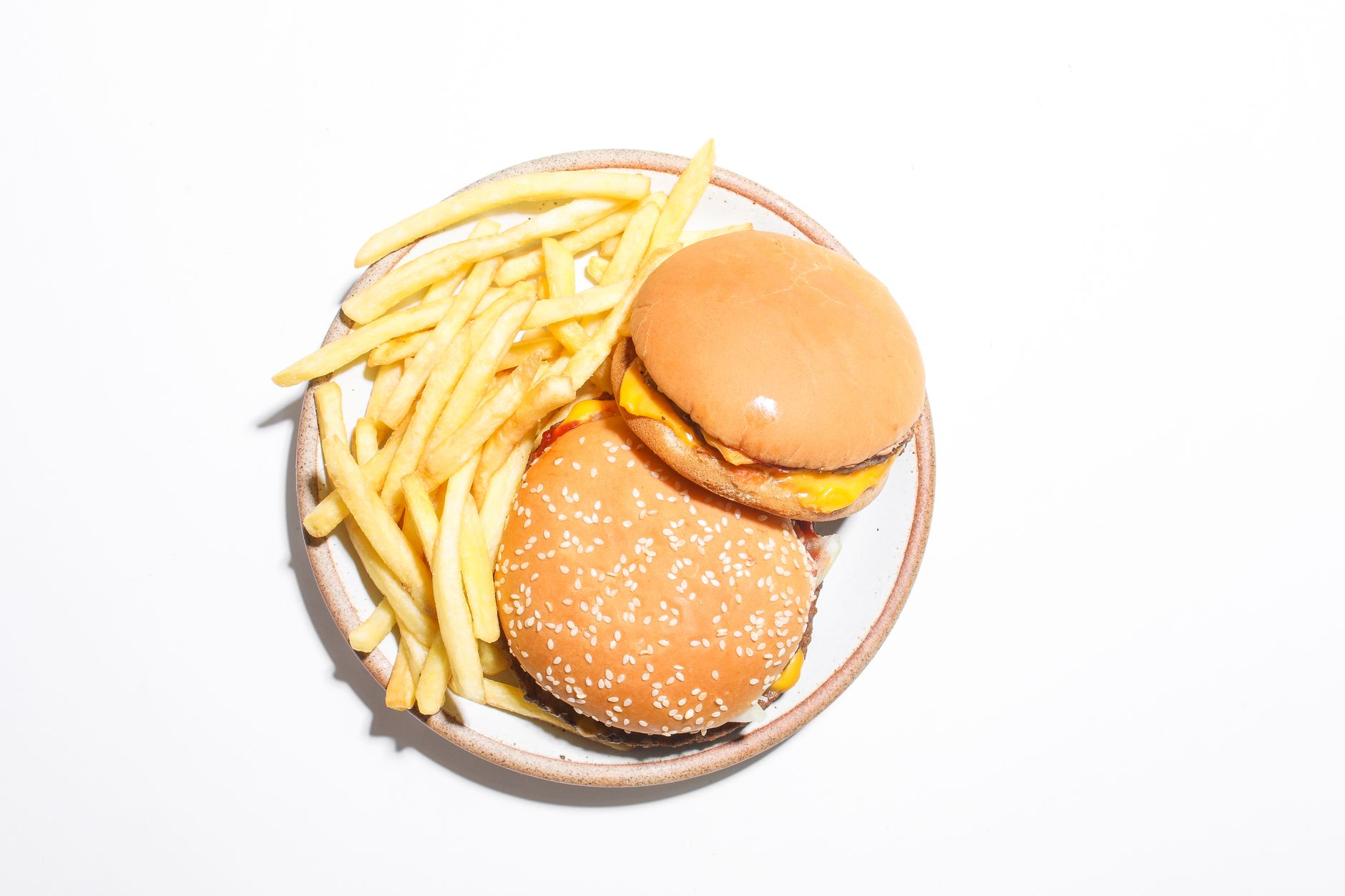
The question “Is McDonald’s meat human?” often arises from urban legends and misconceptions about fast food meat sources. In reality, McDonald’s meat comes from cattle, pigs, and chickens, not humans. This article dives into the sourcing of McDonald’s meat, its quality standards, and the various uses and serving ideas for their menu items.
Understanding the ingredients behind popular fast food items can help consumers make informed choices about their meals. By exploring the facts behind McDonald’s meat, we’ll uncover how these foods are prepared, their nutritional aspects, and brilliant ideas for serving them at home.
Is McDonald’s Meat Human?
To put it plainly, no, McDonald’s meat is not human. The meat used in McDonald’s products comes from cattle, chickens, and pigs, sourced from suppliers who adhere to strict food safety and quality standards. This section clarifies the types of meat used and dispels any myths about their origins.
Sources of McDonald’s Meat
McDonald’s sources its meat from various suppliers across the world, complying with local health regulations and agricultural practices. The main types of meat used include:
- Beef: Primarily used for hamburgers and beef patties, sourced from cattle.
- Poultry: Chicken is used extensively for items like McChicken sandwiches, Chicken McNuggets, and salads.
- Pork: Used for products such as breakfast sausage and bacon.
Quality Assurance
McDonald’s maintains stringent quality assurance protocols. They prioritize sourcing cattle raised in humane, sustainable environments. Some key points regarding their meat sourcing include:
- The beef is typically sourced from young cattle, ensuring a good balance of flavor and tenderness.
- All sourced poultry undergoes a rigorous verification process to guarantee wholesomeness and safety.
- As part of their commitment to animal welfare, McDonald’s has implemented various practices, including the adoption of standards set by third-party organizations.
Nutritional Aspects of McDonald’s Meat
Knowing the nutritional contents of the meat served at McDonald’s can contribute to healthier eating habits. Below is a general overview of the nutritional profiles of various McDonald’s meat products.
Beef
A standard hamburger patty typically contains:
- Calories: 250
- Protein: 12 grams
- Fat: 18 grams
- Carbohydrates: 0 grams
Chicken
A standard McChicken patty generally provides:
- Calories: 400
- Protein: 23 grams
- Fat: 22 grams
- Carbohydrates: 40 grams
Pork
The sausage patty from the breakfast menu typically has:
- Calories: 210
- Protein: 10 grams
- Fat: 18 grams
- Carbohydrates: 1 gram
Popular McDonald’s Menu Items and Serving Ideas
Now that we’ve covered the origin and nutritional aspects, let’s delve into some of the most popular menu items featuring McDonald’s meat and innovative serving ideas.
Burgers
McDonald’s signature burgers include the Big Mac, Quarter Pounder, and the classic cheeseburger.
Big Mac
The Big Mac consists of two beef patties, special sauce, lettuce, cheese, pickles, and onions on a sesame seed bun. To serve it at home:
- Prepare two beef patties, seasoning with salt and pepper.
- Assemble the sandwich with lettuce, special sauce (mix mayonnaise, ketchup, and relish), cheese, and pickles.
- Cut the burger in half for a better presentation and serve with fries.
Quarter Pounder
This burger is known for its thicker beef patty. To recreate it:
- Grill a seasoned quarter-pound beef patty.
- Add two slices of American cheese, onions, pickles, ketchup, and mustard before serving on a toasted bun.
Chicken Sandwiches
McDonald’s offers various chicken sandwiches and nuggets that can easily be replicated.
McChicken
To make a McChicken at home:
- Coat a chicken breast with breadcrumbs and seasonings, then fry until golden brown.
- Serve on a toasted bun with mayonnaise and shredded lettuce for an authentic touch.
Chicken McNuggets
For homemade nuggets, do the following:
- Cut chicken into nugget-sized pieces and re-season them.
- Dip each piece in egg wash then dredge in breadcrumbs.
- Fry or bake until crispy and serve with sauces.
Breakfast Items
Many McDonald’s fans love their breakfast selections, including sausage and egg McMuffins.
Sausage Egg McMuffin
To recreate this morning delight:
- Cook sausage patties until browned, and lightly toast English muffins.
- Cook eggs in a round ring for that signature shape, and top with a slice of cheese.
- Assemble the sandwich and serve hot.
Common Myths and Misconceptions
Misunderstandings about fast food meat are widespread. This section addresses common myths regarding McDonald’s meat.
Myth: McDonald’s Meat Is Not Real Meat
This myth often stems from low-quality images or misleading videos that circulate online. All the meat served is indeed real and sourced from certified producers.
Myth: Quality Is Compromised
Many believe fast food chains prioritize cost over quality, but McDonald’s sources comply with government standards to ensure food safety and quality.
Myth: Fast Food Is Unhealthy
While the nutritional quality can be lower than home-cooked meals, McDonald’s provides several healthier options, including salads and fruit sides.
Ingredient Substitutions and Variations
Incorporating personal touches or alternative ingredients in your homemade versions of McDonald’s favorites can enhance flavors. Here are some ingredient suggestions:
Beef Substitutions
- Ground turkey can be used as a leaner alternative to beef in burgers.
- Plant-based patties are a great option for vegetarians and can provide similar flavors with modified seasoning.
Chicken Substitutions
- For a healthier twist, consider using grilled chicken instead of fried.
- Chickpeas or black beans can be blended to form a vegetarian “chicken” nugget alternative.
Cheese Variations
- Opt for reduced-fat cheese options for a lighter sandwich.
- Replace standard cheese with pepper jack or gouda for a different flavor profile.
Food Handling and Storage Tips
To maintain food safety and quality when preparing your fast-food-inspired dishes, consider the following tips:
Storing Cooked Meat
- Always refrigerate leftovers within two hours after cooking.
- Store cooked beef, chicken, or pork in airtight containers to prevent spoilage.
- Consume leftovers within three to four days to ensure safety.
Reheating Tips
- Reheat meals to an internal temperature of 165°F (74°C) using a food thermometer to ensure safety.
- For bread products, use an oven or toaster oven to retain crispness rather than a microwave.
Concluding Thoughts
Understanding the source and preparation of McDonald’s meat can help dispel myths and encourage informed meal choices. Whether replicating your favorite McDonald’s items at home or exploring alternative ingredients, there are endless possibilities for creating delicious meals. So next time you’re in the kitchen, consider trying a homemade version of your fast-food favorites.
Explore a variety of related recipes and resources to enhance your cooking experience, such as understanding the differences between chicken bouillon and chicken broth or learning how long ground beef remains fresh in the fridge.