
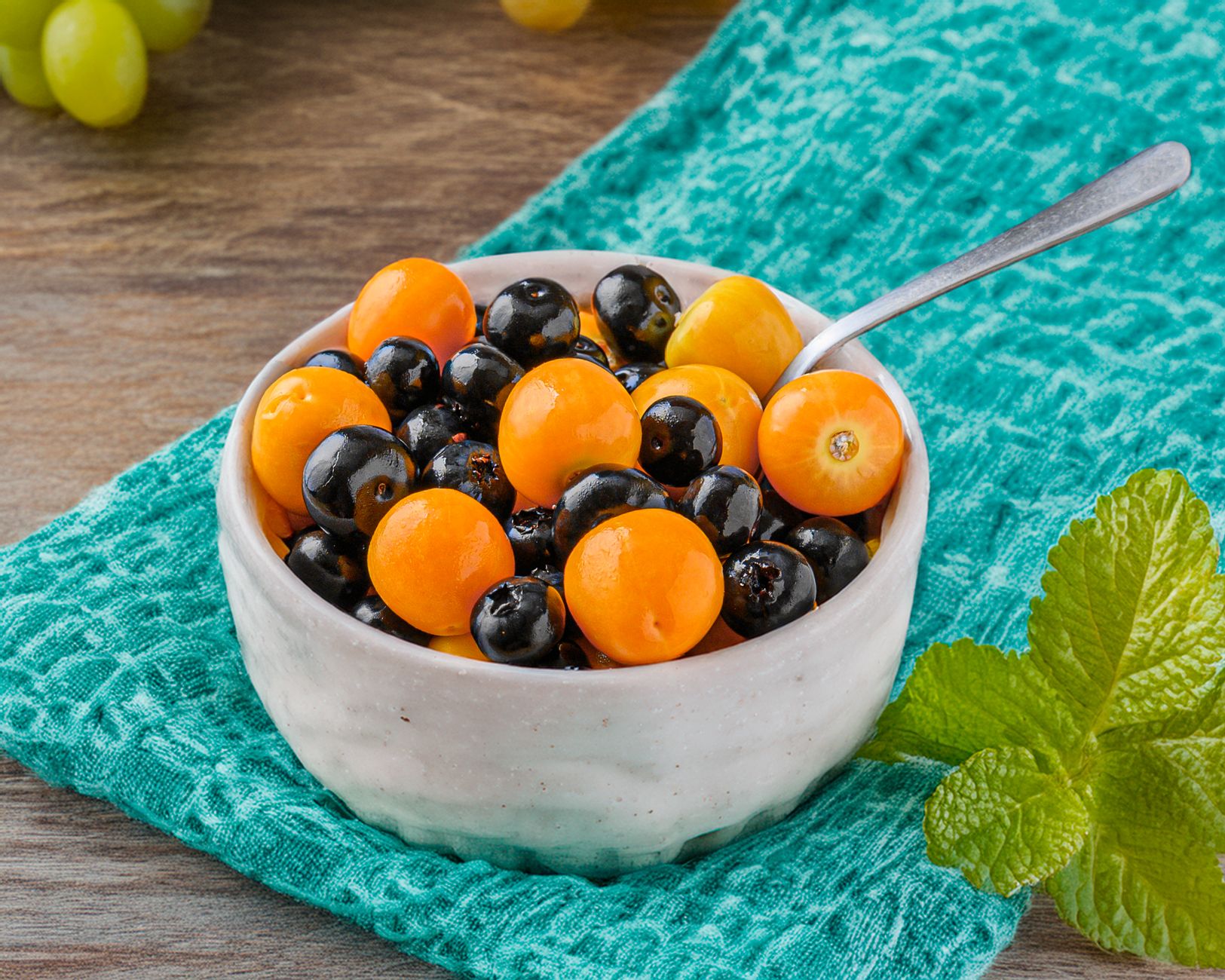
Golden berries, also known as cape gooseberries or Physalis peruviana, are a unique fruit that has captivated the palates of many food enthusiasts. This article explores the flavor, texture, culinary uses, and more, offering insights for anyone curious about incorporating golden berries into their meals.
Whether you’re considering trying them for the first time or looking to deepen your appreciation for this flavorful fruit, understanding what golden berries taste like will enhance your culinary experience.
What Do Golden Berries Taste Like?
Golden berries have a complex flavor profile that’s both sweet and tart, often compared to a mix of pineapple, tomato, and citrus. Their taste can vary depending on ripeness, with fully ripe golden berries being sweeter and a hint of acidity, while unripe ones lean more towards tartness.
Flavor Profile
The taste of golden berries can be described in several dimensions:
- Sweetness: Ripe golden berries have a notable sweetness, reminiscent of pineapple or citrus fruits.
- Tartness: They possess a tangy flavor that adds a refreshing quality, balancing the sweetness.
- Earthy Notes: Some describe a subtle earthiness, akin to tomatoes, that gives depth to their flavor.
- Aromatic Qualities: The aroma is floral and fruity, further enhancing their appeal.
Texture
Golden berries have a distinctive texture that complements their flavor:
- Skin: The skin is thin and slightly leathery but edible.
- Flesh: Inside, the fruit is juicy and somewhat gelatinous, with small seeds that add a slight crunch.
Culinary Uses
Golden berries are versatile and can be used in various dishes, lending their unique flavor to salads, desserts, and sauces. Here are some popular ways to incorporate them:
- Salads: Add fresh golden berries to salads for a punch of color and flavor.
- Desserts: They work well in pies, tarts, or as a topping for yogurt and ice cream.
- Chutneys and Sauces: Cook down with sugar, vinegar, and spices for a delightful chutney.
- Smoothies: Blend them into smoothies for a burst of flavor and nutrients.
How to Choose Golden Berries
Selecting the right golden berries is crucial for the best flavor:
- Look for plump, brightly colored berries with a firm texture.
- Avoid those with blemishes or signs of overripeness, such as excessive softness.
- If sold in husks, ensure the husk is dry and free of mold.
Storage of Golden Berries
To extend the shelf life of golden berries:
- Store them in a cool, dry place away from direct sunlight, ideally in their husks.
- Once the husk is removed, they should be refrigerated, where they can last for about a week.
- For longer storage, consider freezing them. Just wash and dry them thoroughly before placing them in an airtight container.
Common Questions About Golden Berries
Are Golden Berries Safe to Eat Raw?
Yes, golden berries are safe to eat raw once they are fully ripe. Always ensure that they are washed thoroughly before consumption.
Can You Cook Golden Berries?
Golden berries can be cooked and are commonly used in sauces and chutneys. Cooking can concentrate their flavor and soften their texture.
Are They Nutritional Powerhouses?
Golden berries are rich in vitamins A and C, antioxidants, and essential nutrients. They offer potential health benefits, adding nutritional value to your meals.
Flavor Pairings
Understanding what flavors complement golden berries can elevate your dishes:
- Citrus Fruits: Orange, lemon, and lime enhance their natural sweetness.
- Herbs: Mint, basil, and cilantro add freshness and contrast.
- Cheese: Soft cheeses like goat cheese and mascarpone create a delightful balance.
- Spices: Cinnamon, ginger, and cardamom can amplify their flavor in desserts.
Recipe Ideas with Golden Berries
While this article focuses on the flavor profile, here are a few basic recipe ideas to inspire you:
Golden Berry Salad
This fresh salad showcases the sweet and tart flavors of golden berries:
- 2 cups mixed greens
- 1 cup fresh golden berries, halved
- 1/2 cup crumbled goat cheese
- 1/4 cup toasted walnuts
- 2 tablespoons balsamic vinaigrette
Combine the greens, golden berries, and cheese. Top with walnuts and drizzle with vinaigrette before serving.
Golden Berry Chutney
This chutney pairs beautifully with grilled meats or as a spread:
- 1 cup golden berries
- 1/2 cup chopped onion
- 1/4 cup sugar
- 1/2 cup apple cider vinegar
- 1 teaspoon grated ginger
In a saucepan, combine all ingredients and simmer for 20-30 minutes until thickened. Let cool before serving.
Alternatives to Golden Berries
If you can’t find golden berries or want to try something different, consider these alternatives:
- Tomatoes: Their tanginess offers a similar balance, though without the sweetness.
- Pineapple: For those seeking a sweet touch, pineapple chunks can work in salads and desserts.
- Cranberries: A tart substitute that can work well in jams and sauces.
Potential Mistakes and Troubleshooting
When working with golden berries, here are some common pitfalls to avoid:
- Choosing Unripe Berries: Make sure to select ripe berries for the best flavor and sweetness.
- Improper Storage: Improper storage can lead to spoilage. Follow recommended storage tips for longevity.
Conclusion
Golden berries are a delightful addition to various culinary creations, offering a unique flavor and nutritional benefits. Their perfect balance of sweetness and tartness makes them versatile, whether enjoyed fresh in salads or transformed into sauces. Exploring golden berries can open up new avenues in your cooking and elevate your meals.
If you’re eager to learn more about intriguing flavors and ingredients, consider discovering what saffron tastes like or what green tea tastes like.