
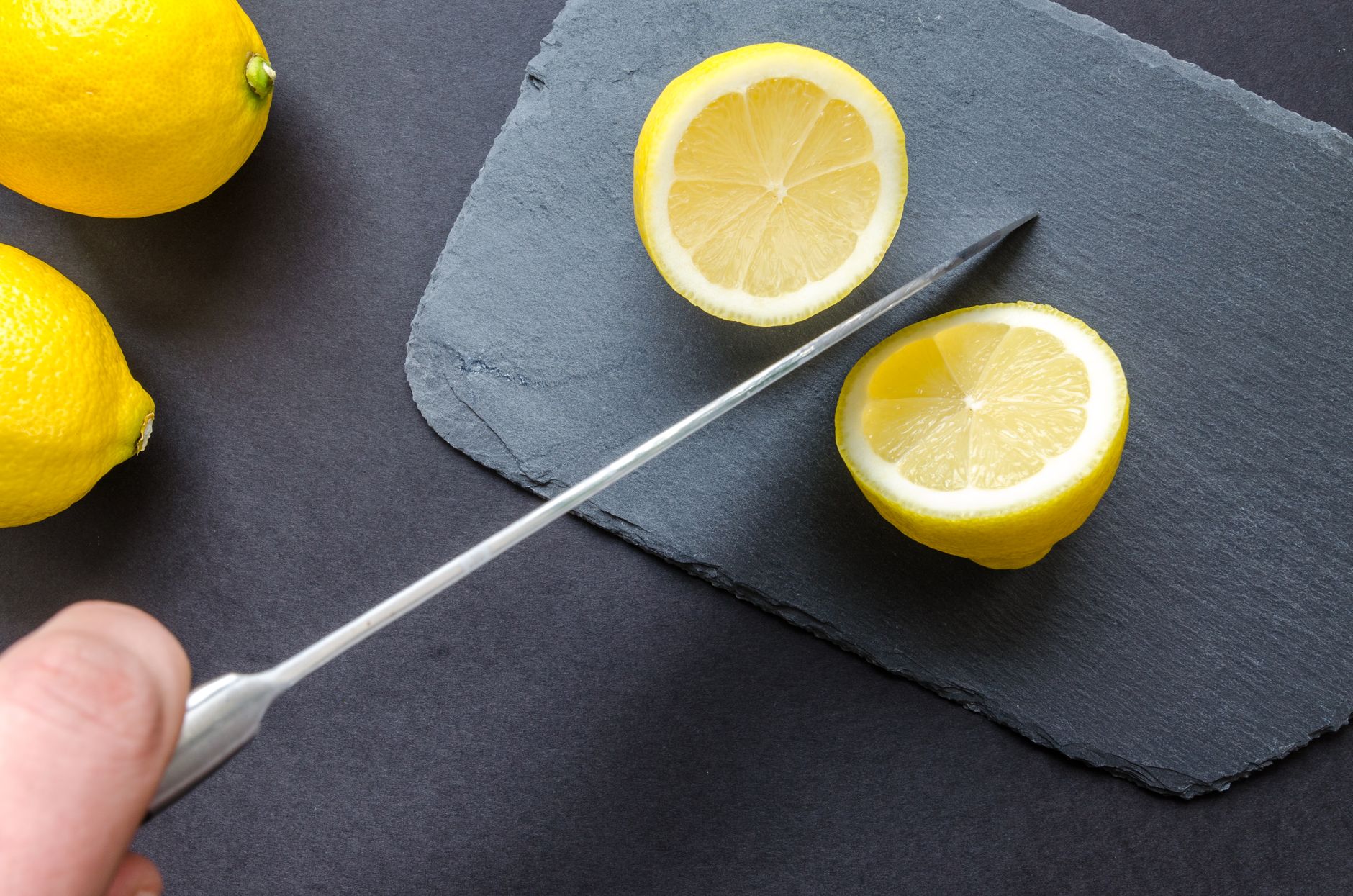
Lemon zest is a vibrant and flavorful ingredient used to enhance a variety of dishes. For those wondering, ‘Can you buy lemon zest?’ the answer is yes, but with some caveats. Whether you are looking to save time or simply want to explore the grocery store shelves for pre-packaged zest, understanding its uses, benefits, and alternatives will help you make an informed choice.
This article will explore where to buy lemon zest, how to use it in your cooking, and creative serving ideas to inspire your culinary adventures.
Can You Buy Lemon Zest?
Yes, you can buy lemon zest, but it is often available in specific forms. You can find packaged lemon zest in some grocery stores, typically in the refrigerated section or near the herbs and spices. However, fresh lemon zest is also easily made at home from whole lemons. This guide will explore both options and their uses.
Understanding Lemon Zest
Lemon zest is the outer peel of the lemon fruit, rich in aromatic oils that provide a bright, citrusy flavor without the acidity of lemon juice. It adds intensity to sweet and savory dishes alike. When zesting, it’s important to only use the yellow part of the peel and avoid the bitter white pith underneath.
Uses of Lemon Zest
- Baking: Lemon zest can enhance the flavor of cakes, cookies, and muffins.
- Sauces: Incorporate it into dressings or sauces for a bright, fresh kick.
- Marinades: Use it to infuse flavor into meats, seafood, or vegetables before grilling or roasting.
- Garnish: It can add visual appeal and flavor to cocktails, desserts, or entrees.
Where to Buy Lemon Zest
When looking for lemon zest, consider these options:
- Fresh Lemons: The best way to obtain lemon zest is by buying fresh lemons. Simply wash the fruit, then use a microplane or zester to remove the outer peel.
- Packaged Zest: Some stores sell dehydrated or freeze-dried lemon zest in spice jars. Look in the spice aisle or the fresh produce section.
- Online Grocery Stores: Shopping online can also yield packaged zest options, available from various retailers.
- Specialty Markets: Farmer’s markets or specialty grocers may offer fresh zested lemons or prepared zest.
Homemade vs. Store-Bought Lemon Zest
While store-bought lemon zest offers convenience, making it at home has distinct advantages. Here are some factors to consider:
Flavor and Freshness
Freshly zested lemons retain more aromatic oils and flavor than pre-packaged zest. The zest’s essential oils can degrade over time; hence, homemade zest will typically provide a more robust citrus profile.
Usability and Freshness
When you zest a lemon at home, you can control the amount you use and ensure it’s fresh. Store-bought zest may not always be utilized quickly enough before losing potency or freshness, especially if you don’t cook often.
Cost Considerations
Buying whole lemons is often more economical than purchasing pre-packaged zest. For those who bake or cook regularly with citrus, investing in whole lemons can be more budget-friendly long term.
How to Zest a Lemon Properly
To achieve flavorful lemon zest, you need the right tools and techniques. Here’s a step-by-step guide:
Essential Tools
- Microplane or zesting tool: A microplane is ideal for fine zest, while a zester has wider holes for thicker strips.
- Cutting board: A stable workspace is essential for safe zesting.
- Fresh lemons: Choose firm, unblemished lemons for optimal flavor.
Step-by-Step Zesting Process
- Wash the lemon thoroughly to remove any wax or pesticides.
- Position the lemon on a cutting board.
- Hold the microplane or zester at an angle and gently rub the lemon against it, only removing the yellow outer layer without digging into the white pith.
- Rotate the lemon as you go, zesting all around the fruit until you have the desired amount.
- Collect the zest and use it immediately or store it properly for later.
Storing Lemon Zest
When you have excess lemon zest, knowing how to store it will keep it fresh for future use. Here are some storage tips:
Refrigerator Storage
If you plan to use the zest within a few days, store it in an airtight container in the refrigerator. This method keeps it fresh while preventing moisture loss.
Freezing Lemon Zest
For long-term storage, freezing lemon zest is a great option:
- Spread the zest evenly on a parchment-lined baking sheet.
- Freeze until solid, then transfer it to a sealed freezer bag or airtight container.
- Label with the date and return it to the freezer for up to six months.
Practical Substitutions for Lemon Zest
If you find yourself without lemon zest, there are a few substitutions you can consider:
- Lemon Juice: While not a direct substitute, a small amount can provide lemon flavor. Use about half a teaspoon of juice for every teaspoon of zest you’re replacing, but note this adds acidity.
- Citrus Zest: Lime, orange, or grapefruit zest can also provide a citrusy note. Each brings its unique flavor profile to the dish.
- Store-Bought Alternatives: If you’re unable to zest fresh lemons, you can use packaged lemon zest available in the spice aisle.
Creative Serving Ideas
Incorporating lemon zest into your dishes not only elevates flavor but can also enhance presentation. Here are some ideas for using lemon zest creatively:
In Drinks
Add lemon zest to cocktails, lemonades, or iced teas for a refreshing kick. A twist of lemon peel as a garnish looks elegant and adds fragrance.
In Salad Dressings
Whisk lemon zest into vinaigrettes along with lemon juice, olive oil, and seasonings. It amplifies the citrus flavor and adds depth to fresh salads.
In Baked Goods
Use lemon zest in muffins or cakes to enhance the taste. For example, a lemon poppy seed muffin benefits from both lemon zest and juice.
In Savory Dishes
Sprinkle lemon zest over grilled fish, chicken, or roasted vegetables for a bright finish. It can also shine in risottos or pasta dishes, adding a bright layer of flavor.
Common Mistakes and Troubleshooting
When working with lemon zest, knowing common pitfalls can help ensure success:
Over-Zesting
Be cautious not to zest too deeply and include the white pith, which is bitter. If you mistakenly add too much pith, balance it with additional sweet ingredients or sauces.
Using Dried Zest Incorrectly
When substituting dried lemon zest for fresh, remember that it is more concentrated. Use about half the amount to start and adjust based on flavor preference.
In Conclusion
Buying lemon zest is indeed possible, with fresh lemons being the most flavorful option. Whether you’re using it for baking, cooking, or garnishing, this vibrant ingredient can elevate your culinary creations. Prepare it fresh when possible to maximize flavor, or choose convenient packaged zest when needed.
Explore delicious recipes that incorporate lemon zest such as lemon risotto or indulge in a refreshing lemon tiramisu for delightful desserts.