
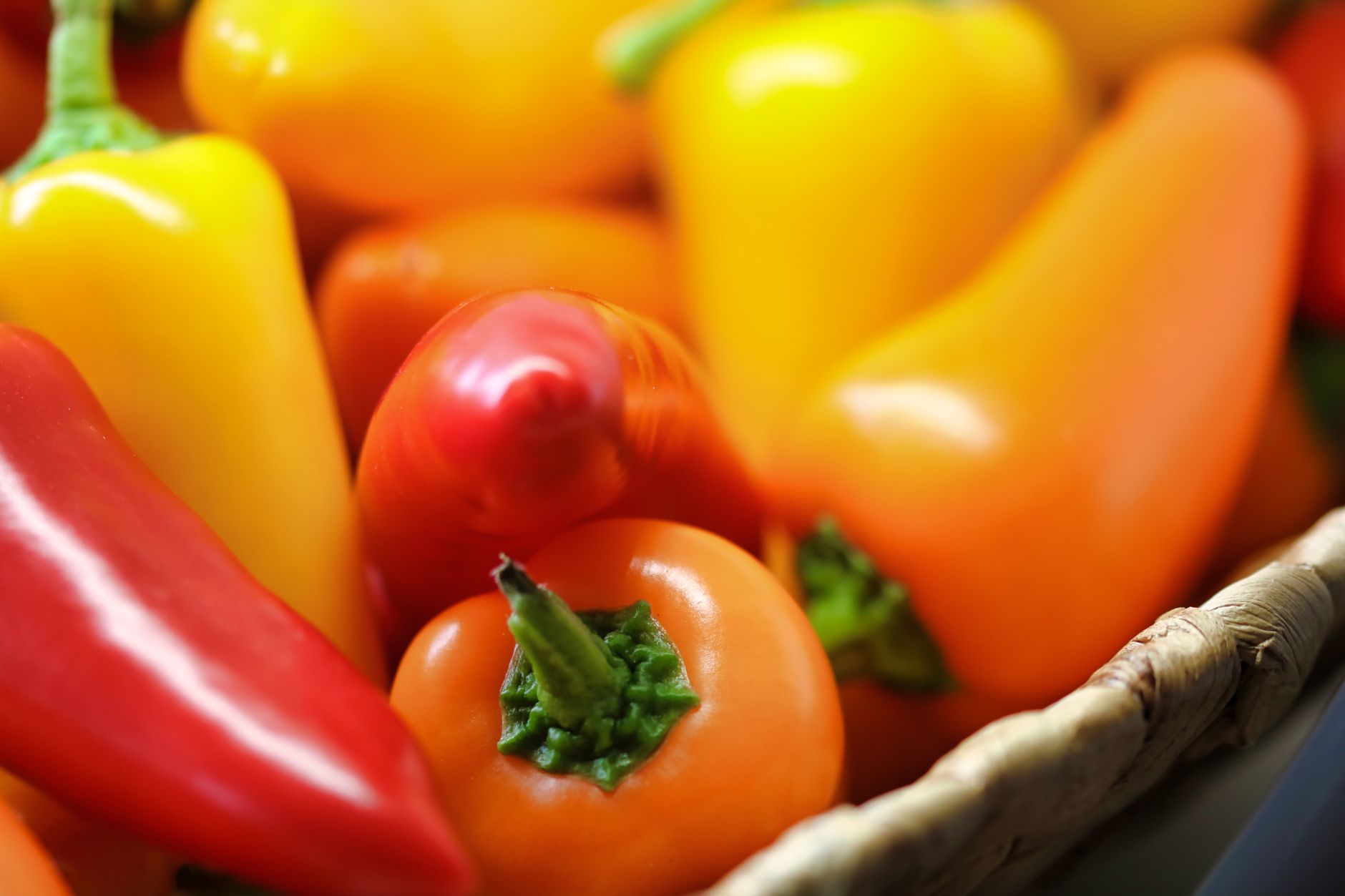
Peppers are a diverse group of vegetables that add vibrant color and flavor to countless dishes. When it comes to sweetness, not all peppers are created equal. The color of the pepper plays a significant role in determining its sweetness, with certain varieties shining above the rest.
This article delves into which color pepper is the sweetest, exploring the characteristics of various types, their culinary uses, and how to best incorporate them into your meals. We’ll also touch on easy meal planning with sweet peppers in mind.
What Color Pepper Is the Sweetest?
The sweetest color pepper is typically the red pepper. This is because red peppers are fully ripened versions of other bell peppers, which undergo a natural sugar development process as they mature. In general, the sweetness of bell peppers increases as they change color from green to yellow to orange, and finally to red.
The Different Colors of Bell Peppers
Bell peppers come in a variety of colors, each with unique flavors, textures, and uses. The main colors include:
- Green
- Yellow
- Orange
- Red
- Purple
- Brown
Green Bell Peppers
Green peppers are harvested before they ripen, which is why they have a more bitter, grassy flavor compared to their colorful counterparts. Their crisp texture makes them ideal for salads, salsas, and as a cooking ingredient in dishes like stir-fries.
Yellow Bell Peppers
Yellow bell peppers are slightly sweeter than green peppers, with a crisp and fruity flavor. They work well in salads, grilled dishes, or as colorful garnishes. Their brightness adds not only flavor but also visual appeal to meals.
Orange Bell Peppers
Orange peppers fall in between yellow and red in terms of sweetness. They have a sweet, mild flavor that can enhance both raw and cooked dishes. Their bright color makes them a popular choice for stuffed peppers and vibrant vegetable medleys.
Red Bell Peppers
Red bell peppers are the sweetest of the bunch, boasting a rich and juicy flavor. They are perfect for roasting, grilling, and adding to sauces. Their high sugar content makes them an excellent addition to both savory and sweet recipes.
Purple and Brown Bell Peppers
Purple and brown bell peppers are less common but have their own distinct flavors. Purple peppers may have a slightly bitter note, while brown peppers can be sweeter, but they are not as widely available. They can serve as interesting visuals and flavor profiles in varied recipes.
Why Red Peppers Are the Sweetest
Red peppers begin their life as green peppers, which are harvested early. As they ripen, they undergo a process where starches convert into sugars, giving them their characteristic sweetness. This sugar development is why the longer the pepper stays on the vine, the sweeter it becomes.
The ripening process of peppers also leads to changes in nutritional content. Red peppers are higher in vitamins A and C compared to their green counterparts, making them a nutritious choice for any dish.
Culinary Uses for Sweet Peppers
Sweet peppers, particularly red ones, can be used in a variety of dishes. Here are some popular uses to consider:
Fresh in Salads
Adding sliced or diced sweet peppers to salads enhances flavor, texture, and visual appeal. Their sweetness balances tangy dressings perfectly.
Grilled or Roasted
Grilling or roasting sweet peppers brings out their natural sugars, intensifying their flavor. Toss them on the grill or in the oven until charred and tender, and add them to sandwiches, wraps, or as sides.
Stir-Fries and Sautéed Dishes
Sweet peppers can elevate stir-fries and sautéed recipes by adding crunch and sweetness. Combine them with different proteins and vegetables for a well-rounded meal.
Stuffed Dishes
Stuffed peppers, especially red ones, are a classic dish. Fill them with grains, meat, or vegetables, and bake until tender for a hearty meal.
Sauces and Salsas
Roasted red peppers can be pureed to create flavorful sauces or blended into fresh salsas. Their sweetness adds dimension and balance to these condiments.
Choosing the Best Sweet Peppers
When selecting sweet peppers at the store, look for the following traits:
- Color: Select peppers that are vibrant and fully colored. For red peppers, look for dark red, while for yellow and orange, look for rich hues.
- Firmness: Choose peppers that feel firm to the touch. Soft or wrinkled peppers may be past their prime.
- Stems: The stem should be green and fresh-looking, indicating that the pepper is still fresh.
Storing Sweet Peppers
Proper storage will help maintain the freshness and flavor of sweet peppers. Here are some guidelines:
In the Refrigerator
Store sweet peppers in the vegetable drawer of your refrigerator. You can leave them whole, or slice them, keeping in mind that sliced peppers will have a shorter shelf life. They can typically last up to a week or more when whole.
Freezing Peppers
If you have an abundance of sweet peppers, consider freezing them. Wash and slice them, spreading them in a single layer on a baking sheet before freezing. Once frozen, transfer them to a freezer bag. They can be stored for up to six months but work best in cooked dishes as their texture may change.
Common Mistakes When Cooking with Sweet Peppers
Here are some pitfalls to avoid when handling and cooking with sweet peppers:
Overcooking
Overcooking sweet peppers can lead to a mushy texture and loss of flavor. Aim for tender yet slightly crisp peppers when sautéing or roasting.
Mixing Flavors
Pairing sweet peppers with overly strong flavors can overshadow their sweetness. Use complementary ingredients and seasonings to enhance their natural taste.
Ignoring the Color
Using green peppers where sweetness is desired can alter the intended flavor of a dish. Be sure to choose the right pepper color based on the desired outcome.
Sweet Pepper Meal Ideas
For those looking to incorporate more sweet peppers into their cooking, here are some practical meal ideas:
Breakfast
- Veggie Omelet: Sauté a mix of diced red and yellow bell peppers with onions, then fold them into a fluffy omelet.
- Smoothie Bowl: Blend avocado with banana and a bit of red pepper for a unique sweet twist.
Lunch
- Pepper and Quinoa Salad: Combine cooked quinoa with diced sweet peppers, chickpeas, and a lemony dressing.
- Stuffed Peppers: Fill bell peppers with a mixture of rice, beans, and spices, then bake until tender.
Dinner
- Stir-Fried Chicken and Peppers: Sauté chicken with colorful sweet bell peppers and broccoli in a savory sauce.
- Grilled Veggie Skewers: Alternate sweet peppers with zucchini and mushrooms on skewers for a colorful grilled side.
Snacks
- Stuffed Mini Peppers: Fill mini sweet peppers with cream cheese and herbs for an easy appetizer.
- Pepper Chips: Slice sweet peppers thinly, toss with olive oil, and bake until crispy for a flavorful snack.
Conclusion
Sweet peppers, especially red ones, offer a delightful addition to a variety of dishes, both for their flavor and nutritional value. When planning meals, consider the different ways sweet peppers can enhance your culinary creations. Remember to choose the right color based on the dish you are preparing, and aim for proper storage to keep them fresh.
For those interested in cooking with peppers, explore more with our guides on poblano peppers and roasted peppers for more inspiration. Happy cooking!