
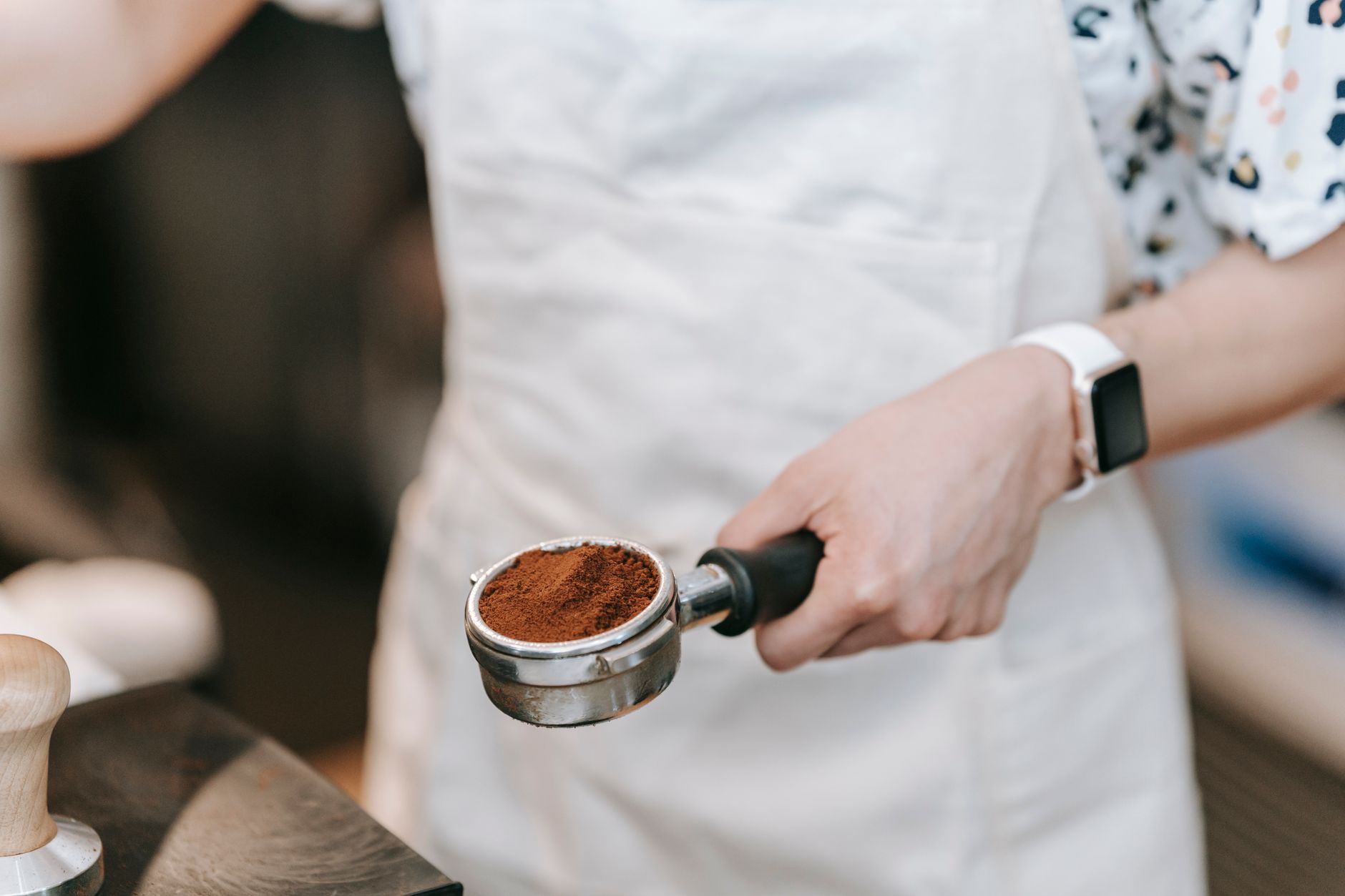
Coffee is a beloved beverage around the world, cherished for its rich flavor and energizing properties. But what about the grounds left behind after brewing? Can you drink coffee grounds? The short answer is yes, but there are nuances to consider.
In this article, we’ll explore the edibility of coffee grounds, their potential health benefits, uses in the kitchen, and practical ways to incorporate them into your diet. Whether you want to add a twist to your morning routine or reduce waste, coffee grounds may surprise you with their versatility.
Can You Drink Coffee Grounds?
Yes, you can drink coffee grounds, although it’s generally not common practice to consume them in their whole form. When blended or brewed correctly, coffee grounds can introduce a robust flavor and may have health benefits. However, consuming them as is can be gritty and unpleasant for many people.
Understanding Coffee Grounds
Coffee grounds are the remnants left after coffee beans have been brewed. They possess a strong flavor profile and contain a range of nutrients, including antioxidants, fiber, and certain minerals. Here’s what you need to know about coffee grounds:
- Texture: Coffee grounds are fine and can feel gritty. If consumed directly without proper preparation, they can be unappetizing.
- Taste: The taste profile can be bitter and earthy. How you incorporate them will affect the overall flavor.
- Health Benefits: They’re packed with antioxidants and can have beneficial compounds like chlorogenic acid, which might support metabolic health.
Ways to Consume Coffee Grounds
If you’re interested in drinking coffee grounds, here are several methods for incorporating them into your diet without the unpleasant texture:
1. Blended Smoothies
Adding coffee grounds to a smoothie is an excellent way to gain their flavor and potential health benefits while masking the gritty texture.
- Ingredients: Frozen bananas, a scoop of protein powder, a tablespoon of coffee grounds, almond milk, and a scoop of peanut butter.
- Preparation: Combine all ingredients in a blender and blend until smooth. Enjoy a nutritious and caffeinated start to your day!
2. Coffee Ground Infusion
You can brew coffee grounds, similar to brewing tea, to create a flavorful infusion.
- Ingredients: 2 tablespoons of coffee grounds, 1 cup of hot water.
- Preparation: Steep the grounds in hot water for about 5 minutes, then strain using a fine mesh strainer or coffee filter. Add sweetener or milk to taste.
3. Baked Goods
Incorporating coffee grounds into recipes for baked goods can enhance flavor while contributing to the texture.
- Usage: About 1-2 tablespoons of coffee grounds per recipe generally adds a nice flavor without making the texture gritty.
- Examples: Muffins, brownies, cookies, and cakes.
4. Coffee Ground Broth or Soup
Adding a small amount of coffee grounds to broths can introduce depth of flavor.
- Usage: 1 teaspoon added to your soup or stew can enhance the overall taste without overwhelming it.
- Caution: Use in moderation, as too much can impart an overly bitter flavor.
Health Benefits of Drinking Coffee Grounds
Consuming coffee grounds, especially in controlled amounts, might offer several health benefits, including:
- Rich in Antioxidants: Due to their high antioxidant content, coffee grounds can help combat oxidative stress in the body.
- Potential Metabolic Benefits: Some studies suggest coffee grounds may improve glucose metabolism and assist in weight management.
- Dietary Fiber: Coffee grounds provide a good source of dietary fiber that can aid digestion.
Using Coffee Grounds in the Kitchen
If you’re not keen on drinking coffee grounds directly, consider these alternative kitchen uses:
1. Natural Scrub
Used coffee grounds make an excellent exfoliating scrub for the skin. Combine them with coconut oil or yogurt for a natural body scrub.
2. Fertilizer
Coffee grounds are rich in nitrogen and can boost plant health when added to compost or directly to soil.
3. Odor Neutralizer
Place dry coffee grounds in a bowl in your fridge or freezer to absorb odors naturally.
4. Artisanal Flavors
You can use coffee grounds to infuse oils, liqueurs, or even mix into ice cream bases for an artisanal touch.
Substitutions and Variations
If you’re not a fan of the flavor of coffee grounds but still want to experiment with their nutritional benefits, here are some possible substitutions:
- Cacao Powder: For a similar richness without the caffeine, consider using cacao powder in smoothies or baked goods.
- Chicory Root: If you are looking for a caffeine-free alternative, chicory root provides a robust flavor and can be used in place of coffee grounds in various recipes.
Common Mistakes When Using Coffee Grounds
When incorporating coffee grounds into your diet or cooking, avoid these frequent pitfalls:
- Incorrect Ratios: Adding too many grounds can overpower dishes with bitterness. Start with small amounts.
- Not Measuring: Irregular measurements can yield inconsistent results. Stick to specific tsp/tbsp measures when trying new recipes.
- Using Fresh Grounds: If using unused coffee grounds, remember they retain moisture and may not provide the same texture when brewing drinks.
Storage of Coffee Grounds
To maintain the quality of coffee grounds:
- Airtight Container: Store them in airtight containers to prevent exposure to moisture and air.
- Refrigeration: For longer-term storage, refrigerating can help maintain freshness.
- Use Quickly: Aim to use them within a few weeks for optimal flavor and freshness.
Final Thoughts on Drinking Coffee Grounds
In summary, drinking coffee grounds is indeed possible, and their incorporation into your diet can lead to unexpected culinary delights and health benefits. Explore different methods for consumption and cooking, and find what best suits your palate.
For those looking for a special coffee twist, consider trying a protein coffee recipe or creating a unique coffee syrup recipe to elevate your morning routine. Experimenting with coffee grounds can be a delightful journey through flavors!