
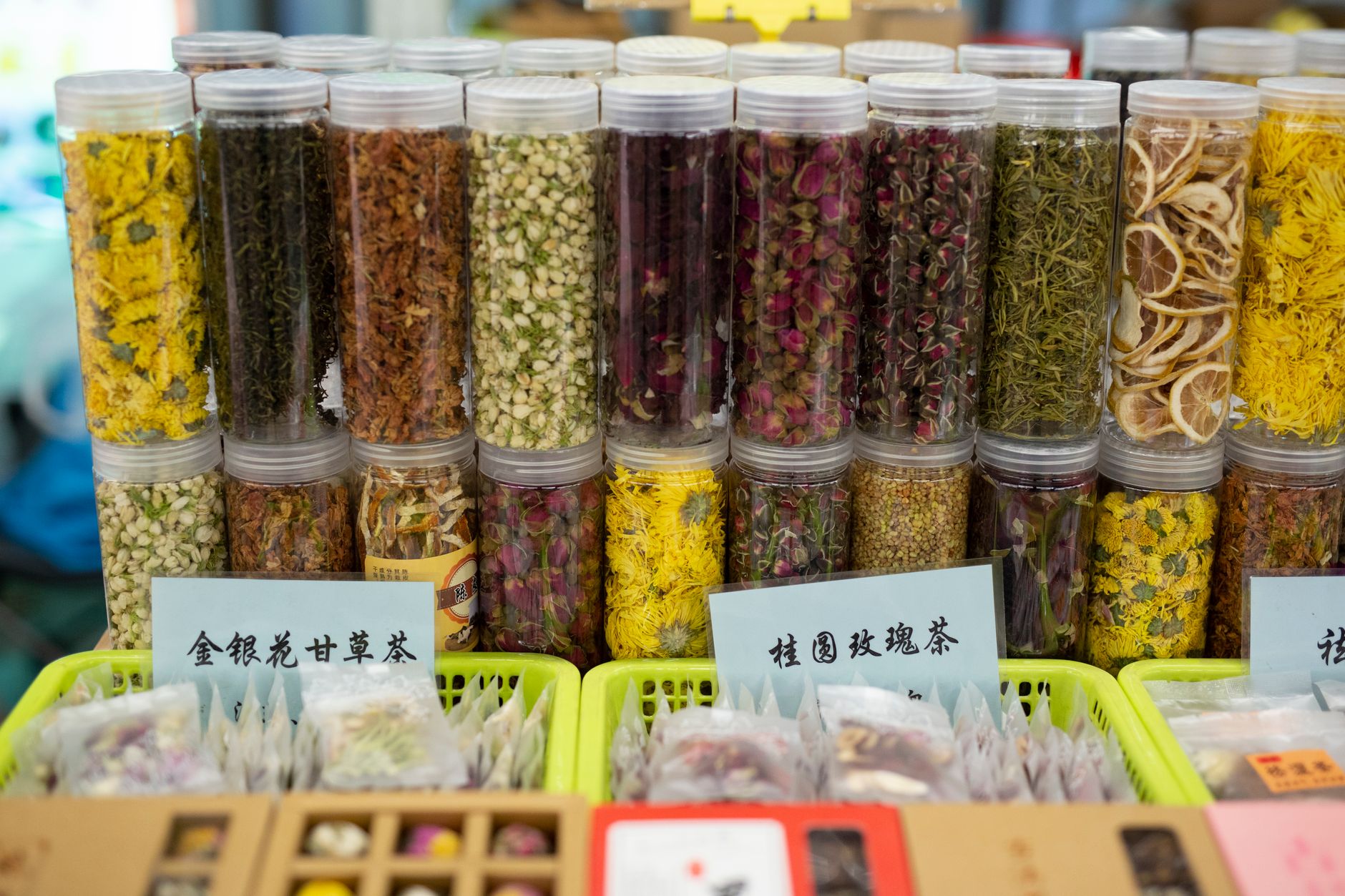
Tea is a beloved beverage enjoyed by millions around the globe, but its color can vary significantly depending on the type and preparation methods used. Understanding the color variations of tea not only enhances your appreciation of this ancient drink but also helps in selecting the right type for personal tastes and occasions.
This article delves into the various tea colors, their meanings, and the significance behind each. We will discuss the different types of tea, their characteristics, and present tips on how to brew them for optimal flavor and enjoyment.
What Color Is Tea?
Tea can range in color from pale yellow to deep amber, red, or even dark brown, depending on the type of tea leaves, processing methods, and brewing duration. The colors indicate the oxidation levels and the specific tea processing techniques used.
The Spectrum of Tea Colors
Tea typically falls into several major categories, each displaying its unique color profile.
1. Green Tea
Green tea is known for its bright, light yellow to pale green color. This color comes from the minimal oxidation of the tea leaves during processing. The leaves are usually steamed or pan-fried shortly after harvest, preserving their natural green color and health-promoting properties.
- Examples: Sencha, Matcha, and Dragon Well (Longjing)
- Tasting Notes: Fresh, grassy, and sometimes vegetal flavors.
2. White Tea
White tea is delicately processed and exhibits a light, almost translucent yellow hue. It is made from young buds and leaves that are simply plucked and allowed to wither and dry in the sun. The subtlety of white tea can be appreciated not just in flavor but also in color.
- Examples: Silver Needle and White Peony
- Tasting Notes: Light, floral, and mildly sweet.
3. Yellow Tea
Yellow tea is rare and involves a unique fermentation process that gives it a yellowish color. The leaves are lightly fermented and allowed to oxidize slowly. As a result, its color is richer than green tea and characterized by a mellow flavor.
- Examples: Junshan Yinzhen and Mojiang Huangya
- Tasting Notes: Sweet, soft, and fragrant.
4. Oolong Tea
Oolong tea is partially oxidized and its color can vary from a pale golden hue to dark amber or even reddish-brown. The degree of oxidation during processing often determines the color and flavor profile of the tea.
- Examples: Tie Guan Yin and Da Hong Pao
- Tasting Notes: Floral, fruity, and sometimes creamy.
5. Black Tea
Black tea is fully oxidized, resulting in a rich, dark amber to deep brown color. It has the strongest flavor among all tea types and is often enjoyed with milk or sugar.
- Examples: Assam, Darjeeling, and Earl Grey
- Tasting Notes: Bold, malty, and sometimes fruity.
6. Herbal Tea
Herbal teas, while not traditional tea derived from Camellia sinensis, also exhibit a wide range of colors. Depending on the ingredients, you can find herbal infusions in colors ranging from bright red (hibiscus) to deep brown (rooibos).
- Examples: Chamomile, Hibiscus, and Rooibos
- Tasting Notes: Varied flavors depending on ingredients, from fruity to floral.
Brewing Tips for Optimal Color and Flavor
The color of your tea can change based on various factors during preparation. Here are essential brewing tips to help enhance both color and flavor.
Temperature
The water temperature is crucial in extracting the right flavors and colors from your tea. Here’s a simple guide:
- Green Tea: 160°F to 180°F (70°C to 80°C)
- White Tea: 170°F to 185°F (75°C to 85°C)
- Yellow Tea: 180°F to 185°F (80°C to 85°C)
- Oolong Tea: 190°F to 205°F (90°C to 96°C)
- Black Tea: 200°F to 212°F (93°C to 100°C)
- Herbal Tea: 212°F (100°C)
Steeping Time
The length of time tea is steeped also impacts color and flavor intensity. Generally, here are suggested steeping times:
- Green Tea: 2 to 3 minutes
- White Tea: 4 to 5 minutes
- Yellow Tea: 3 to 5 minutes
- Oolong Tea: 4 to 7 minutes
- Black Tea: 3 to 5 minutes
- Herbal Tea: 5 to 10 minutes
Tea-to-Water Ratio
The amount of tea leaves used also contributes to the resulting color and flavor profile. A general rule of thumb is:
- 1 teaspoon of loose-leaf tea for every 8 ounces of water
- For stronger flavors, increase the amount of tea leaves or steeping time cautiously.
Common Mistakes in Brewing Tea
Even seasoned tea drinkers can make errors that affect the final color and taste of the tea. Here are some common pitfalls to avoid:
- Using Water That’s Too Hot: This can lead to over-extraction, making the tea taste bitter.
- Over-Steeping: Leaving tea to steep too long can result in harsh flavors, particularly with green and black teas.
- Not Measuring Leaves: Using too few tea leaves can make for a weak and watery brew.
Serving Ideas for Different Types of Tea
Choosing how to serve your tea can enhance the experience. Here’s how to serve various types of tea:
Green Tea
Green tea can be served hot or iced. Consider pairing it with light sushi or salads for an authentic experience.
White Tea
Serve white tea in clear glass teapots to showcase its beautiful pale color. It pairs well with delicate desserts or fresh fruits.
Oolong Tea
The traditional Chinese tea ceremony can enhance the experience of oolong tea. Pair it with light snacks such as steamed dumplings.
Black Tea
Black tea is versatile; it can be enjoyed plain, with a splash of milk, or sweetened. It pairs well with hearty breakfast dishes and pastries.
Herbal Tea
Herbal teas make great iced beverages. Experiment with adding lemon, honey, or spices for a unique twist.
Exploring Tea Beyond Color
While color is an important aspect of tea, understanding the flavors, aromas, and cultural significance can elevate your tea-drinking experience even further. Here are a few areas to explore:
Flavor Profiles
Each tea type comes with its own set of flavor qualities.
- Green tea features grassy, vegetal notes.
- Black tea offers bold and robust flavors.
- Oolong ranges from floral to creamy.
Health Benefits
While it is essential not to exaggerate health claims, many studies suggest that tea can contribute to overall wellness. Here are purported benefits of various types:
- Green Tea: Rich in antioxidants and may support metabolism.
- Black Tea: May improve heart health and lower cholesterol levels.
- Herbal Teas: Like chamomile can promote relaxation and improved sleep.
Tea in Different Cultures
Different cultures have distinctive approaches to tea. From Japanese tea ceremonies emphasizing aesthetics and mindfulness to British afternoon tea traditions, the context surrounding the beverage can affect appreciation and consumption.
Storing Tea for Optimal Freshness
Proper storage of your tea is essential for maintaining its flavor and color. Here are some tips:
- Airtight Containers: Keep tea in a cool, dark place in aluminum or ceramic containers that seal tightly.
- Avoid Humidity: Keep away from moisture which can cause mold or degradation.
- Separate Flavors: Store strong-smelling teas away from others to prevent flavor contamination.
Summary
Tea’s color variations reflect its processing, preparation, and even cultural significance. Understanding these aspects not only enriches your tea-drinking experience but also enables you to select the right type for any occasion. By mastering brewing techniques and serving suggestions, you can fully appreciate the diverse world of tea.
For further exploration, check out detailed insights on Black Tea and the unique flavors of Green Tea.