
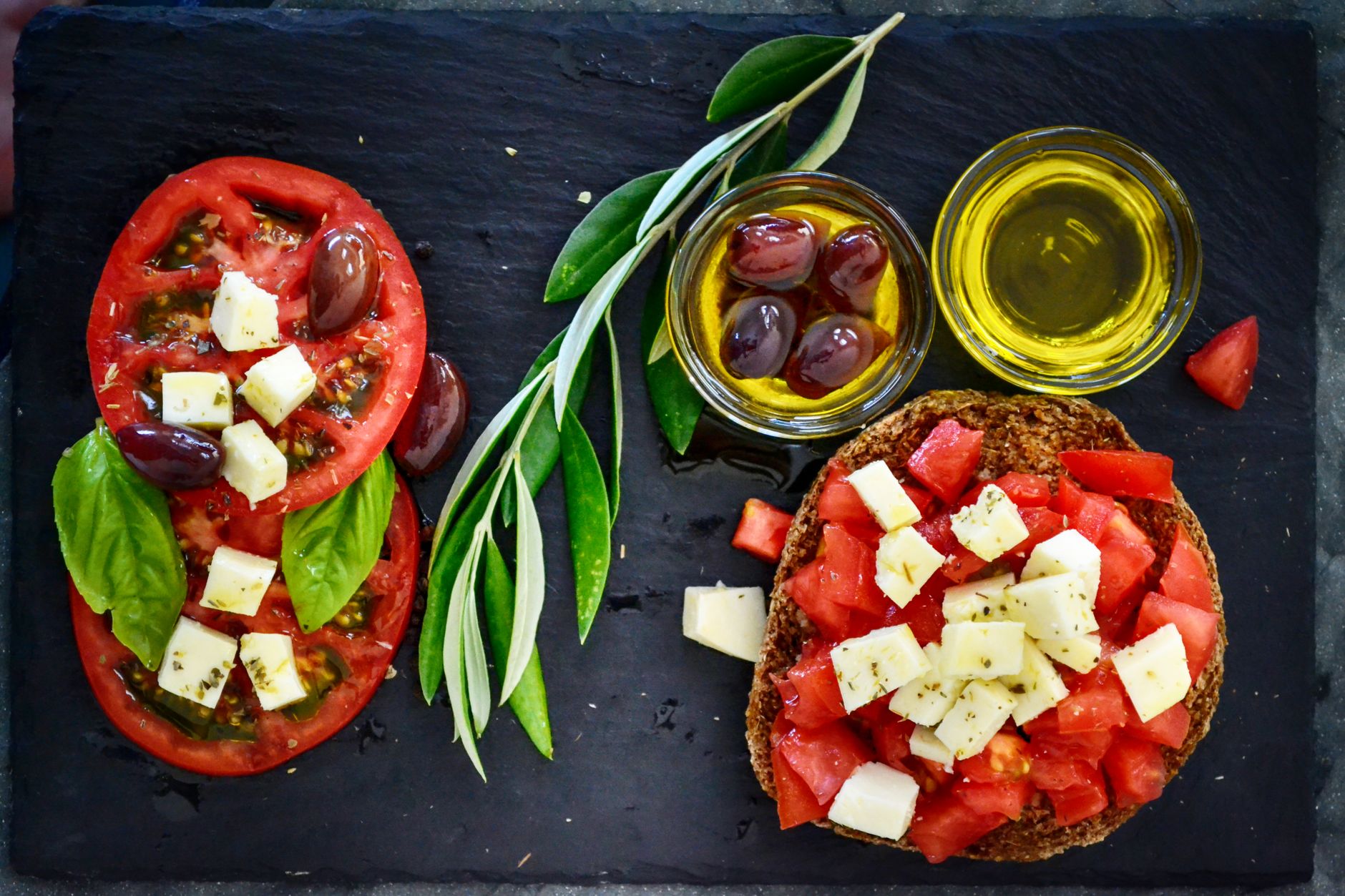
The Mediterranean diet is celebrated for its health benefits and delicious flavors, focusing on whole, nutritious foods native to Mediterranean regions. With an emphasis on fruits, vegetables, whole grains, nuts, and healthy fats, it offers plenty of variety and opportunities to explore new recipes and cooking techniques.
This article will guide you through the essential components of the Mediterranean diet, including what you can eat, practical meal planning advice, and ingredient insights that can enhance your culinary experience.
What Can I Eat on the Mediterranean Diet?
The Mediterranean diet is based on a variety of nutritious foods that are not only healthy but also satisfying and versatile. You can enjoy a range of fruits, vegetables, whole grains, legumes, nuts, seeds, herbs, and healthy fats like olive oil while also incorporating fish, seafood, poultry, and dairy in moderation. Processed foods, red meat, and added sugars should be minimized.
Core Food Groups in the Mediterranean Diet
Understanding the core food groups within the Mediterranean diet is essential for creating delicious meals that are both satisfying and nutritious.
Fruits and Vegetables
- Fruits: citrus fruits, berries, apples, pears, grapes, and figs.
- Vegetables: leafy greens, tomatoes, peppers, cucumbers, eggplants, and zucchini.
Fresh fruits and vegetables provide essential vitamins, minerals, and fiber. Aim to fill your plate with colorful options, as each color typically signifies different health benefits.
Whole Grains
- Whole wheat bread and pasta
- Brown rice
- Quinoa
- Barley
Whole grains are a significant source of complex carbohydrates and should replace refined grains. They also help keep you fuller longer and provide an array of nutrients.
Legumes and Nuts
- Lentils
- Chickpeas
- Black beans
- Almonds
- Walnuts
Legumes are excellent plant-based protein sources, while nuts provide healthy fats and additional protein. Incorporating these can enhance the taste and texture of your meals.
Healthy Fats
- Extra virgin olive oil
- Avocados
- Seeds (chia, flax, pumpkin)
Healthy fats are vital in the Mediterranean diet, with olive oil being a primary choice. Use it for cooking or as a dressing to amplify flavors without added unhealthy fats.
Fish and Seafood
- Salmon
- Sardines
- Shellfish
Incorporate fish and seafood into your diet at least a couple of times each week. They are rich in omega-3 fatty acids, which are beneficial for heart health.
Poultry and Dairy
- Chicken
- Yogurt
- Cheese (such as feta or mozzarella)
Poultry and dairy should be consumed in moderation. Opt for low-fat options when possible and use dairy for added flavor in whole dishes.
Herbs and Spices
- Basil
- Oregano
- Parsley
- Garlic
Herbs and spices are a flavorful alternative to salt and can elevate a simple dish to something extraordinary. They each provide unique health benefits as well.
Practical Meal Planning on the Mediterranean Diet
Meal planning is crucial for successfully adhering to the Mediterranean diet. The following strategies can help you stay organized and motivated.
1. Start with a Plan
Set aside time each week to plan your meals. Outline breakfast, lunch, and dinner for every day, including snacks. Creating a shopping list based on your plan will ensure you have all the ingredients at hand.
2. Batch Cooking
Prep meals or components in bulk to save time during the week. Cook large portions of grains or legumes, roast vegetables, or prepare dressings ahead of time. These can be mixed and matched for quick meals.
3. Prepare Balanced Meals
A typical Mediterranean meal might include:
- A salad filled with mixed greens and colorful vegetables.
- A protein source such as grilled fish or lentils.
- A serving of whole grains like quinoa.
- A drizzle of olive oil and a squeeze of lemon for flavor.
4. Incorporating Leftovers
Transform leftovers into new meals. For example, leftover roasted vegetables can be added to a grain bowl or blended into a soup. This minimizes waste and maximizes flavor.
Food Storage Tips
Proper food storage allows you to keep your ingredients fresh for extended periods, making cooking easier and reducing spoilage.
Fruits and Vegetables
- Store leafy greens in a breathable container to maintain crispness.
- Keep fruits like apples and bananas at room temperature for ripening, then refrigerate.
Whole Grains and Legumes
- Store in airtight containers and keep them in a cool, dry place to prevent rancidity.
- Label containers with dates to ensure freshness.
Nuts and Seeds
Keep nuts and seeds in the refrigerator or freezer to prolong freshness, as they can go rancid quickly when exposed to heat and light.
Ingredient Substitutions and Variations
Understanding ingredient substitutions can make it easier to create Mediterranean-inspired meals based on what you have on hand.
1. Carbohydrate Sources
- Quinoa can be replaced with farro or brown rice.
- Pasta can be swapped for spiralized zucchini for a low-carb option.
2. Protein Sources
- Chicken can be substituted with turkey or tofu for a vegetarian option.
- Fish such as salmon can be replaced with any white fish like cod or tilapia.
3. Dairy Alternatives
- Greek yogurt can be replaced with dairy-free yogurt made from almond or coconut.
- Feta cheese can be substituted with goat cheese or nutritional yeast for a non-dairy alternative.
Common Mistakes and Troubleshooting
Being aware of common pitfalls can help you on your journey with the Mediterranean diet.
1. Skipping Fresh Produce
It can be tempting to rely on packaged snacks and convenience foods. Ensure you include a variety of fresh produce at every meal to maximize dietary benefits.
2. Heavy on Processed Foods
While some convenience foods may fit into the Mediterranean lifestyle, try to limit consumption of processed and high-sugar options for better health outcomes.
3. Inconsistent Meal Prep
Inconsistent meal prepping can lead to unhealthy choices. Schedule a specific day for meal prep to keep your diet on track.
Incorporating Mediterranean Diet Recipes
The Mediterranean diet is not just about what you can eat, but also how to enjoy the culinary arts. Here are a few ideas for incorporating classic dishes into your meal rotation:
- Stuffed bell peppers with quinoa, feta, and minced vegetables.
- Grilled fish with a side of tabbouleh salad.
- Lentil soup flavored with garlic, carrots, and spices.
- Chickpea salad with cherry tomatoes, cucumbers, and parsley.
Flavoring Your Meals
Adding flavor without excess salt or unhealthy ingredients is key to Mediterranean cooking. Here are some tips:
1. Utilize Citrus
Fresh lemon or lime juice can brighten up any dish, adding a refreshing element.
2. Use Fresh Herbs
A sprinkle of fresh herbs can elevate the simplest dishes. Consider mixing in basil, parsley, or dill into salads, sauces, or grain bowls.
3. Experiment with Spices
Spices like cumin, paprika, or coriander can deepen the flavor profile without extra calories.
In Summary
The Mediterranean diet is not just a meal plan; it is a lifestyle that focuses on fresh, whole foods, with an emphasis on balance and enjoyment of meals. By incorporating a variety of ingredients, planning your meals effectively, and reducing processed food intake, you can fully embrace this delicious and healthful way of eating. Start by gradually making changes to your grocery shopping list, focusing on whole foods, and experimenting with Mediterranean recipes.
Explore more gourmet Mediterranean-inspired dishes such as Moussaka or try making a flavorful Whipped Ricotta to enhance your culinary journey.