
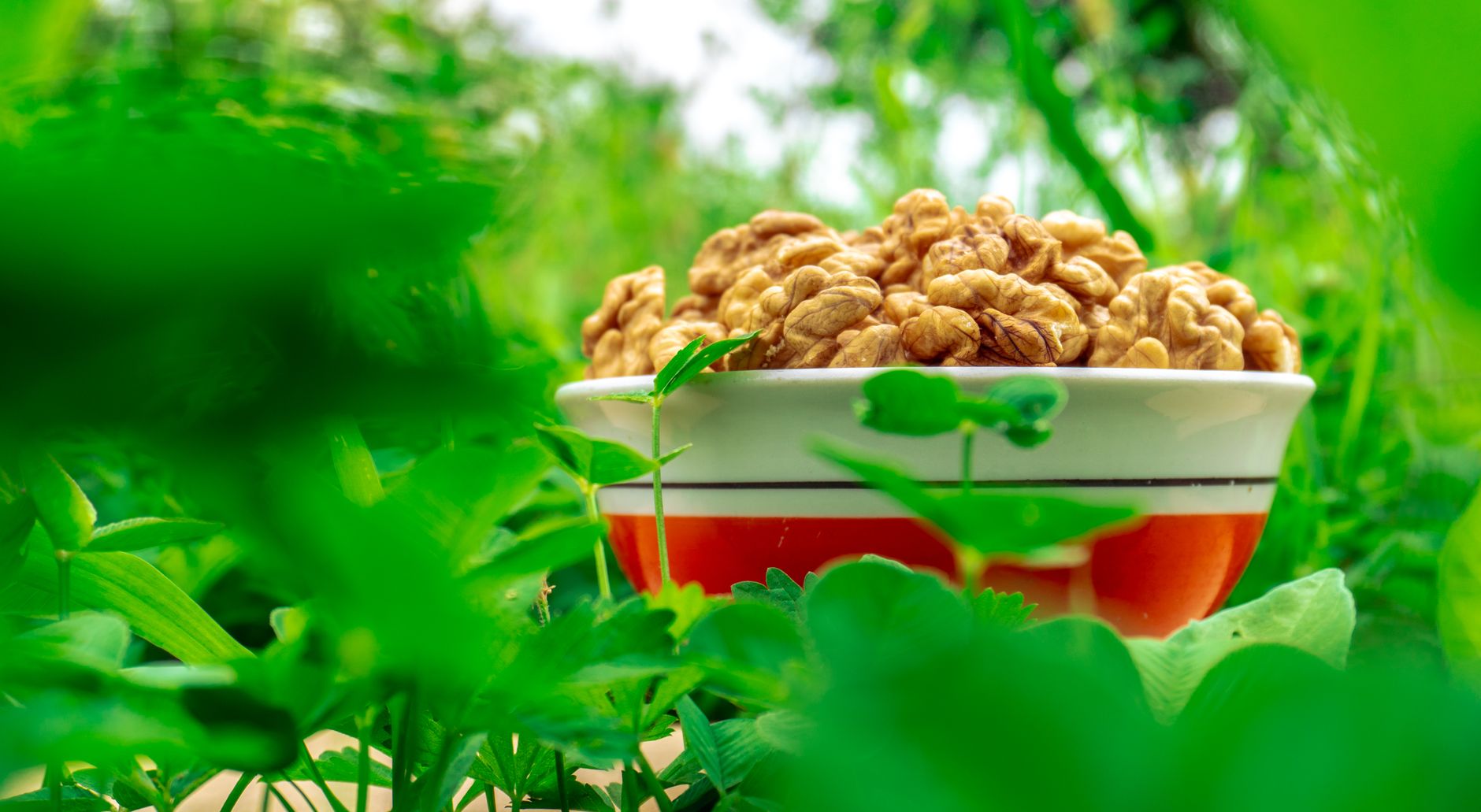
Walnuts are not just a tasty addition to snacks and salads; they are also incredibly nutritious and versatile. Known for their rich, buttery flavor and crunchy texture, these nuts have unique culinary properties and numerous health benefits. Understanding what walnuts are good for can help you incorporate them into your meals effortlessly and enjoyably.
This article will delve into the characteristics, health benefits, culinary uses, storage tips, and culinary substitutions for walnuts, helping you make the most of this powerhouse ingredient.
What Are Walnuts Good For?
Walnuts are good for a variety of culinary and nutritional purposes, making them a superb addition to your diet. They provide essential fatty acids, antioxidants, and other nutrients that support heart health, brain function, and overall well-being while also enhancing the flavors and textures of many dishes.
Nutrition and Health Benefits of Walnuts
Before we explore culinary applications, let’s first look at the nutrients walnut offer and some associated health benefits.
Essential Nutrients
- Omega-3 Fatty Acids: Walnuts are one of the richest plant sources of alpha-linolenic acid (ALA), a type of omega-3 fatty acid vital for heart health.
- Antioxidants: These nuts contain a range of antioxidants, including polyphenols, which help reduce inflammation and oxidative stress.
- Protein: Walnuts provide a good source of protein, making them a valuable addition to vegetarian and vegan diets.
- Vitamins and Minerals: Walnuts are rich in several vitamins and minerals, including vitamin E, B vitamins, magnesium, and phosphorus.
Potential Health Benefits
- Heart Health: Regular consumption of walnuts may lower LDL (bad cholesterol) levels and improve overall heart health.
- Brain Function: The omega-3s in walnuts may promote better cognitive function and reduce the risk of age-related cognitive decline.
- Weight Management: Studies suggest that including walnuts in your diet may help you feel full longer and aid in weight control.
- Anti-Inflammatory Effects: The antioxidants in walnuts can help combat inflammation, benefiting conditions like arthritis.
Culinary Uses of Walnuts
Walnuts are incredibly versatile and can be used in a wide array of dishes. Here’s how to incorporate them into your cooking.
Snack Options
- Raw or Roasted: Snack on walnuts raw or roast them for a toasty flavor. Simply place them in a single layer on a baking sheet at 350°F (175°C) for about 8-10 minutes, tossing halfway through.
- Trail Mix: Combine walnuts with dried fruits, seeds, and dark chocolate for a nutritious trail mix.
- Nut Butter: Blend walnuts in a food processor to make walnut butter, a creamy and healthy spread.
In Salads and Sides
- Salad Topping: Add chopped or whole walnuts to salads for an added crunch and nutritional boost.
- Grain Dishes: Mix walnuts into quinoa, rice, or bulgur salads for added texture and flavor.
In Main Dishes
- Pasta: Toss walnuts into pasta dishes or add them to creamy sauces for a unique flavor and texture.
- Stir-Fries: Combine walnuts in stir-fries for added crunch and richness.
Baking and Desserts
- Cookies and Brownies: Incorporate walnuts into cookies, brownies, or cakes for added richness.
- Granola and Energy Bars: Use walnuts in homemade granola or energy bars for improved nutrition.
Popular Recipes Featuring Walnuts
If you’re looking for inspiration on how to use walnuts in your dishes, here are a few popular recipes to consider:
Candied Walnuts
Perfect as a topping for salads or snacks, candied walnuts bring a sweet crunch to your dishes.
- Ingredients:
- 1 cup walnuts
- 1/2 cup granulated sugar
- 1/4 cup water
- 1/2 tsp cinnamon (optional)
- Pinch of salt
Method:
- In a saucepan, combine sugar, water, and salt; bring to a boil.
- Add walnuts and cook on medium heat for about 5-7 minutes, stirring until the mixture thickens.
- Remove from heat and sprinkle cinnamon if desired.
- Spread walnuts onto parchment paper and let cool before serving.
Walnut Pesto
A great alternative to traditional basil pesto, walnut pesto adds a hearty flavor to pasta or spread on crostini.
- Ingredients:
- 1 cup walnuts
- 2 cups fresh basil leaves
- 2 garlic cloves
- 3/4 cup olive oil
- 1/2 cup grated Parmesan cheese
- Salt and pepper to taste
Method:
- In a food processor, pulse walnuts, basil, and garlic until finely chopped.
- With the processor running, slowly add olive oil until a smooth paste forms.
- Stir in Parmesan cheese and season with salt and pepper.
- Enjoy with pasta or as a spread.
Storage Tips for Walnuts
Proper storage is essential to maintain the freshness and flavor of walnuts. Here are some guidelines:
- Cool and Dark Environment: Store walnuts in an airtight container in a cool, dark place like a pantry for short-term storage.
- Refrigeration: For longer shelf life, keep walnuts in the refrigerator where they can last for up to six months.
- Freezing: Walnuts can be frozen for up to a year. Store them in an airtight container or freezer bag to prevent freezer burn.
Ingredient Substitutions
If you find yourself lacking walnuts in your pantry or need alternatives due to allergies, here are some viable substitutions:
- Pecans: Pecans provide a similar taste and texture to walnuts and can often be substituted in recipes at a 1:1 ratio.
- Almonds: Chopped almonds can replace walnuts for a crunchier texture, though the flavor will be slightly different.
- Sunflower Seeds: For a nut-free option, sunflower seeds can replace walnuts in granola or salads, providing a pleasant crunch.
Common Mistakes and Troubleshooting
While using walnuts can significantly enhance your dishes, there are common pitfalls you may encounter. Here’s how to avoid them:
- Over-roasting: Be cautious when roasting walnuts; they can go from perfectly toasted to burnt quickly. Monitor them closely and stir occasionally.
- Storing Improperly: Ensure walnuts are stored in an airtight container to prevent them from becoming rancid. If they smell off, it’s best to discard them.
Making Walnuts a Staple in Your Meals
Incorporating walnuts into your diet can be relatively easy. Here are practical tips for making walnuts a staple in your meals:
- Meal Prep: Chop walnuts ahead of time and store them in the refrigerator to add to dishes effortlessly throughout the week.
- Batch Cooking: Include walnuts in batch-cooked dishes, such as soups or stews, for additional protein and crunch.
- Breakfast Add-in: Sprinkle walnuts onto breakfast items like oatmeal or yogurt for a nutritional boost to start your day.
Conclusion
Walnuts are incredibly versatile and packed with nutrients, making them a smart addition to any diet. From their nutritious benefits to their rich flavor, walnuts can enhance the taste and texture of a wide variety of dishes, snacks, and meals. With proper storage, creative cooking ideas, and a few simple substitutions, walnuts can become a beloved staple in your kitchen.
If you’re interested in exploring more delicious walnut recipes, check out our candied walnuts recipe for a sweet treat or learn about the benefits of chia seeds for further nutritional insights.