
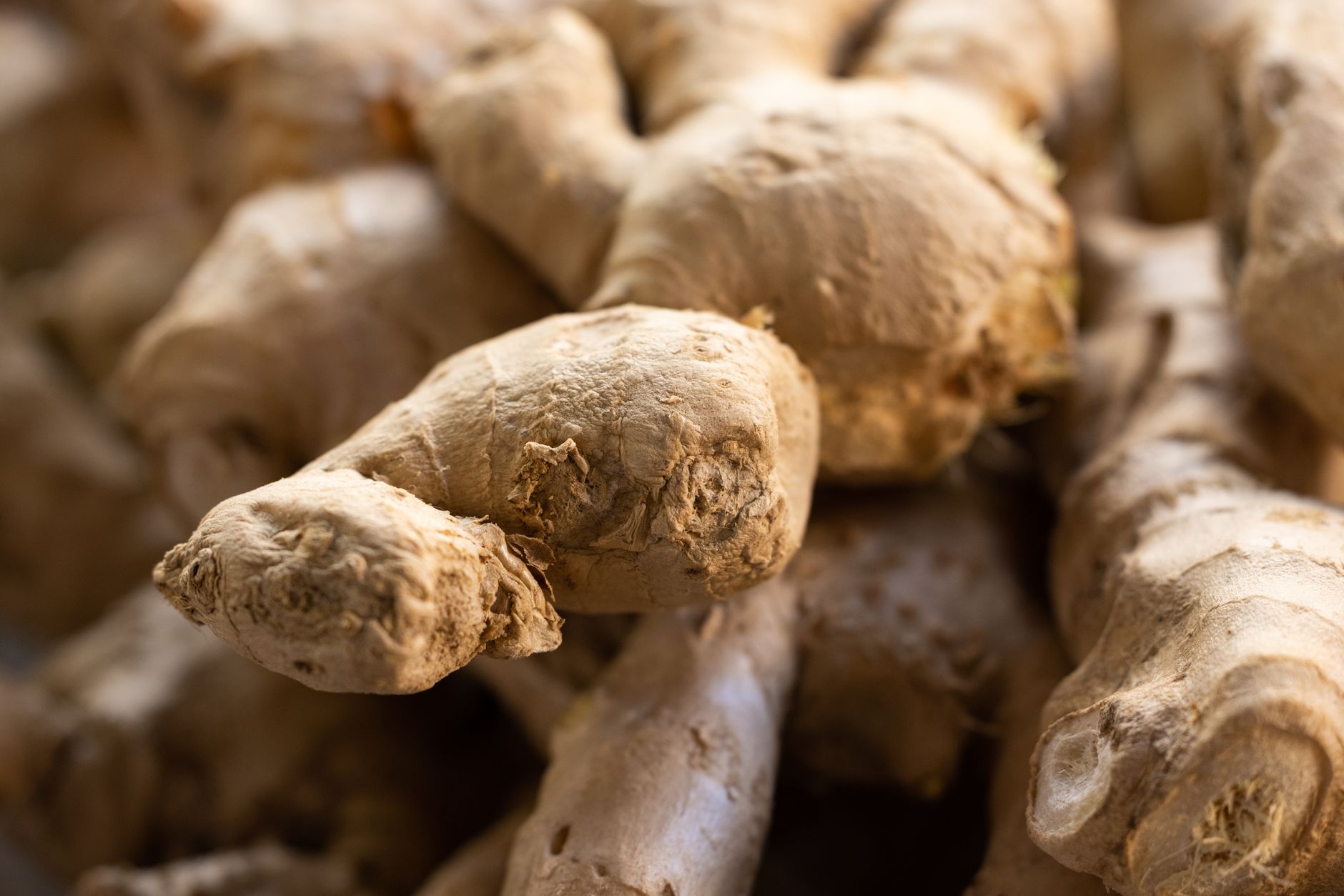
Ginger is a versatile root known both for its culinary uses and remarkable health benefits. From enhancing flavors in savory and sweet dishes to acting as a natural remedy, ginger boasts an impressive profile that makes it a staple in many kitchens worldwide. This article will explore its top ten health benefits and provide some insight into how to integrate ginger into your daily diet.
Whether you’re seeking natural remedies or simply want to add a spicy kick to your meals, ginger is a fantastic ingredient. Here, we delve into its health benefits backed by science, alongside tips on incorporating ginger into your diet.
What Are the 10 Health Benefits of Ginger?
Ginger is not just a common spice; it offers numerous health benefits that have been celebrated for centuries. Here’s a closer look at the ten health benefits of ginger:
1. Reduces Nausea
Ginger is widely known for its anti-nausea effects. It has proven effective for various types of nausea, including morning sickness in pregnancy, postoperative nausea, and motion sickness. Studies indicate that ginger may work by influencing the gastrointestinal tract, inhibiting the activity of certain serotonin receptors involved in the nausea-triggering pathways.
2. Anti-Inflammatory Properties
Ginger contains potent anti-inflammatory compounds known as gingerols. These compounds can help reduce inflammation throughout the body, making ginger a helpful addition for those suffering from inflammatory diseases such as arthritis. Regular consumption may alleviate symptoms associated with chronic inflammation, including pain and swelling.
3. Aids Digestion
Ginger can significantly enhance digestive health. It promotes the efficient breakdown of food in the gastrointestinal tract and helps prevent bloating and gas. Consuming ginger before or after meals in various forms, such as ginger tea or candied ginger, may improve digestive comfort.
4. Boosts Immunity
Thanks to its antioxidant properties, ginger helps bolster the immune system. Regular intake of ginger can fight off infections and illnesses. In the cold winter months, ginger can help reduce the likelihood of catching common colds or flu. Its antiviral and antibacterial properties further contribute to its immune-boosting capabilities.
5. Supports Weight Loss
Some studies suggest that ginger can aid in weight loss by promoting feelings of fullness and enhancing metabolic rate. Ginger helps regulate blood sugar levels, thus reducing cravings and managing appetite. Including ginger in your meals may indirectly support weight management efforts.
6. Reduces Menstrual Pain
Many women turn to ginger to combat menstrual pain. Research indicates that taking ginger at the start of menstruation can significantly alleviate cramps. Ginger is thought to act similarly to nonsteroidal anti-inflammatory medications (NSAIDs) but with a natural, herbal base.
7. Improves Brain Function
Some studies suggest that ginger may enhance brain function and potentially protect against age-related cognitive decline. This is attributed to its antioxidant and anti-inflammatory effects. Regular consumption may improve memory and cognitive processing speeds, making it a health-conscious addition to anyone’s diet.
8. Lowers Blood Sugar Levels
Ginger has been shown to help regulate blood sugar levels. Some studies indicate that it may improve insulin sensitivity and decrease fasting blood sugar levels, making it a potentially beneficial herb for those with type 2 diabetes. Maintaining stable blood sugar levels is crucial for overall health and wellbeing.
9. Improves Heart Health
Regular consumption of ginger may lower cholesterol levels and improve blood circulation. The anti-inflammatory properties of ginger can contribute to better cardiovascular health by helping to prevent blood clots and managing blood pressure. By lowering risk factors for heart disease, ginger may be an excellent addition to a heart-healthy diet.
10. May Reduce Cancer Risk
While research is still ongoing, some studies suggest that ginger may have anticancer properties. Its gingerol compounds may inhibit the growth of cancer cells, making it a potentially powerful ally in cancer prevention strategies. Additional research is needed to determine its effectiveness, but including ginger as part of a balanced diet could be beneficial.
Integrating Ginger into Your Diet
With so many health benefits, it’s beneficial to incorporate ginger into your daily meals. Here are some practical ways to enjoy ginger:
- Ginger Tea: Steep fresh ginger slices in hot water for a soothing tea that harnesses the herb’s healthful properties. Add honey and lemon for extra flavor.
- Smoothies: Add a small piece of ginger to smoothies for a zesty kick. It pairs well with fruits like pineapple and mango.
- Cooking: Use grated or minced ginger in stir-fries, marinades, and curries. It adds a warm, spicy flavor to any savory dish.
- Baking: Incorporate ground ginger into baked goods, such as cookies or cakes. Gingerbread is a classic example during the holiday season.
- Salads: Add grated ginger to vinaigrettes for a spicy twist that enhances your salads.
Common Misconceptions about Ginger
Despite its popularity, there are a few misconceptions surrounding ginger that should be clarified:
- Ginger is only for Asian dishes: While ginger is prevalent in Asian cuisine, its uses are global. It can enrich a variety of dishes from different culinary traditions.
- All ginger products are equally beneficial: Fresh ginger tends to retain the highest levels of nutrients compared to processed forms. While dried and powdered ginger can still provide health benefits, they may not be as potent.
Choosing and Storing Ginger
When selecting ginger, look for smooth, firm roots with a fresh, spicy aroma. Avoid any that feel soft or have mold. Fresh ginger will last about one week at room temperature or several weeks when stored in the refrigerator. You can also freeze ginger for longevity. Simply peel and chop or grate before storing it in an airtight container.
Ginger Substitutions
If you don’t have fresh ginger on hand, there are several substitutes you can use, though the flavor might differ. Here are some reliable alternatives:
- Ginger Powder: Use about 1/4 teaspoon of ground ginger for every tablespoon of fresh ginger needed. Keep in mind that the flavor is less robust.
- Ground Ginger Ale: This can add ginger flavor in a pinch, particularly in drinks, but may not work for savory dishes.
- Other Spices: Cardamom, galangal, or allspice can provide a similar warmth, but they will not replicate the exact flavor of ginger.
Common Mistakes to Avoid
When using ginger in cooking, here are some common pitfalls to avoid:
- Overcooking: Cooking ginger for too long can mellow its flavor. Add it to your dishes towards the end of cooking to retain its spicy profile.
- Not peeling: The skin of ginger is edible but can be fibrous and tough. Peeling fresh ginger before using it can improve flavor and texture.
Conclusion
Ginger is an incredible root that offers a myriad of health benefits, from combatting nausea to supporting digestive health. Incorporating ginger into your diet can be a flavorful and health-conscious choice. With its versatility, it’s easy to use in various recipes, whether you enjoy it fresh, powdered, or pickled.
Explore the world of ginger further by checking out what ginger is and trying a delicious ginger syrup recipe. These resources can enhance your understanding and enjoyment of this fantastic ingredient.
What is Ginger? and Ginger Syrup Recipe can provide additional insight into this flavorful root.