
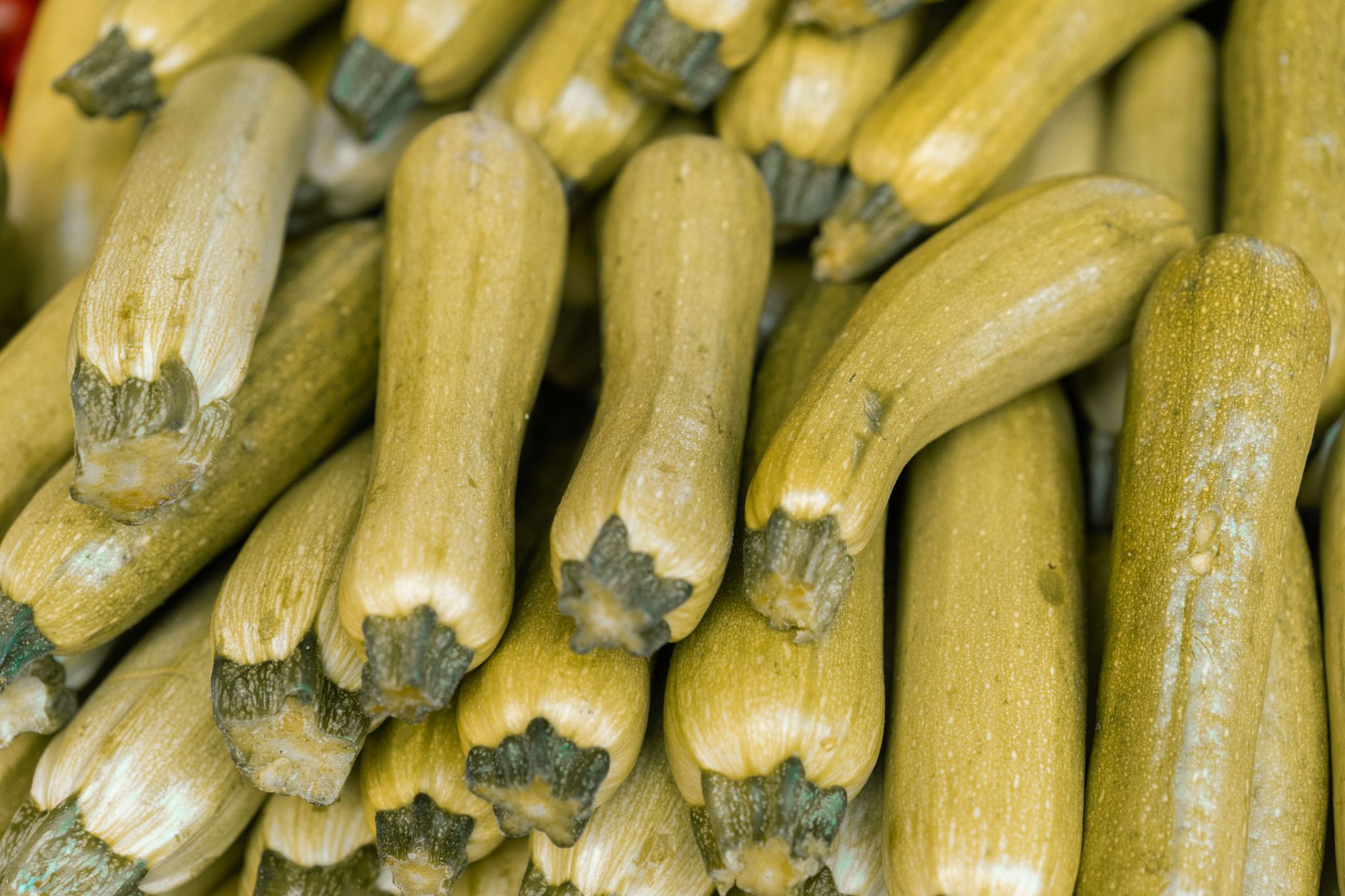
Zucchini, a versatile and nutritious summer squash, is a staple in many kitchen gardens and on tables worldwide. With its mild flavor and adaptability, it’s no wonder that zucchini is widely used in a variety of dishes, from stir-fries to baked goods. If you’re watching your calorie intake or trying to incorporate healthier ingredients into your meals, you may wonder: how many calories are in one zucchini?
This article will explore the calorie content of zucchini, detail serving sizes, and provide insights on how to integrate this vegetable into your diet while keeping meals balanced and satisfying.
How Many Calories in One Zucchini?
One medium zucchini, approximately 7 to 8 inches long and weighing about 196 grams, contains roughly 33 calories. This low caloric content makes zucchini an excellent addition to any meal, offering bulk and nutrients without significantly increasing calorie intake.
When considering the nutritional value, zucchini is composed primarily of water and carbohydrates. It is low in fat and provides fiber, vitamins, and minerals, making it a healthful choice for various diets.
Nutritional Benefits of Zucchini
Zucchini is not only low in calories but also packed with nutrients. Here’s a breakdown of its nutritional benefits:
- Fiber: Zucchini contains about 2 grams of fiber per medium-sized zucchini, promoting digestive health and feeling full longer.
- Vitamins: It is rich in vitamin C, which supports the immune system, and vitamin A, essential for vision.
- Minerals: Zucchini provides potassium, which helps maintain blood pressure levels and supports muscle function.
- Antioxidants: The vegetable contains antioxidants like lutein and zeaxanthin, which are beneficial for eye health.
Calorie Breakdown by Serving Size
To understand how many calories are in zucchini based on different serving sizes, here’s a quick reference guide:
| Serving Size | Calories |
|---|---|
| 1 medium zucchini (196g) | 33 |
| 1 small zucchini (118g) | 20 |
| 1 cup of sliced zucchini (124g) | 19 |
| 1 cup of cooked zucchini (180g) | 36 |
| 1 cup of grated zucchini (113g) | 19 |
How to Incorporate Zucchini into Your Meals
Here are some practical ways to incorporate zucchini into your diet while keeping meals diverse and nutritious:
1. Stir-Fries
One of the simplest ways to use zucchini is in stir-fries. Slice it into thin rounds or half-moons and add it to your favorite mix of vegetables and proteins. This cooking method retains texture and flavor while keeping the dish light.
2. Soups
Add diced zucchini to vegetable or chicken soups for an added nutritional punch. It cooks quickly and absorbs the flavors of the broth, enhancing the overall taste of your dish.
3. Zucchini Noodles
For a low-carb alternative to pasta, spiralize zucchini into noodles. This dish can be topped with your choice of sauce, from marinara to pesto, making it a fun and healthy meal option.
4. Baked Goods
Grated zucchini can be incorporated into baked goods like muffins and breads. It provides moisture, reduces the need for added fat, and adds nutrients without altering the taste significantly.
5. Stuffed Zucchini
Another innovative way to enjoy zucchini is by stuffing it. Halve zucchini and hollow it out, then fill it with a mixture of lean protein, grains, vegetables, and spices. Bake until tender for a delicious, hearty meal.
Storage Tips for Zucchini
Proper storage can extend the shelf life of your zucchini, keeping it fresh and tasty for longer:
- Refrigeration: Store fresh zucchini in the crisper drawer of your refrigerator. Avoid washing it before storage, as excess moisture can lead to spoilage.
- Freezing: If you have more zucchini than you can use, consider freezing it. Blanch the zucchini first to preserve its color and nutrients, then store in airtight bags.
- Avoid Pressure: When stacking zucchini, avoid putting excessive weight on them to prevent bruising.
Common Mistakes When Cooking with Zucchini
While zucchini is a forgiving ingredient, there are some common pitfalls to avoid:
- Overcooking: Zucchini can turn mushy quickly if overcooked. Aim for a firm, tender texture.
- Too Much Water: Zucchini naturally contains a lot of water. When sautéing or baking, consider salting and draining it to avoid sogginess.
- Ignoring Peels: The skin is nutrient-rich and adds color and texture to dishes. Unless your recipe specifies, there’s no need to peel zucchini.
Substitutions for Zucchini
If you’re out of zucchini or looking for an alternative, consider these substitutes that can match its texture and moisture level:
- Yellow Squash: Very similar in texture and flavor, giving dishes a vibrant color.
- Cucumber: Best used fresh in salads or salsas, it won’t hold up well in cooked dishes.
- Eggplant: When cooked, it develops a similar texture, but be mindful of its additional bitterness.
Meal Planning with Zucchini
Integrating zucchini into your meal planning can enhance the nutritional profile of your week’s meals while keeping them interesting:
Breakfast
- Combine grated zucchini into your morning smoothies for added fiber.
- For brunch, include zucchini in omelets or frittatas.
Lunch
- Use spiralized zucchini as a base for salads or substitute it for noodles in cold pasta dishes.
- Include zucchini in grain bowls for a variety of textures.
Dinner
- Incorporate it into stir-fries, casseroles, or stuffed vegetables. Pair with lean proteins for a balanced plate.
Conclusion
Understanding the calorie content of zucchini and how to effectively incorporate it into your meals can lead to healthier eating patterns. Its versatility allows for various culinary applications, making it a must-have ingredient in any kitchen.
Consider exploring different ways to enjoy zucchini, whether it’s sautéed, baked, or blended. For some delightful variations on zucchini dishes, check out our recipes for zucchini relish and fried squash. Healthy eating can be exciting and delicious!