
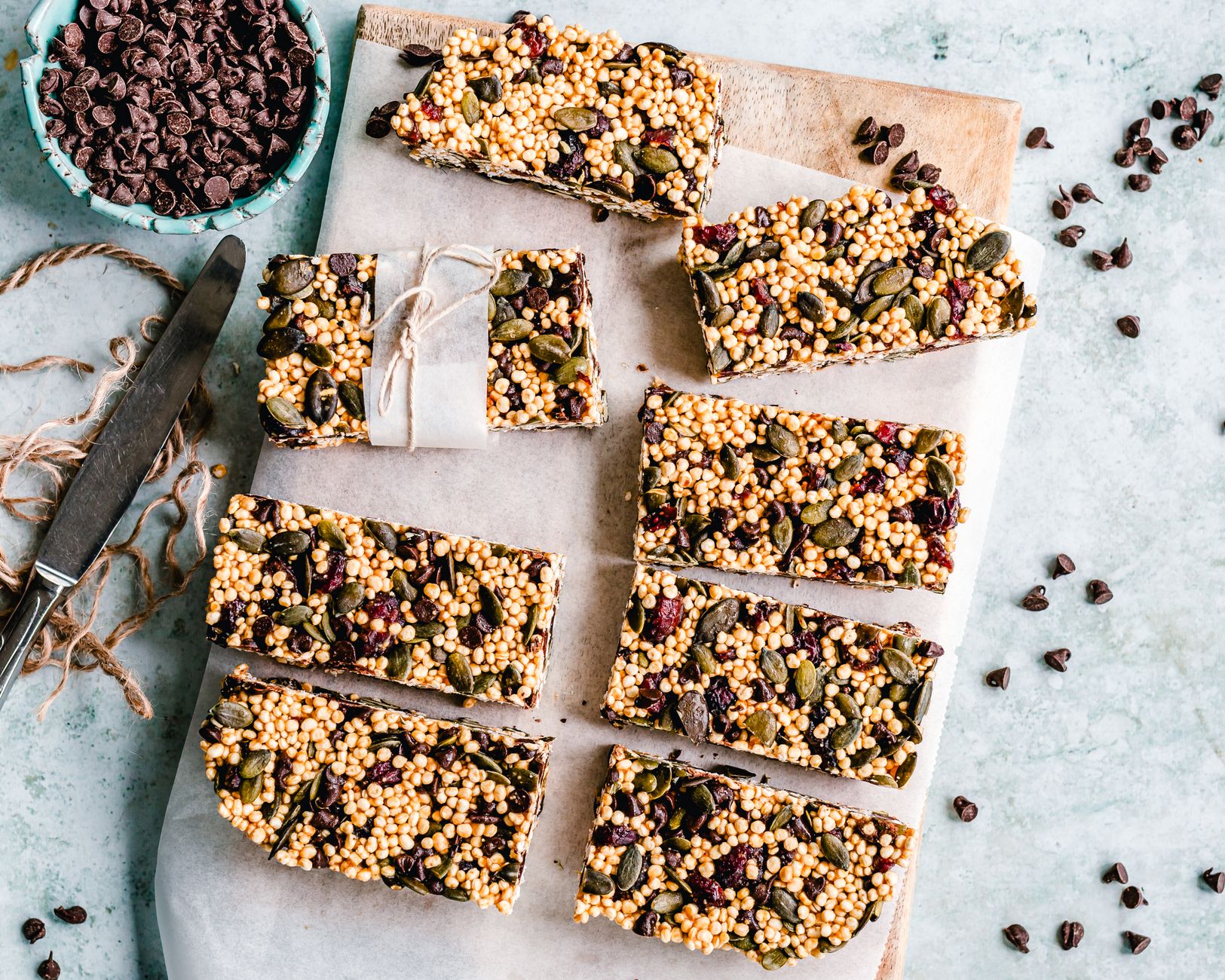
Sugar alcohols are increasingly becoming popular as sweeteners in protein bars, catering especially to individuals looking for low-sugar and low-carb alternatives. Understanding what sugar alcohols are, how they work in the body, and their nutritional implications can help consumers make informed decisions about their protein bar choices.
This guide will dive into the various aspects of sugar alcohols in protein bars, including their types, benefits and drawbacks, how they compare to other sweeteners, and practical information for those looking to incorporate protein bars into their diets.
What Are Sugar Alcohols in Protein Bars?
Sugar alcohols are a type of carbohydrate that occurs naturally in some fruits and vegetables. They are commonly used as low-calorie sweeteners in a variety of foods, including protein bars, because they provide sweetness with fewer calories compared to sugar. Unlike regular sugars, sugar alcohols are not fully absorbed by the body, often resulting in lower blood sugar spikes.
Types of Sugar Alcohols
There are several types of sugar alcohols used in protein bars, each with its own characteristics:
- Sorbitol: Found naturally in many berries and stone fruits, sorbitol is about 60% as sweet as sucrose (table sugar) and has about 2.6 calories per gram.
- Mannitol: Commonly used in sugar-free products, mannitol has a sweetening power similar to sorbitol and provides around 1.6 calories per gram.
- Xylitol: This sugar alcohol is roughly as sweet as sugar but contains only 2.4 calories per gram. It is often found in chewing gum and dental products due to its dental health benefits.
- Erythritol: One of the most popular sugar alcohols for protein bars, erythritol is about 70% as sweet as sugar and has almost zero calories, making it a favorite for low-calorie formulations.
- Maltitol: This type offers about 90% of the sweetness of sugar with approximately 2.1 calories per gram and is often used in sugar-free chocolate and confections.
Benefits of Sugar Alcohols
Incorporating sugar alcohols into protein bars provides several advantages:
- Lower Caloric Content: Sugar alcohols generally have fewer calories than traditional sugars, making them an attractive choice for those monitoring caloric intake.
- Less Impact on Blood Sugar: Sugar alcohols have a lower glycemic index, which means they result in smaller increases in blood sugar levels compared to regular sugars.
- Dental Health Benefits: Some sugar alcohols like xylitol may promote dental health by inhibiting harmful bacteria that lead to cavities.
- Sweetness without Guilt: They allow manufacturers to create sweet products without the caloric load of sugar, appealing to those on low-sugar or low-carb diets.
Drawbacks of Sugar Alcohols
While there are benefits, there are also some drawbacks to be aware of:
- Gastrointestinal Issues: Consumption of sugar alcohols may lead to digestive discomfort, including gas, bloating, or diarrhea, especially when consumed in large quantities.
- Variable Sweetness: Not all sugar alcohols have the same sweetness level. This variability may affect the taste and overall flavor profile of protein bars.
- Not Calorie-Free: While lower in calories, sugar alcohols still contribute calories to protein bars, which is important to consider if you’re counting every calorie.
Comparing Sugar Alcohols with Other Sweeteners
To better understand sugar alcohols, it can be useful to compare them to other common sweeteners:
Sugar
Traditional sugar (sucrose) contains about 4 calories per gram and significantly impacts blood sugar levels, making it less desirable for those managing their sugar intake.
Artificial Sweeteners
Artificial sweeteners like aspartame and sucralose are often zero-calorie options but may be linked to other health concerns. Unlike sugar alcohols, these substitutes do not offer the same texture or bulk that can impact the final product in protein bars.
Natural Sweeteners
Natural sweeteners like honey, agave, or maple syrup tend to have similar caloric values as sugar and may not fit into low-carb diets. They also have higher glycemic indices compared to sugar alcohols.
Nutrition Considerations
When evaluating a protein bar, it’s essential to consider the whole nutritional profile and not just the presence of sugar alcohols. Here are some key points to keep in mind:
- Read the Label: Look for the total amount of sugar alcohols listed on the nutrition label to understand the potential effects on digestion and calorie intake.
- Serving Size Counts: Be mindful of the serving size, since some products may contain multiple servings, significantly increasing sugar alcohol consumption.
- Balanced Diet: Incorporate protein bars as part of a balanced diet focusing on whole foods, with sugar alcohols being just one piece of the puzzle.
Choosing Protein Bars with Sugar Alcohols
When selecting protein bars that contain sugar alcohols, consider the following factors:
Ingredient Quality
Check for high-quality ingredients rather than fillers or artificial preservatives. Look for bars that list whole foods like nuts, seeds, or natural protein sources.
Identify Your Health Goals
Decide what your nutritional goals are, such as low-carb, low-sugar, or high-protein. This can guide your choices and ensure you select bars that align with your dietary needs.
Flavor Preferences
Taste is subjective. Experiment with different brands and flavors that contain sugar alcohols to find ones that you enjoy and that fulfill your nutritional requirements.
Practical Tips for Using Sugar Alcohols in Your Diet
Integrating sugar alcohols into your diet can be managed effectively with a few practical tips:
Moderation is Key
Start with small amounts of sugar alcohols to gauge your body’s response. This approach can help minimize potential gastrointestinal issues.
Balanced Intake
When consuming protein bars with sugar alcohols, consider balancing them with fiber-rich foods, hydrating adequately, and consuming other nutrients to support digestive health.
DIY Protein Bars
If you’re feeling adventurous, consider making your own protein bars! This way, you can control the ingredients and the amount of sugar alcohols used. Here’s a simple recipe idea:
- Gather Ingredients: Combine oats, protein powder, nut butter, and a sugar alcohol of your choice.
- Mix Thoroughly: Ensure all ingredients are evenly incorporated. Add honey or syrup if you’d like a blend of sweeteners.
- Set and Refrigerate: Press the mixture into a square baking dish and refrigerate until firm before cutting into bars.
Storage and Shelf Life of Protein Bars
Proper storage of protein bars is crucial to maintaining their quality and freshness:
- Keep Them Cool: Store protein bars in a cool, dry place or refrigerate to prevent spoiling, especially if homemade.
- Check Expiration Dates: For store-bought bars, always check the expiration date for optimal freshness and flavor.
- Resealable Packaging: If opened, try to reseal the product or move it to an airtight container to prolong its shelf life.
Common Mistakes to Avoid
Here are common pitfalls to watch out for when choosing or consuming protein bars with sugar alcohols:
- Overindulgence: Consuming excessive amounts of sugar alcohols can lead to digestive issues; moderation is vital.
- Ignoring Other Ingredients: Focusing solely on sugar alcohol content can lead to missed information about other less healthy ingredients.
- Substituting Carelessly: If you are trying to replace sugar in recipes, not all sugar alcohols will behave the same in baking due to differences in sweetness and moisture retention.
Conclusion
Understanding sugar alcohols in protein bars can significantly influence your dietary choices. They provide sweetening power with fewer calories and lower impacts on blood sugar, making them appealing for those on specific dietary plans. However, it’s essential to be aware of possible digestive issues and to read labels carefully.
With this knowledge, you can better explore and enjoy protein bars while considering how sugar alcohols fit into your healthy eating habits. For those interested in making your own delicious snacks, try our protein brownies recipe or protein cookies recipe to enjoy the benefits of protein and flavor without too much sugar.