
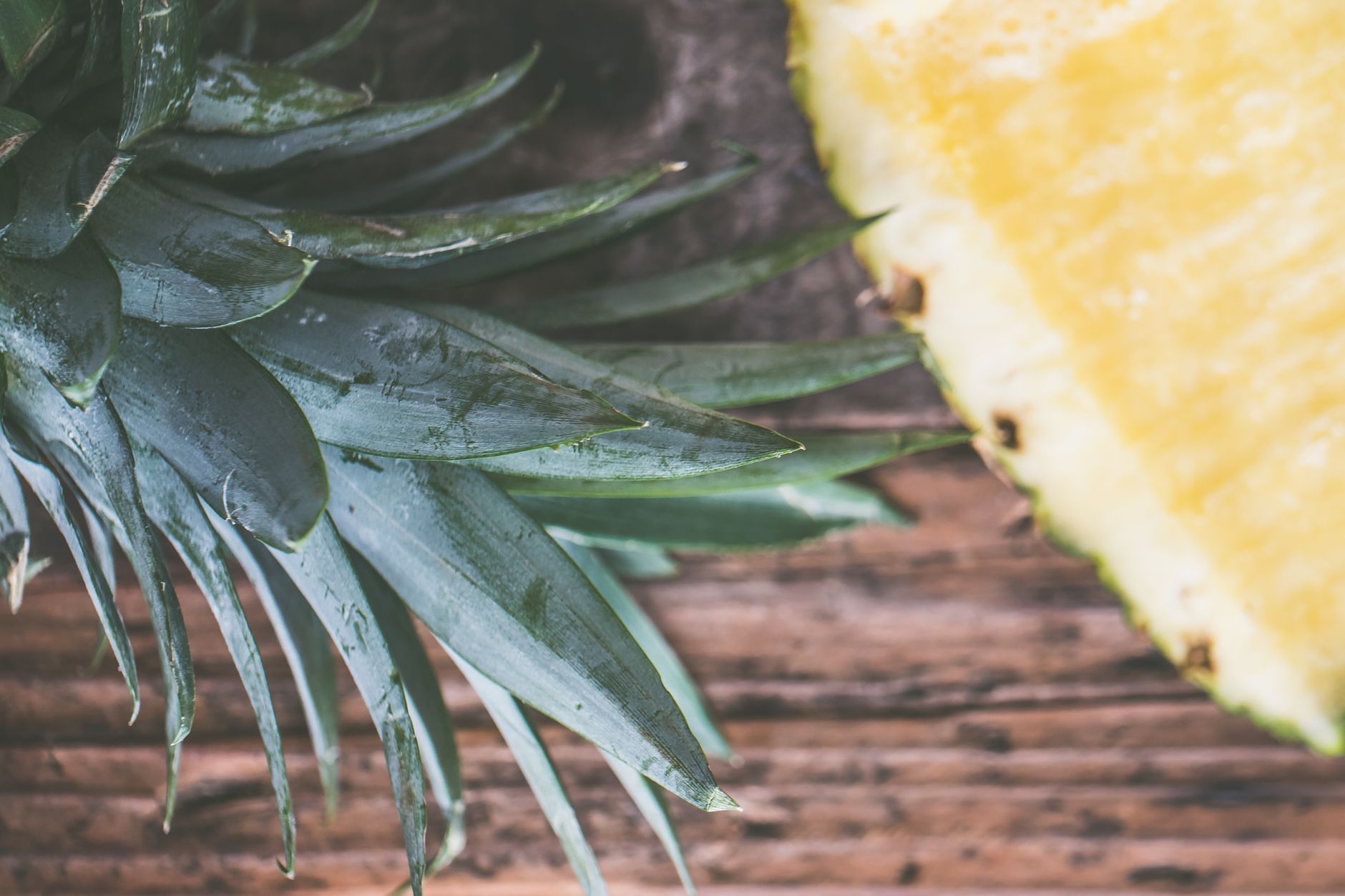
Pineapple, a tropical fruit renowned for its juicy sweetness, has long been a cherished ingredient in various cuisines and recipes. With its vibrant flavor and unique texture, many wonder, is pineapple good for you? The answer reveals not only its deliciousness but also its potential health benefits and nutritional profile.
This article delves into the nutritional elements of pineapple, potential health benefits, ways to incorporate it into your diet, and some thoughtful considerations regarding consumption.
Is Pineapple Good for You?
Yes, pineapple is generally good for you as it is rich in vitamins, minerals, and antioxidants. It supports digestion, boosts immunity, and may contribute to overall health. However, it is essential to consume it in moderation, particularly for those with certain health conditions like diabetes.
Nutritional Profile of Pineapple
A typical serving of fresh pineapple (about one cup, or 165 grams) contains the following:
- Calories: 82
- Protein: 0.9 grams
- Fat: 0.2 grams
- Carbohydrates: 21.6 grams
- Dietary Fiber: 2.3 grams
- Sugar: 16.3 grams
- Vitamin C: 78.9 mg (about 88% of the Daily Value)
- Manganese: 1.5 mg (about 76% of the Daily Value)
- Vitamin B6: 0.2 mg (about 9% of the Daily Value)
- Copper: 0.2 mg (about 10% of the Daily Value)
- Thiamin: 0.1 mg (about 10% of the Daily Value)
Vitamins and Minerals
Pineapple is packed with several essential vitamins and minerals:
- Vitamin C: A powerful antioxidant that supports immune function and skin health.
- Manganese: An important mineral that plays a role in bone formation and antioxidant defense.
- B Vitamins: Particularly B6 and thiamine which are critical for metabolism and energy production.
- Copper: Necessary for the formation of red blood cells and maintaining healthy bones.
Health Benefits of Pineapple
Pineapple is not just a flavorful addition to your meals; it also boasts several health benefits that make it a great choice for a balanced diet.
1. Supports Digestive Health
Pineapple contains bromelain, an enzyme that aids in the digestion of proteins. This can be particularly beneficial for those who experience digestive issues. Additionally, the high fiber content in pineapple contributes to a healthy digestive tract.
2. Boosts Immunity
The high vitamin C content found in pineapple helps strengthen the immune system. Regular consumption can aid in preventing colds and other illnesses by enhancing the body’s ability to fight off infections.
3. Anti-Inflammatory Properties
Bromelain not only aids digestion but also has anti-inflammatory effects. This can be especially helpful for people suffering from conditions like arthritis or sinus inflammation, providing relief by reducing swelling and pain.
4. Antioxidant-Rich
Pineapple is rich in antioxidants, which help combat oxidative stress in the body. These antioxidants work to neutralize free radicals, reducing the risk of chronic diseases such as heart disease and cancer.
5. May Aid Weight Management
Because pineapple is low in calories and high in water content, it can be a satisfying snack that helps control hunger. The fiber content also aids in satiety, making it a suitable choice for those looking to manage their weight.
Incorporating Pineapple into Your Diet
Adding pineapple to your meals and snacks is simple and versatile. Here are some ideas to help you enjoy this delicious fruit:
Fresh and Raw
Enjoy pineapple in its natural state by slicing it into rings or chunks. Fresh pineapple can add a tropical twist to fruit salads, yogurt, or smoothies.
Cooking and Grilling
Pineapple can be used in savory dishes as well. Grilling pineapple caramelizes its sugars, enhancing its sweetness. It pairs wonderfully with meats like chicken and pork. Consider adding grilled pineapple to kabobs or serving it as a side dish.
Beverages
Use pineapple juice in cocktails, mocktails, or smoothies. You can also blend pineapple with coconut milk for a refreshing piña colada-style drink or mix it into your morning smoothie for a tropical boost.
Baking
Pineapple can be a delightful addition to baked goods, too. Try including crushed pineapple in cakes, muffins, or even as a topping for pizza. A popular option is a classic upside-down cake, where the fruit is caramelized in brown sugar syrup before baking.
Possible Considerations with Pineapple
While pineapple offers numerous health benefits, there are a few things to keep in mind before including it regularly in your diet:
1. High Sugar Content
Pineapple is naturally sweet and contains a significant amount of sugar, which may be a concern for individuals managing blood sugar levels, such as those with diabetes. Moderation is key.
2. Acidic Nature
The acidity in pineapples can potentially cause discomfort for some people, especially those with acid reflux or sensitive stomachs. If you notice any adverse reactions, it may be best to limit your intake.
3. Allergic Reactions
Some individuals may experience allergic reactions to bromelain or other compounds in pineapple. Symptoms can include itching, swelling, or skin irritation. If you suspect an allergy, consult a health professional.
Fun Ways to Enjoy Pineapple
For those looking to indulge their taste buds, here are some fun ways to enjoy pineapple beyond just slicing and serving:
Pineapple Salsa
Mix chopped pineapple with tomatoes, onions, cilantro, and lime juice to create a refreshing salsa. Serve it with grilled fish or chicken for a vibrant, flavorful dish.
Pineapple Smoothie
Blend pineapple with spinach, banana, and almond milk for a nutritious smoothie. For a specific recipe, check out our Pineapple Smoothie Recipe.
Pineapple Chunks with Chili Lime
Sprinkle fresh pineapple chunks with chili powder and lime juice for a sweet and spicy snack. This simple treatment elevates the natural flavors while providing a fun twist.
Storage and Preparation Tips
To maximize the freshness and taste of pineapple, here are some tips for storage and preparation:
Choosing Fresh Pineapple
When selecting a pineapple at the store, look for a firm fruit with a sweet aroma at the base. The leaves should be green and healthy; avoid fruits with dull, brown leaves or an overly soft exterior.
Storage
Whole pineapples can be kept at room temperature for a few days until ripe. Once cut, store pineapple in an airtight container in the refrigerator for up to four days. Consider freezing pieces of pineapple for longer storage; frozen pineapple can last up to six months.
Preparing Pineapple
To prepare pineapple, cut off the top and bottom, then carefully remove the skin using a sharp knife. Avoid cutting too deeply to retain as much of the fruit as possible. After peeling, slice the fruit into rings or chunks, removing the core as desired.
Conclusion
Pineapple stands out not only for its sweet and tangy flavor but also for its many health benefits. Its impressive nutritional profile makes it a wonderful addition to any diet. By incorporating pineapple into various meals and snacks, you can enjoy its deliciousness while bolstering your health. Always keep in mind individual dietary needs and moderation to fully appreciate the benefits of this tropical delight.
Explore related recipes and tips for incorporating pineapple and other nutritious ingredients into your meals today!