
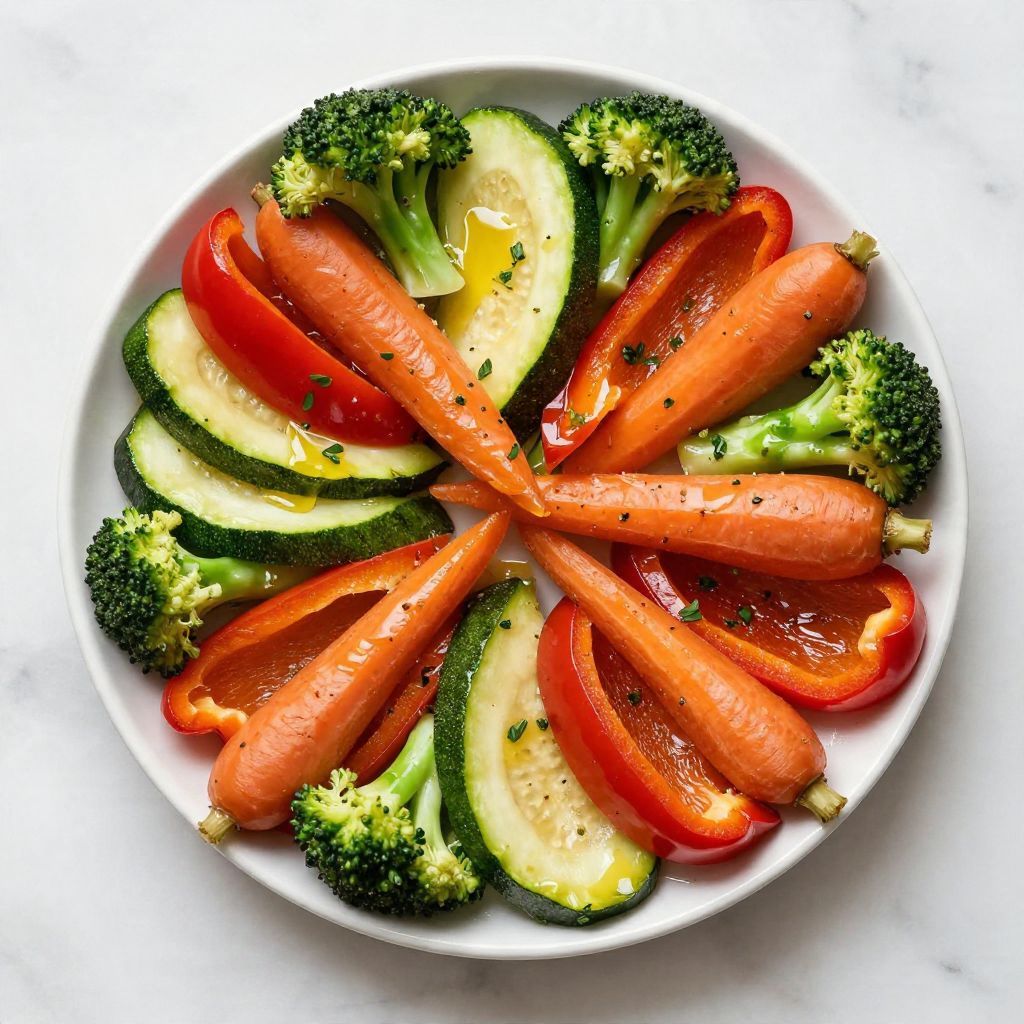
There’s something undeniably comforting about a bowl of colorful, sautéed vegetables. The aroma fills the kitchen, transporting you back to family dinners where vibrant dishes stole the show. This Vegetable Recipe is special because it brings together a medley of fresh produce, making it a versatile side or a delightful main course. With its crisp-tender texture and a burst of flavor, you’ll find yourself coming back to it again and again. Ready to fill your plate with nature’s best? Let’s get cooking!
Why You’ll Love This Recipe
This dish is a fantastic way to enjoy seasonal vegetables and can be tailored to suit any taste.
- Quick to prepare, perfect for busy weeknights.
- Loaded with nutrients and flavor, making it a healthy choice.
- Versatile enough to pair with any protein or grain.
- Easy to customize based on what you have on hand.
- Brightens up any meal with its colorful presentation.
My Experience Making This Recipe
As I prepped the vegetables, the vibrant colors made my kitchen feel like a mini farmer’s market. Each chop and slice released an enticing aroma that had my family peeking in, curious about what was cooking.
When I finally served this dish, the smiles around the table were priceless. It was a hit, and I couldn’t help but feel proud of creating something so simple yet satisfying.
Recipe Overview
- Recipe Name: Vegetable Recipe
- Servings: 4
- Prep Time: 10 minutes
- Cook Time: 15 minutes
- Total Time: 25 minutes
- Course: Side Dish
- Cuisine: Global
- Calories per Serving: 150
Equipment You Will Need
- Chef’s knife
- Cutting board
- Large skillet or wok
- Wooden spoon or spatula
- Measuring cups and spoons
Ingredients for Vegetable Recipe
- 2 tablespoons olive oil
- 1 cup bell peppers, sliced (any color)
- 1 cup zucchini, sliced
- 1 cup broccoli florets
- 1 cup carrots, julienned
- 2 cloves garlic, minced
- 1 teaspoon salt
- 1/2 teaspoon black pepper
- 1 teaspoon dried oregano (optional)
- 1 tablespoon lemon juice (for serving)
Ingredient Notes and Substitutions
- Olive oil: It adds flavor and helps cook the veggies evenly. You can substitute it with avocado oil or any neutral oil.
- Bell peppers: These provide sweetness and color. Feel free to use other veggies like asparagus or green beans.
- Zucchini: This adds a soft texture. Yellow squash or eggplant can be great alternatives.
- Broccoli: A nutritional powerhouse and adds crunch. Cauliflower works well too.
- Carrots: They add sweetness and color. You can swap them for snap peas or corn.
How to Make Vegetable Recipe
Step 1: Prepare Your Vegetables
Start by washing and slicing all the vegetables. This ensures they cook evenly and quickly, giving you that perfect texture.
Step 2: Heat the Skillet
Place your skillet over medium heat and add olive oil. Heating the oil properly helps to sauté the vegetables effectively without making them soggy.
Step 3: Add Garlic
Once the oil is hot, add the minced garlic. Sauté it for about 30 seconds until fragrant, but be careful not to burn it.
Step 4: Toss in the Carrots
Add the julienned carrots first since they take longer to cook. Stir them for about 2 minutes to soften slightly.
Step 5: Add Broccoli
Next, toss in the broccoli florets. This gives them time to become tender while still maintaining some crunch.
Step 6: Incorporate Bell Peppers and Zucchini
Add the sliced bell peppers and zucchini to the skillet. Stir-fry everything together for another 3-4 minutes until all the veggies are vibrant and tender.
Step 7: Season the Vegetables
Sprinkle salt, black pepper, and oregano over the mixture. These seasonings enhance the natural flavors of the vegetables.
Step 8: Finish and Serve
Remove the skillet from heat and drizzle with lemon juice for brightness. Serve warm, and enjoy your colorful dish!
Pro Tip: Always cut your vegetables into similar sizes for even cooking.
Tips for the Best Vegetable Recipe
- Use seasonal vegetables for the freshest flavor.
- Don’t overcrowd the pan; it can lead to steaming instead of sautéing.
- Adjust the cooking time based on your desired level of tenderness.
- Add a splash of soy sauce or balsamic vinegar for extra depth.
- Top with fresh herbs like basil or parsley for a burst of flavor.
Common Mistakes to Avoid
- Overcooking the vegetables can make them mushy. Aim for crisp-tender for the best texture.
- Not seasoning enough. A little salt and pepper go a long way in enhancing flavors.
- Using cold oil. Always heat your oil first to prevent sticking and ensure proper cooking.
- Cutting vegetables unevenly. This leads to uneven cooking, which can be frustrating.
- Not tasting as you go. Adjusting flavors during cooking helps you achieve the perfect balance.
Serving Suggestions
This vegetable medley pairs beautifully with a variety of dishes. Consider these options:
- Serve alongside grilled chicken or fish.
- Pair with quinoa or rice for a healthy grain option.
- Top with roasted chickpeas for added protein.
- Mix with pasta for a delightful veggie pasta dish.
- Enjoy as a filling in wraps or tacos.
Variations to Try
- Add spicy peppers for a kick of heat.
- Incorporate different herbs like thyme or rosemary for varied flavors.
- Use a stir-fry sauce for an Asian twist.
- Add nuts like almonds or cashews for crunch.
- Mix in some spinach or kale for added greens.
Dietary Adaptations
- Gluten-free: This recipe is naturally gluten-free.
- Dairy-free: No dairy is used, making it suitable for dairy-free diets.
- Vegan/Vegetarian: It is completely plant-based and vegan-friendly.
- Low-carb/Keto: Focus on non-starchy vegetables to keep carbs low.
Storage and Reheating
Refrigerator
Store any leftovers in an airtight container for up to three days.
- Allow to cool before sealing.
- Refrigerate promptly to maintain freshness.
Freezer
This dish can be frozen, but some veggies may lose texture. Use within one month for the best quality.
- Pack in freezer-safe bags, removing excess air.
- Label with the date for easy tracking.
Reheating
Reheat in a skillet over medium heat until warmed through, or microwave in short increments.
- Add a splash of water when microwaving to create steam.
- Stir occasionally for even heating.
Nutrition Information
| Nutrient | Amount |
|---|---|
| Calories | 150 |
| Total Fat | 8g |
| Saturated Fat | 1g |
| Carbohydrates | 20g |
| Fiber | 6g |
| Sugar | 4g |
| Protein | 3g |
| Sodium | 300mg |
| Cholesterol | 0mg |
This nutritional information is approximate and may vary based on specific ingredients used.
Frequently Asked Questions
Can I make this vegetable recipe ahead of time?
Yes, you can prep the veggies beforehand and store them in the fridge until you’re ready to cook.
What can I substitute for olive oil?
Any neutral oil like canola or avocado oil works just as well.
How can I store leftovers?
Keep leftovers in an airtight container in the fridge for up to three days.
Why are my vegetables soggy?
This usually happens if the pan is overcrowded. Make sure to give them space to sauté properly.
Can I add protein to this recipe?
Absolutely! Adding tofu or chicken can make it a complete meal.
Final Thoughts
This Vegetable Recipe is not just a dish; it’s a celebration of freshness and flavor. Give it a try, and enjoy the delightful crunch and vibrant colors on your plate!
If you’re looking to explore more delicious vegetable dishes, check out Hibachi Vegetables or try the Thai Eggplant Recipe for more culinary inspiration.
Vegetable Recipe
Ingredients
Equipment
Method
- Start by washing and slicing all the vegetables.
- Place your skillet over medium heat and add olive oil.
- Once the oil is hot, add the minced garlic and sauté it for about 30 seconds.
- Add the julienned carrots first and stir for about 2 minutes.
- Toss in the broccoli florets and cook until tender.
- Add the sliced bell peppers and zucchini, and stir-fry for another 3-4 minutes.
- Sprinkle salt, black pepper, and oregano over the mixture.
- Remove from heat and drizzle with lemon juice before serving.