
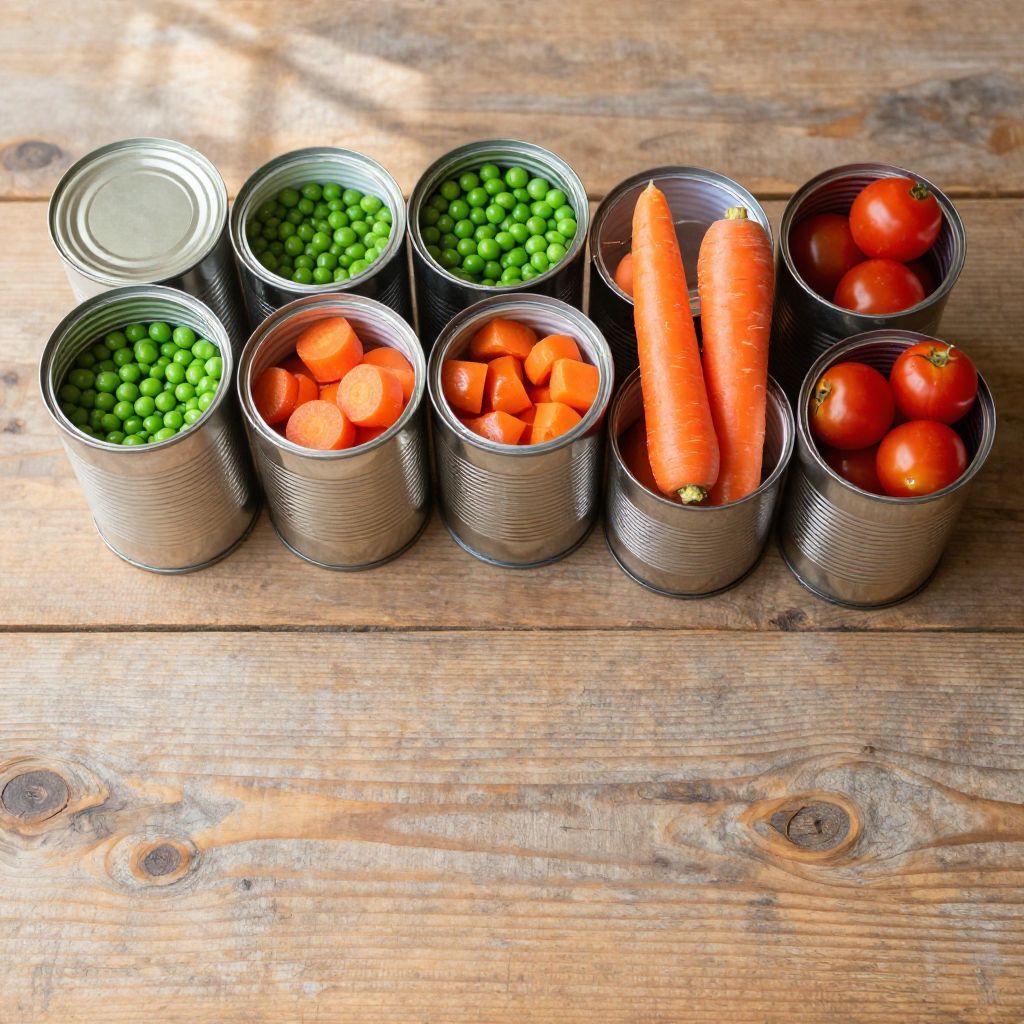
Canned vegetables are a common staple in many households, offering convenience and a long shelf life. They’re not just handy for quick meals, but they can also be a great way to incorporate nutrients into your diet. This article will explore the various uses of canned vegetables, including their nutritional benefits, cooking techniques, serving ideas, and practical tips for incorporating them into your everyday meals.
Understanding how to make the best use of canned vegetables can elevate your cooking and help you create delicious meals with minimal effort. Whether you’re a busy professional, a student, or a home cook looking for efficiency, knowing how to handle canned vegetables can make meal preparation much simpler.
What are Canned Vegetables and How are They Made?
Canned vegetables are simply vegetables that have been preserved in a can through a process of cooking and sealing. The canning process involves cooking the vegetables at high temperatures, which helps in destroying bacteria and enzymes that could lead to spoilage. This process also allows vegetables, which may otherwise go to waste, to stay fresh for long periods, often for years when stored properly.
Common types of canned vegetables include green beans, corn, peas, carrots, and tomatoes. These vegetables are usually packed in water, brine, or a sauce, and the canning process maintains their flavor and nutritional content.
Understanding the Nutritional Value of Canned Vegetables
One of the significant benefits of canned vegetables is that they retain much of their original nutritional value. They are generally rich in vitamins and minerals, essential for a balanced diet. For instance, canned tomatoes are a good source of lycopene, which is known for its antioxidant properties.
However, it’s essential to pay attention to sodium content, as many canned vegetables are preserved with added salt. Choosing low-sodium options or rinsing canned vegetables before using them can help reduce salt intake. Additionally, many canned vegetables are packed during their peak harvest time, which can mean they are just as nutritious as their fresh counterparts.
Kitchen Uses for Canned Vegetables
Canned vegetables can be utilized in various ways in the kitchen. Here are some popular methods:
- Soups and Stews: Canned vegetables can instantly add flavor and texture to soups and stews. Simply add them to the pot along with your broth and other ingredients.
- Stir-Fries: Incorporating canned vegetables into stir-fries is a quick way to enhance your meal with added nutrients. Their tenderness complements the crunch of fresh vegetables.
- Casseroles: Many casserole recipes call for canned vegetables as a base ingredient. They can provide moisture and flavor while simplifying the cooking process.
- Salads: Easily enhance salads with the addition of canned corn, peas, or green beans. Just drain and rinse for a refreshing touch.
- Side Dishes: Heat canned vegetables and season them to serve as simple side dishes. Great for a no-fuss meal.
Recipes Featuring Canned Vegetables
Canned vegetables can shine in various recipes. Here are some ideas to inspire your cooking:
Creamy Vegetable Soup
This comforting creamy vegetable soup makes use of canned vegetables for a quick and satisfying meal.
- Yield: 4 servings
- Preparation Time: 10 minutes
- Cooking Time: 20 minutes
- Total Time: 30 minutes
Ingredients:
- 1 can (15 oz) of mixed vegetables
- 1 onion, chopped
- 2 cloves garlic, minced
- 4 cups vegetable broth
- 1 cup heavy cream
- Salt and pepper to taste
- 2 tablespoons olive oil
Essential Equipment:
- Large pot
- Blender or immersion blender
- Spoon for stirring
Method:
- In a large pot, heat the olive oil over medium heat. Add the chopped onion and garlic; sauté until translucent, about 5 minutes.
- Add the canned mixed vegetables with their juices and the vegetable broth. Bring to a boil.
- Reduce the heat and let simmer for about 10 minutes to let the flavors meld.
- Using a blender or immersion blender, puree the soup to your desired consistency.
- Stir in the heavy cream, and season with salt and pepper to taste. Serve hot.
Vegetable Casserole
This vegetable casserole is an easy dish that can be made in advance and is perfect for leftovers.
- Yield: 6 servings
- Preparation Time: 15 minutes
- Cooking Time: 30 minutes
- Total Time: 45 minutes
Ingredients:
- 2 cans (15 oz each) of green beans, drained
- 1 can (15 oz) of corn, drained
- 1 can (15 oz) of diced tomatoes, drained
- 1 cup shredded cheddar cheese
- 1 cup breadcrumbs
- 2 tablespoons olive oil
- 1 teaspoon garlic powder
- Salt and pepper to taste
Method:
- Preheat your oven to 375°F (190°C).
- In a large bowl, combine the drained green beans, corn, diced tomatoes, half of the cheddar cheese, olive oil, garlic powder, salt, and pepper.
- Transfer the mixture into a greased casserole dish. Top with the remaining cheese and breadcrumbs.
- Bake for 25-30 minutes until heated through and the top is golden brown.
Practical Tips for Using Canned Vegetables
Here are some practical tips to maximize the use of canned vegetables in your kitchen:
- Store Properly: Ensure you store canned vegetables in a cool, dry place. Check expiration dates and rotate your stock to use older cans first.
- Rinse When Necessary: Rinse canned vegetables under running water to reduce sodium content and remove any canning juices that might alter the flavor.
- Add Fresh Ingredients: Enhance the flavor of canned vegetables by adding fresh herbs, spices, or a squeeze of lemon juice.
- Use in Meal Prep: Incorporate canned vegetables into meal-prep staples such as grain bowls, salads, and casseroles, ensuring you have quick meals ready to go.
Common Mistakes to Avoid When Using Canned Vegetables
While canned vegetables are convenient, it’s easy to misstep in their preparation. Here are some common mistakes and how to avoid them:
- Not Reading Labels: Always check the label for added ingredients like preservatives or excessive sodium. Opt for low-sodium options when available.
- Overcooking: Since canned vegetables are already cooked, adding them too early in a cooking process can lead to a mushy texture. Add them late to preserve their structure.
- Ignoring Flavor Enhancements: Don’t forget to season your canned vegetables. Fresh herbs, spices, and acid can elevate their flavor significantly.
- Neglecting to Rinse: Rinsing can help remove some of the excess sodium and improve the overall taste.
Storage and Reheating of Canned Vegetables
Canned vegetables are meant to be shelf-stable when unopened. However, once a can is opened, it’s essential to store leftovers properly. Here’s how:
- Refrigeration: Store any unused canned vegetables in an airtight container in the refrigerator. Use within three to five days for the best taste and safety.
- Reheating: When reheating, use a saucepan over medium heat until heated through. Avoid microwaving directly in the can, as this can lead to uneven heating and alter the can’s material.
Serving Ideas for Canned Vegetables
Canned vegetables can be served in numerous ways to create satisfying meals. Here are some diverse and tasty serving ideas:
- Vegetable Stir-Fry: Mix your choice of canned vegetables with fresh vegetables and toss them in a flavorful sauce for a quick stir-fry dish.
- Pasta Dishes: Add canned vegetables directly into pasta dishes. They combine well with tomato sauce to create rich flavors.
- Wraps and Tacos: Utilize canned vegetables as a filling for wraps or tacos, complemented with proteins and sauces.
- Frittatas: Incorporate drained canned vegetables into frittata mixtures for a nutritious breakfast option.
Ingredient Substitutions for Canned Vegetables
When you may not have canned vegetables on hand, there are several practical substitutions to consider:
Fresh Vegetables
If you have fresh vegetables available, you can use them instead. Here are some tips:
- For green beans, substitute with fresh snap peas.
- Corn can be substituted with fresh or frozen corn kernels.
- Use fresh diced tomatoes in place of canned tomatoes, but be aware that fresh tomatoes will release more water into the dish.
Frozen Vegetables
Frozen vegetables can also serve as an excellent alternative to canned, offering a similar convenience:
- Use frozen peas for their color and sweetness, similar to canned.
- Frozen mixed vegetable blends can replace canned mixed vegetables. Simply cook them according to package directions.
Exploring Regional Cuisines with Canned Vegetables
Canned vegetables can feature prominently in various international dishes, simplifying the preparation process while maintaining authentic flavors. Here are some examples:
- Minestrone Soup: An Italian staple that can easily incorporate canned beans, diced tomatoes, and green beans.
- Vegetable Curry: Canned chickpeas and tomatoes can form the base of a hearty curry, brightened with spices.
- Tortilla Soup: Use canned corn and diced tomatoes to create a flavorful base for this Mexican classic.
By understanding how to best use canned vegetables, you can make meal prep easier while enjoying a variety of flavorful dishes. They provide flexibility in cooking and are a valuable part of any well-stocked pantry.
In summary, canned vegetables offer convenience and versatility that can invigorate your meal planning. Their long shelf life and easy preparation make them a useful component in the kitchen. Don’t hesitate to explore various recipes and ideas to make the most of this resource.
For more delightful recipes, consider trying our Zucchini Relish Recipe or explore delicious ways to create potato balls that can complement your meals!