
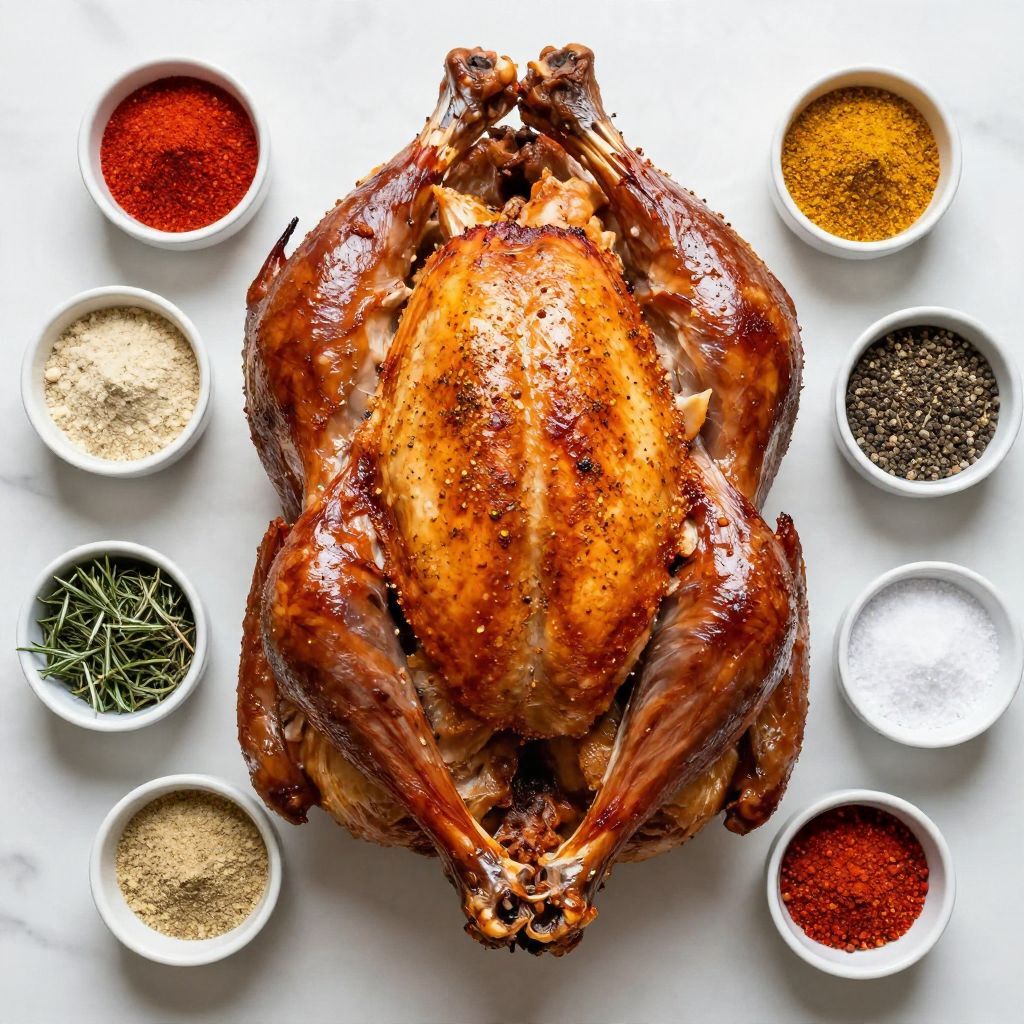
Picture a golden-brown turkey, its skin glistening with flavor, ready to take center stage at your holiday feast. That’s the magic of a perfect Turkey Seasoning Rub, a blend that elevates your bird from ordinary to unforgettable with just a sprinkle.
This recipe is a must-try for anyone who loves bold flavors and juicy meat. With a delightful mix of herbs and spices, it’s not just easy to make but also versatile enough to suit any occasion—thanksgiving, Sunday dinner, or even a cozy family gathering.
Why You’ll Love This Recipe
This seasoning rub packs a punch of flavor and is incredibly easy to whip up.
- Customizable to suit your taste.
- Perfect for roasting, grilling, or smoking.
- Enhances moisture and tenderness.
- Uses common pantry ingredients.
- Suitable for any type of turkey dish.
My Experience Making This Recipe
The first time I made this Turkey Seasoning Rub, I was amazed at how such simple ingredients could create such a flavorful impact. The aroma that filled my kitchen while it roasted was nothing short of heavenly.
Friends and family couldn’t get enough of the juicy turkey, and I found myself sharing the recipe more than I ever expected. Now, it’s my go-to whenever I want to impress!
Recipe Overview
- Recipe Name: Turkey Seasoning Rub
- Servings: Makes enough for a 12-14 pound turkey
- Prep Time: 10 minutes
- Cook Time: N/A
- Total Time: 10 minutes
- Course: Seasoning
- Cuisine: American
- Calories per Serving: Approximately 5 calories
Equipment You Will Need
- Mixing bowl
- Measuring spoons
- Whisk or fork
- Air-tight container for storage
- Brush for applying the rub
Ingredients for Turkey Seasoning Rub
- 2 tablespoons paprika
- 1 tablespoon garlic powder
- 1 tablespoon onion powder
- 1 tablespoon dried thyme
- 1 tablespoon dried rosemary
- 1 tablespoon black pepper
- 1 tablespoon salt
- 1 teaspoon cayenne pepper (optional for heat)
Ingredient Notes and Substitutions
- Paprika: Adds a rich color and mild flavor; smoked paprika can be used for a deeper taste.
- Garlic powder: Provides a robust garlic flavor; fresh minced garlic can be substituted but will change the texture.
- Dried thyme: Adds an earthy note; oregano can be swapped for a different herbal profile.
- Salt: Enhances overall flavors; kosher salt is a good substitute, just adjust the amount as needed.
- Cayenne pepper: Offers a kick; omit it for a milder rub or add to taste for more heat.
How to Make Turkey Seasoning Rub
Step 1: Gather Your Ingredients
Ensure all ingredients are measured and ready to go. This makes mixing smooth and efficient.
Step 2: Mix the Dry Ingredients
In a mixing bowl, combine paprika, garlic powder, onion powder, thyme, rosemary, black pepper, salt, and cayenne pepper if using. This step is crucial as it allows the flavors to meld together.
Step 3: Whisk Until Combined
Use a whisk or fork to thoroughly blend the spices. A uniform mix ensures every bite of turkey is equally flavorful.
Step 4: Taste and Adjust
Give the rub a taste and adjust the seasonings to your preference. This is your chance to personalize the flavor profile!
Step 5: Apply the Rub
Use your hands or a brush to evenly coat the turkey with the seasoning rub. Make sure to get into all the nooks and crannies for maximum flavor.
Step 6: Let It Rest
Allow the turkey to rest for at least 30 minutes after applying the rub. This resting period helps the flavors penetrate the meat.
Step 7: Cook Your Turkey
Prepare your turkey according to your preferred cooking method. Whether roasting, grilling, or smoking, this rub will shine.
Step 8: Enjoy!
Once cooked, let the turkey rest before carving. This step keeps the juices locked in, ensuring a moist and delicious meal.
Pro Tip: Always season your turkey the night before for a deeper flavor.
Tips for the Best Turkey Seasoning Rub
- Use fresh spices for the best flavor impact.
- Experiment with adding brown sugar for a sweet twist.
- Massage the rub under the skin for extra moisture and flavor.
- Store any leftover rub in an airtight container for future use.
- Consider adding citrus zest for a bright note.
Common Mistakes to Avoid
- Not letting the rub rest on the turkey long enough; this limits flavor absorption.
- Using stale spices; always check freshness for the best results.
- Over-salting; balance is key to avoid overpowering the meat.
- Applying the rub too late; the flavors need time to develop.
- Skipping the rest period after cooking; this leads to a dry turkey.
Serving Suggestions
This seasoned turkey pairs beautifully with rich sides and refreshing salads.
- Garlic mashed potatoes
- Cranberry sauce
- Green bean almondine
- Stuffing
- Roasted vegetables
Variations to Try
- Add maple syrup for a sweet and savory blend that caramelizes beautifully.
- Incorporate lemon zest for a fresh citrus flavor that brightens the dish.
- Try using chili powder for a more robust heat profile.
- Mix in Italian seasoning for a different herbal twist.
- Experiment with cumin for a warm, earthy flavor.
Dietary Adaptations
- Gluten-free: This rub is naturally gluten-free, making it safe for those with gluten sensitivities.
- Dairy-free: Contains no dairy ingredients, perfect for dairy-free diets.
- Vegan/Vegetarian: While this rub is for turkey, it can easily be adapted for vegetables or tofu.
- Low-carb/Keto: The rub is low in carbs, fitting perfectly into a keto meal plan.
Storage and Reheating
Refrigerator
Store any leftover turkey in an airtight container in the fridge.
- Keep for up to 4 days.
- Ensure it is fully cooled before sealing.
Freezer
Leftover turkey can be frozen for longer storage.
- Wrap in foil or freezer bags.
- Can be kept for up to 3 months.
Reheating
Reheat the turkey gently to retain moisture.
- Use an oven at 325°F for best results.
- Add a splash of broth to keep it juicy.
Nutrition Information
| Nutrient | Amount |
|---|---|
| Calories | 5 |
| Total Fat | 0g |
| Saturated Fat | 0g |
| Carbohydrates | 1g |
| Fiber | 0g |
| Sugar | 0g |
| Protein | 0g |
| Sodium | 200mg |
| Cholesterol | 0mg |
This information is based on approximate values and can vary based on specific ingredients used.
Frequently Asked Questions
Can I use fresh herbs instead of dried?
Yes, you can use fresh herbs, but you’ll want to use about three times the amount as dried herbs are more concentrated.
Can I make this rub ahead of time?
Absolutely! It can be made weeks in advance and stored in an airtight container.
How do I store leftover rub?
Keep any leftover rub in an airtight container in a cool, dry place for up to six months.
What if my turkey is frozen?
Make sure to thaw your turkey completely before applying the rub for even seasoning.
Will this work for other meats?
Yes! This rub is excellent on chicken, pork, and even vegetables.
Final Thoughts
Creating this Turkey Seasoning Rub is a simple yet impactful way to amplify your turkey’s flavor. I hope you find joy in making it as much as I do and that it brings smiles to your table.
For more delicious recipes, check out my Turkey Seasoning Recipe and Turkey Rub Recipe. Happy cooking!
Turkey Seasoning Rub
Ingredients
Equipment
Method
- Gather all ingredients and measure them out.
- In a mixing bowl, combine paprika, garlic powder, onion powder, thyme, rosemary, black pepper, salt, and cayenne pepper if using.
- Use a whisk or fork to thoroughly blend all the spices until well mixed.
- Taste the rub and adjust seasonings as desired.
- Apply the rub evenly on the turkey with your hands or brush.
- Let the turkey rest for at least 30 minutes to allow flavors to penetrate.
- Cook the turkey using your preferred method (roasting, grilling, or smoking).
- Once cooked, let the turkey rest before carving.