
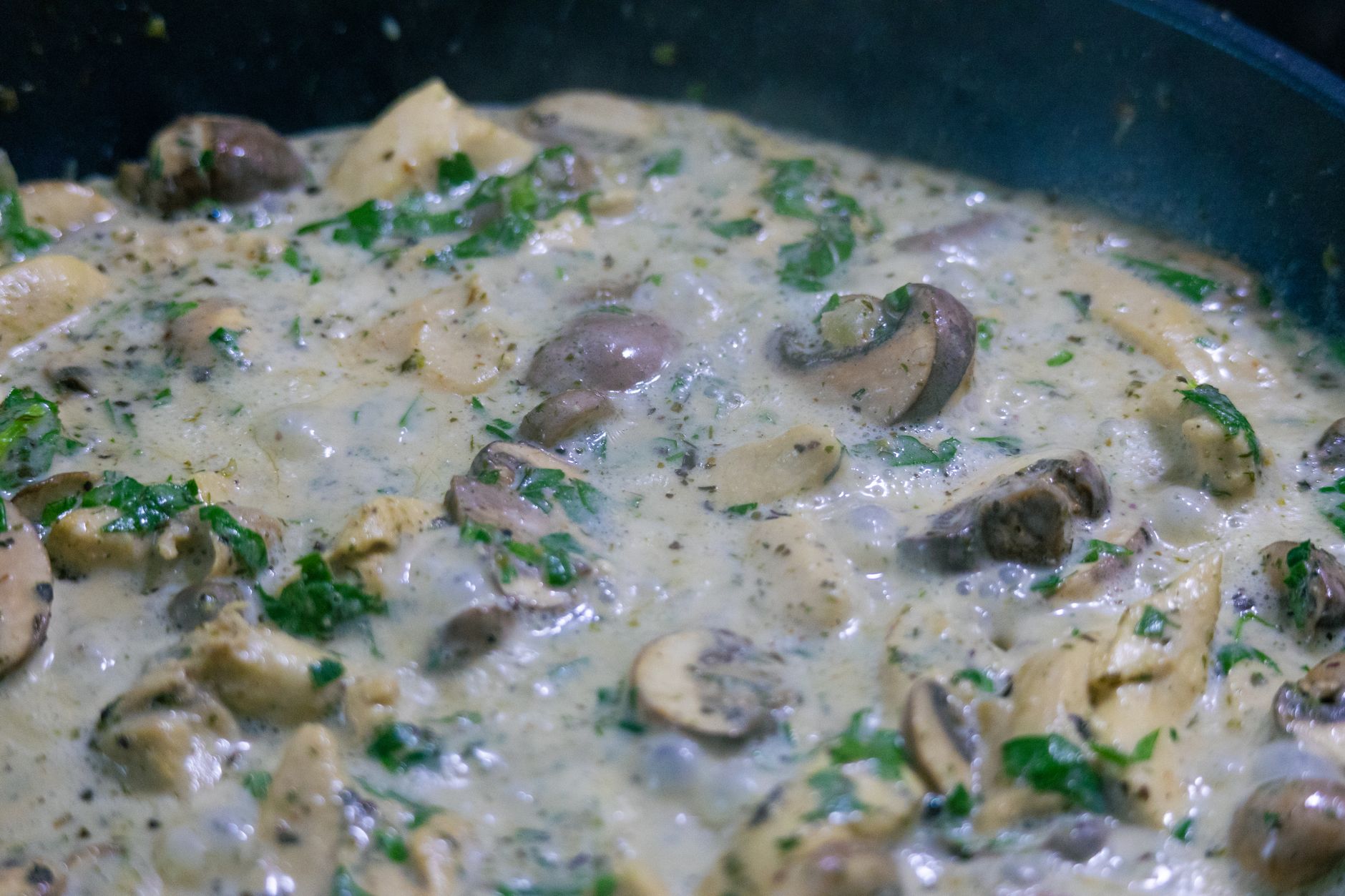
When diving into the world of cooking, understanding the ingredients you use is essential for achieving the desired tastes and textures. Two common dairy products often encountered are cooking cream and heavy cream. This article explores whether cooking cream is the same as heavy cream, highlighting their differences and culinary applications.
Cooking cream and heavy cream have distinct characteristics that impact their use in various recipes. While they both serve as versatile ingredients in the kitchen, knowing when to use each can elevate your dishes and enhance flavor profiles.
Is Cooking Cream The Same As Heavy Cream?
No, cooking cream is not the same as heavy cream. The two products differ in terms of fat content, texture, and intended culinary uses. Cooking cream typically has lower fat content, making it less suitable for whipping but excellent for cooking and saucing. In contrast, heavy cream contains a higher fat percentage, lending it to a creamier texture and greater versatility in both cooking and baking.
Understanding Cooking Cream
Cooking cream is primarily designed for culinary applications. It usually contains a fat content ranging from 15 to 30 percent, which makes it perfect for adding rich flavor and creaminess to dishes without overwhelming them. Here are some key aspects to consider:
Composition and Fat Content
Cooking cream generally has a lower fat content compared to heavy cream, typically around 20 percent. This lower fat content allows it to blend well in sauces without curdling, making it ideal for dishes that require a creamy consistency without the heaviness of heavy cream.
Culinary Uses
Cooking cream works wonderfully in a variety of savory dishes, such as:
- Soups and chowders
- Pasta sauces
- Stovetop casseroles
- Omelettes and scrambled eggs
It can also be used in lighter desserts, although it will not create the same fluffy texture when whipped.
Understanding Heavy Cream
Heavy cream, also known as heavy whipping cream, is a rich dairy product with a higher fat content, typically between 36 and 40 percent. This makes it a staple in various culinary applications, especially those that call for creating a rich texture and stable structure.
Composition and Fat Content
The high-fat content in heavy cream contributes to its creamy, luxurious texture. The higher the fat content, the more stable the cream, allowing it to hold its shape when whipped. Heavy cream can easily be whipped into soft peaks and even stiff peaks, making it perfect for desserts.
Culinary Uses
Heavy cream finds its way into many dishes, including:
- Cream-based soups
- Custards and puddings
- Desserts like mousses and whipped toppings
- Sauces that need to be thickened, such as Alfredo
- Ice creams
Its versatility extends to savory dishes as well, where it can add depth and richness.
Key Differences Between Cooking Cream and Heavy Cream
To make informed choices in the kitchen, consider the following differences between cooking cream and heavy cream:
1. Fat Content
The most significant difference is the fat content. Cooking cream has lower fat content (15-30 percent), while heavy cream ranges from 36-40 percent. This distinction affects how each cream performs in cooking and baking.
2. Whippability
Heavy cream can be whipped to create light, airy textures perfect for toppings and desserts. Cooking cream, with its lower fat content, does not whip as well, making it unsuitable for applications that require a stable whipped cream.
3. Sauce Stability
Cooking cream is excellent for maintaining stable sauces and preventing curdling, thanks to its formulation. Heavy cream can also stabilize sauces but is more prone to curdling if boiled or heated excessively due to its high fat content.
4. Flavor Profile
Heavy cream has a richer, creamier flavor due to its higher fat content, while cooking cream offers a lighter taste, making it a good choice for dishes where you want to add creaminess without overpowering other flavors.
Substituting Cooking Cream for Heavy Cream
While cooking cream and heavy cream are not interchangeable due to their differences, there may be situations in which you can use one in place of the other, depending on the recipe. Here are some considerations:
When to Substitute Cooking Cream for Heavy Cream
Substituting cooking cream for heavy cream can work in recipes where whipping is not required, such as:
- Sauces and soups where creaminess is desired without the need for stability
- Dishes being baked where the cream isn’t the main component
When using cooking cream in place of heavy cream, be mindful that the final dish may be less rich and creamy than intended. You may choose to add a bit of dairy like sour cream or yogurt to enhance flavor.
When to Use Heavy Cream Instead of Cooking Cream
If you need a thick, stable topping, such as whipped cream for desserts, or if you are making a recipe that requires significant creaminess and richness, heavy cream is the way to go. This is especially true in baking, where texture and structure can be pivotal.
Practical Tips for Working with Creams
Here are some helpful tips for using both cooking cream and heavy cream effectively in your cooking:
1. Temperature Matters
When working with cream, especially in sauces, it’s crucial to add it at the right temperature. Cold cream can cool down a sauce too quickly, while adding hot cream can help maintain the sauce’s consistency.
2. Avoid Overheating
Both cooking cream and heavy cream can curdle if overheated. Gradually heat your cream and keep an eye on the temperature to avoid this mishap.
3. Use in moderation
Both types of cream are rich, so use them in moderation, even if you want to enhance the creaminess of a dish. A little goes a long way.
4. Experiment with Substitutes
If you find yourself without any cream, consider alternatives like milk combined with butter or coconut cream for dairy-free recipes. Adjust quantities based on the needs of your dish.
Storage and Shelf Life
Understanding how to properly store cooking cream and heavy cream can help you use each ingredient effectively and avoid waste.
Storing Cooking Cream
Cooking cream typically has a shorter shelf life than heavy cream due to its lower fat content, so it’s best to use it within a week of opening it. Store it in the refrigerator and ensure it’s tightly sealed to preserve freshness.
Storing Heavy Cream
Heavy cream can last longer, usually up to a month after opening if properly stored in the refrigerator. Always check for signs of spoilage, such as off odors or discoloration, before use.
When to Choose Each Cream
Ultimately, the choice between cooking cream and heavy cream boils down to the specific requirements of your recipe. Here’s a quick reference to help you decide:
Choose Cooking Cream When:
- You want a lighter texture in sauces or soups
- You are making dishes that won’t require whipping
- You’re looking for an ingredient to add creaminess without excessive richness
Choose Heavy Cream When:
- You plan to whip cream for desserts or toppings
- A recipe requires a thick and rich base
- You need a stable ingredient for baking that withstands heat
Conclusion
Understanding the differences between cooking cream and heavy cream can greatly impact your cooking and baking success. While both are useful in their respective applications, they are far from interchangeable. Knowing when to use each can enhance your dishes, offering the right balance of creaminess and flavor. Keep these guidelines in mind as you experiment in the kitchen!
For more tips on ingredient substitutions, you can check out how to substitute milk for heavy cream, or if you’re in the mood for delicious pastries, why not try a cinnamon roll recipe with heavy cream?