
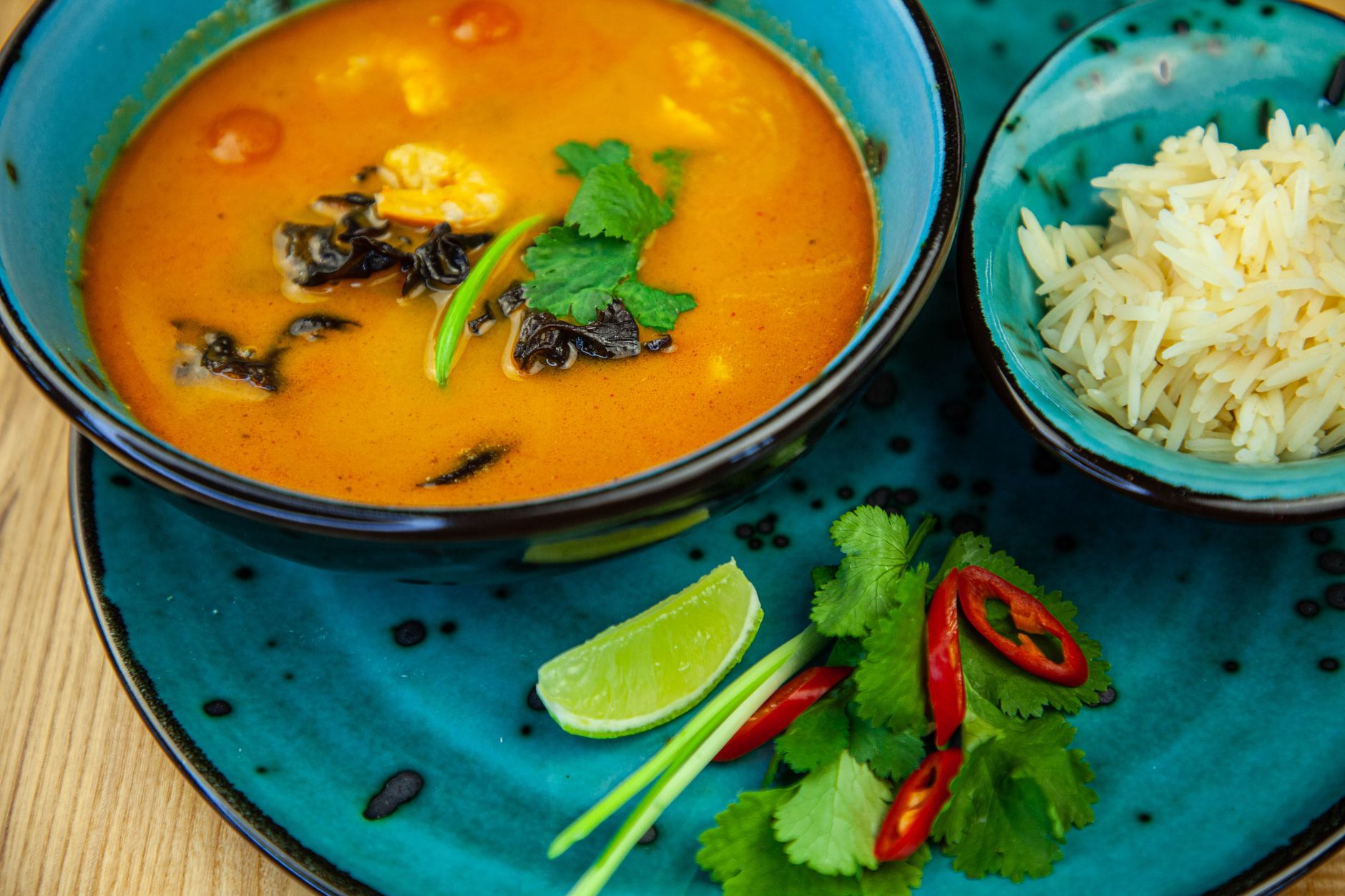
Thai food is a vibrant and diverse cuisine that blends flavors and textures from various regions, showcasing its unique culture and history. Known for its fresh ingredients, use of aromatic herbs and spices, and balance of sweet, sour, salty, and spicy flavors, Thai cuisine has become increasingly popular worldwide. This article will delve into what Thai food is, exploring its key characteristics, common ingredients, popular dishes, and serving ideas.
Thai food emphasizes the use of fresh, local ingredients that are often prepared in a way that preserves their natural flavors. Dishes are typically rich in flavor and color, often showcasing a harmonious blend that delights the palate. Whether you are new to Thai cuisine or a seasoned fan, understanding the essence of Thai food will enhance your appreciation for its delightful dishes.
Thai Food What Is It?
Thai food is a culinary tradition that represents the diverse culture and geography of Thailand. It features a combination of flavors, aromas, and preparation techniques that create a well-rounded and satisfying dining experience. The focus on balancing sweet, sour, salty, and spicy elements defines the essence of Thai cooking.
Key Characteristics of Thai Cuisine
To fully appreciate Thai food, it’s essential to understand its key characteristics, which set it apart from other cuisines.
Flavor Balance
Thai cuisine is known for its harmony of flavors. The balance of sweet, sour, salty, and spicy is critical in almost every dish. For example, a traditional Thai curry often has a blend of spicy chili, sweet coconut milk, tangy lime, and savory fish sauce.
Fresh Ingredients
The use of fresh, high-quality ingredients is paramount in Thai cooking. Herbs such as basil, cilantro, and mint, along with vegetables and fruits, play a significant role in adding vibrancy and complexity to dishes.
Aromatic Spices and Herbs
Thai food is characterized by its aromatic spices and herbs. Common spices include chili, garlic, ginger, and lemon grass, while herbs like Thai basil, kaffir lime leaves, and coriander are frequently used to enhance flavors and aromas.
Cooking Techniques
Various cooking techniques are employed in Thai cuisine, including stir-frying, grilling, steaming, and deep-frying. These methods preserve the texture and nutrition of the ingredients while intensifying their flavors.
Presentation
Thai food is known for its beautiful presentation, often incorporating vibrant colors and intricate garnishing. A well-presented dish is an essential aspect of Thai dining culture, reflecting the care and artistry put into each meal.
Common Ingredients in Thai Cuisine
Thai food relies on a selection of key ingredients that contribute to its unique flavors. The following is a breakdown of some of the most common ingredients used in Thai cooking.
- Rice: A staple food in Thailand, jasmine rice is the most commonly used variety, offering a fragrant and slightly sticky texture.
- Noodles: Thai noodles come in various forms, including rice noodles, egg noodles, and glass noodles, each providing a different texture and purpose.
- Fish Sauce: A vital ingredient that adds saltiness and umami flavor to dishes, fish sauce is made from fermented fish and is a cornerstone of Thai cooking.
- Coconut Milk: Used in curries and desserts, coconut milk provides richness and a hint of sweetness, balancing spiciness and acidity.
- Chilies: Fresh or dried, chilies add the characteristic heat found in many Thai dishes. Bird’s eye chilies are particularly popular for their intensity.
- Herbs: Cilantro, basil, mint, and Thai basil are commonly used for flavor and garnish, contributing freshness to dishes.
- Lime: Lime juice adds acidity and brightness to a variety of dishes, helping to balance other flavors.
- Tofu: A popular protein source in vegetarian and vegan options, tofu is often stir-fried or added to soups and salads.
- Seafood and Meats: Chicken, pork, beef, shrimp, and fish are commonly used in Thai cuisine, often marinated and grilled or stir-fried.
Popular Thai Dishes
Thai cuisine features a wide range of dishes, each showcasing the rich flavors and ingredients that define the culture. Here is a selection of popular Thai dishes that any enthusiast should try.
Pad Thai
Pad Thai is a quintessential Thai dish made with stir-fried rice noodles, eggs, tofu or shrimp, bean sprouts, and peanuts, all tossed in a flavorful sauce made of fish sauce, tamarind paste, and sugar. This dish epitomizes the balance of sweet, sour, and salty flavors.
Green Curry
Green curry is a spicy, rich dish made with green curry paste, coconut milk, and a variety of vegetables and protein, often chicken or duck. It’s typically flavored with basil and served with jasmine rice.
Tom Yum Soup
Tom Yum is a hot and sour soup that features shrimp, mushrooms, lemongrass, kaffir lime leaves, and galangal. The bold flavors of lime, chili, and herbs make it an exciting and fragrant dish.
Som Tum (Green Papaya Salad)
Som Tum is a refreshing salad made from shredded unripe green papaya, tomatoes, peanuts, and green beans, tossed with a spicy dressing combining lime, fish sauce, and chili. This dish exemplifies the freshness and crunch characteristic of Thai food.
Massaman Curry
Massaman curry is a milder, aromatic curry influenced by Indian cuisine. It is typically made with beef or chicken, potatoes, and peanuts, simmered in coconut milk and a blend of spices like cinnamon and cardamom.
Mango Sticky Rice
This popular Thai dessert consists of glutinous rice cooked in sweet coconut milk, served with fresh mango slices. It is a perfect combination of sweet, creamy, and fruity flavors.
Serving Ideas and Meal Planning
When it comes to serving and enjoying Thai food, there are various approaches you can take to enhance your dining experience.
Family-Style Dining
Thai meals are often served family-style, with multiple dishes shared among diners. This encourages communal eating and allows everyone to sample a variety of flavors and textures. When meal planning, consider preparing a selection of dishes that showcase different taste profiles.
Beverage Pairings
To complement Thai food, consider pairing it with beverages that balance the flavors. Thai iced tea, with its sweet and creamy profile, is a popular choice. Fresh coconut water is another excellent option that refreshes the palate between bites. For those seeking alcoholic options, light beers or fruity cocktails can work well.
Ingredient Overlap
When planning meals, aim for ingredients that can be used across different dishes to minimize waste and maximize flavor. For example, fresh herbs like cilantro and basil can be used in salads, curries, and garnishes, ensuring you get the most out of your grocery shopping.
Tips for Cooking Thai Food at Home
Cooking Thai food at home can be incredibly rewarding. Here are some tips to help you succeed:
- Prepare in Advance: Many Thai dishes come together quickly, so prep your ingredients beforehand by chopping vegetables, marinating proteins, and measuring sauces.
- Balance the Flavors: Taste as you cook to ensure the balance of sweet, sour, salty, and spicy is to your liking. Adjust flavors gradually.
- Invest in Tools: A good wok or non-stick pan is essential for stir-frying. A mortar and pestle can also be useful for making pastes or crushing spices.
- Don’t Skip Fresh Herbs: Fresh herbs add a bright flavor that is hard to replicate with dried varieties. Always have fresh cilantro, basil, and mint on hand.
- Practice Patience: Cooking times can vary based on the ingredients used. For example, wok cooking requires high heat and swift movements, so practice will help you develop the right techniques.
Common Mistakes to Avoid
While preparing Thai food can be simple, certain common mistakes can hinder achieving the desired flavor and texture. Here are some to watch out for:
- Overcooking Ingredients: Vegetables should remain crisp and vibrant. Avoid overcooking them in stir-fries or soups.
- Not Tasting During Cooking: Failing to taste your dishes as you go can lead to imbalanced flavors. Continuously adjust the seasoning for the best result.
- Not Using Enough Fresh Herbs: Fresh herbs are crucial for flavor; don’t skip them or use dried alternatives.
Storage and Reheating Tips
Knowing how to store and reheat Thai food properly will enhance your cooking experience and allow you to enjoy leftovers effectively.
Storing Leftovers
Thai dishes can generally be stored in airtight containers in the refrigerator for up to three to four days. Curries may taste even better the next day as flavors meld together. Avoid storing dishes with fried components, as these may lose their crispness.
Reheating Techniques
When reheating Thai food, consider the following tips:
- Microwave: For convenience, using a microwave is quick, but be careful not to overheat, as it can affect texture.
- Stovetop: Reheat curries and soups on low heat with a splash of water or coconut milk to restore consistency. Stir frequently to avoid scorching.
Exploring Regional Variations of Thai Food
Thai cuisine varies significantly by region, each offering distinct flavors and cooking methods. Here’s a brief overview of the regional variations.
Central Thai Cuisine
The central region, home to Bangkok, has a balanced flavor profile and is known for dishes like Tom Yum and Pad Thai. Street food culture thrives here, with numerous vendors offering a variety of curries and noodle dishes.
Northern Thai Cuisine
Characterized by milder flavors and the use of herbs over spices, northern Thai cuisine often features dishes like Khao Soi, a creamy curry noodle soup. Sticky rice is a staple in this region.
Isan (Northeastern) Cuisine
Isan cuisine is known for its bold, spicy flavors, with dishes like Som Tum (green papaya salad) being widely popular. Sticky rice is commonly served, and grilled meats seasoned with spicy dipping sauces are prevalent.
Southern Thai Cuisine
Southern Thai food is notable for its spiciness and heavy use of coconut milk. Dishes here often incorporate seafood, reflecting the coastal geography, with curries such as Massaman being emblematic of the region.
Conclusion
Thai food is an exciting and diverse cuisine characterized by its balance of flavors, use of fresh ingredients, and aromatic spices. Understanding its fundamental components, popular dishes, and preparation techniques allows for an enriching culinary experience. By exploring Thai cuisine, you’ll discover a world of vibrant tastes and captivating aromas that will elevate any meal.
For those looking for specific recipes to begin your Thai cooking adventure, consider checking out some refreshing options like a Thai Cucumber Salad or a delicious Thai Eggplant Recipe. These dishes encapsulate the essence of Thai flavors and are great starting points for your culinary journey.