
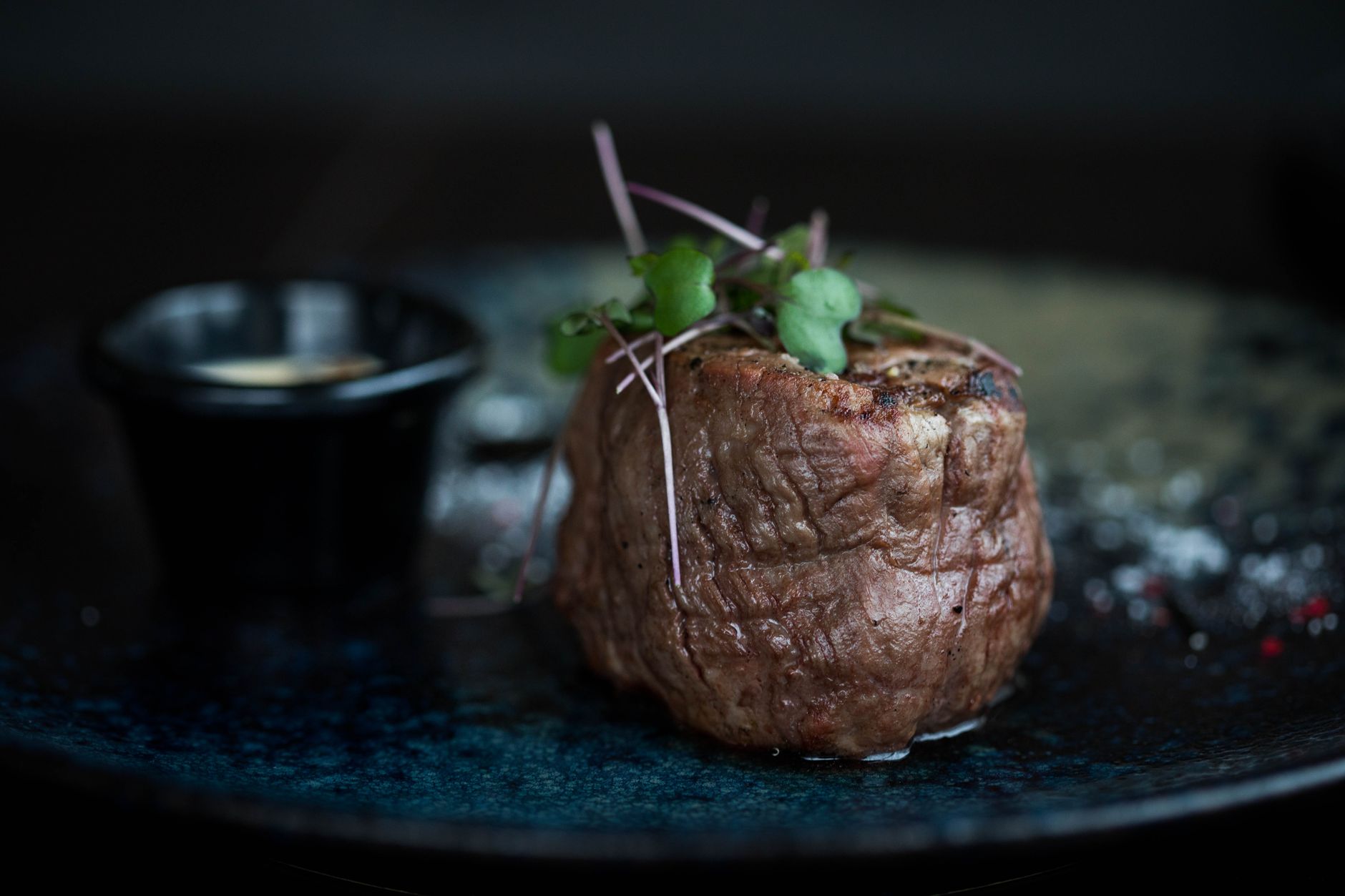
Filet mignon is celebrated as one of the most tender cuts of beef, making it a favorite choice for steak lovers and culinary enthusiasts alike. Understanding where this premium cut comes from and how to best prepare it can elevate your cooking and dining experience.
This article delves into the origins of filet mignon, its culinary characteristics, cooking techniques, and some tips for selecting and preparing this succulent cut of meat.
What Part of the Cow Is the Filet Mignon?
The filet mignon comes from the tenderloin muscle of the cow, which runs along the spine, starting from the rib area and extending to the hip. This muscle is located beneath the ribs and is not heavily used during the animal’s life, which contributes to its exceptional tenderness.
The tenderloin can be divided into three main sections: the butt (or large end), the center cut, and the tail. The filet mignon specifically refers to the smaller portion of the tenderloin—the most tender and desirable part—which is ideal for grilling or searing.
Culinary Characteristics of Filet Mignon
Filet mignon is known for its mild flavor and buttery texture. Its leanness means it contains less fat compared to other cuts, like ribeye or New York strip. This unique combination of tenderness and mild taste allows filet mignon to pair well with various seasonings and sauces, making it very versatile in the kitchen.
Flavor Profile
The flavor of filet mignon is often described as subtle, especially compared to more marbled cuts. Because it has a lower fat content, it does not have the intense beefy flavor some may expect. This can be a positive or negative depending on personal preference, but the natural taste can be enhanced through seasoning, marinades, and cooking methods.
Texture
The texture of filet mignon is exceedingly tender, with a velvety mouthfeel. This is due to the lack of connective tissue in the muscle, which makes it easy to cut through and chew, resulting in an enjoyable eating experience. Cooking it to the ideal doneness, usually medium-rare or medium, further enhances this softness.
How to Choose Quality Filet Mignon
When selecting filet mignon, there are several factors to consider to ensure you are purchasing a high-quality cut:
- Look for marbling: Though filet mignon is a lean cut, some marbling is essential to provide flavor and moisture during cooking. Look for small flecks of fat distributed throughout the meat.
- Check the color: The ideal color for raw filet mignon is a bright, deep red. Avoid cuts that look brown or gray, as this may indicate age or spoilage.
- Choose the right thickness: Filets are typically cut between 1.5 to 2 inches thick. Thicker cuts are less likely to overcook and provide a more satisfying bite.
- Smell test: Fresh beef should have a clean smell. If there is a sour or off odor, it is best to avoid that cut.
- Ask for USDA grading: Look for cuts that are USDA Choice or Prime, as these grades indicate high quality and good flavor.
Preparation Techniques for Filet Mignon
Filet mignon can be prepared using various cooking methods, each enhancing its tenderness and flavor. Here are some popular techniques:
Grilling
Grilling filet mignon offers an opportunity to impart a smoky flavor while keeping the exterior nicely charred.
- Preparation: Start by allowing the steak to come to room temperature for about 30 minutes. Pat it dry with paper towels and season generously with salt and pepper.
- Preheat the grill: Heat the grill to high heat, around 450°F to 500°F.
- Grill the steak: Place the filet mignon on the grill, cooking for approximately 4-5 minutes per side for medium-rare doneness. Use a meat thermometer to check the internal temperature; it should register around 130°F.
- Rest: Allow the steak to rest for about 5-7 minutes before slicing to let the juices redistribute.
Searing and Oven Finishing
This method involves searing the steak on the stovetop and finishing it in the oven, ensuring a beautifully crusted exterior and a tender interior.
- Preparation: Bring the steak to room temperature and season with salt and pepper.
- Preheat the oven: Set your oven to 400°F.
- Sear the steak: Heat a heavy, oven-safe skillet over high heat with a tablespoon of oil. Sear the filet mignon for 2-3 minutes on each side until it develops a rich brown crust.
- Finish in the oven: Place the skillet in the preheated oven for about 5-7 minutes or until the desired internal temperature is reached.
- Rest: Let it rest for several minutes before serving.
Broiling
Broiling is another excellent technique to achieve a nicely seared filet mignon. This method uses high heat from above to cook the meat quickly.
- Preparation: Similar to grilling, begin by bringing the steak to room temperature and seasoning it with your choice of herbs and spices.
- Preheat the broiler: Set your broiler to high and let it preheat for about 10 minutes.
- Broil the steak: Place the steak on a broiler pan and position it about 4-6 inches from the heating element. Broil for 5-6 minutes per side for medium-rare.
- Check doneness: Use a meat thermometer to ensure the internal temperature is around 130°F for medium-rare.
- Rest: Allow it to rest for a few minutes before slicing.
Common Mistakes When Cooking Filet Mignon
Here are some common pitfalls to avoid when cooking filet mignon:
- Overcooking: Due to its leanness, filet mignon can quickly become dry if overcooked. Always use a meat thermometer to monitor internal temperatures.
- Insufficient seasoning: Given its subtle flavor, filet mignon benefits from careful seasoning. Don’t be shy with salt and pepper.
- Skipping resting time: Cutting into the steak immediately after cooking can lead to lost juices. Allow the meat to rest for optimal flavor and tenderness.
- Using low heat: Cooking at low temperatures can leave you with a lackluster steak. High-heat methods are best suited for filet mignon.
Serving Suggestions for Filet Mignon
Filet mignon can be served in a variety of ways, complementing its rich flavors with an array of sides, sauces, and garnishes:
Side Dishes
- Roasted Vegetables: Carrots, asparagus, and Brussels sprouts add a colorful contrast and nutritious benefits.
- Mashed Potatoes: Creamy mashed potatoes or garlic mashed potatoes are a classic pairing.
- Grilled Corn: Sweet, charred corn on the cob brings an irresistible summer flavor.
- Salads: A light arugula or spinach salad garnished with feta can balance the meal.
Sauces and Toppings
- Béarnaise Sauce: A rich and creamy sauce enhances the tenderness of filet mignon beautifully.
- Red Wine Reduction: This savory sauce adds depth and complexity to the dish.
- Mushroom Sauce: The earthiness of mushrooms provides a wonderful complement to filet mignon.
- Compound Butter: Flavored butter can add an extravagant touch when melted over the steak.
Making the Most of Leftover Filet Mignon
If you have leftover filet mignon, don’t fret—it can be repurposed into delicious meals. Here are a few ideas for using that tender meat:
- Steak Salad: Thinly slice the leftover steak and toss it with mixed greens, vegetables, and your dressing of choice.
- Steak Sandwiches: Stack slices on a toasted baguette with fresh greens, tomatoes, and a spread like aioli or mustard.
- Stir-Fry: Cut the filet into bite-sized pieces and stir-fry with vegetables for a quick and satisfying meal.
- Beef Tacos: Shred the steak and serve it in soft tortillas with guacamole and salsa for a tasty taco night.
Storage and Reheating Tips
Proper storage is crucial to maintaining the quality of your filet mignon:
- Refrigeration: Store any leftover cooked filet mignon in an airtight container in the refrigerator for up to 3 days.
- Freezing: For longer storage, filet mignon can be frozen. Wrap it tightly in plastic wrap and aluminum foil. It can be kept in the freezer for up to 2-3 months.
- Reheating: To reheat, allow meat to thaw in the refrigerator overnight. Warm in a skillet over low heat or use the oven to reheat at a low temperature, ensuring to prevent overcooking.
Filet mignon is a delightful cut to explore in your culinary adventures, whether you’re grilling it for a special occasion or transforming leftovers into new dishes. Understanding its origins and proper preparation can make all the difference in your dining experience.
For those who want to enhance their meat dishes, consider trying our steak seasoning recipe to elevate the flavors. If you’re interested in a different cut of beef, check out the boneless prime rib recipe to enjoy a hearty feast.