
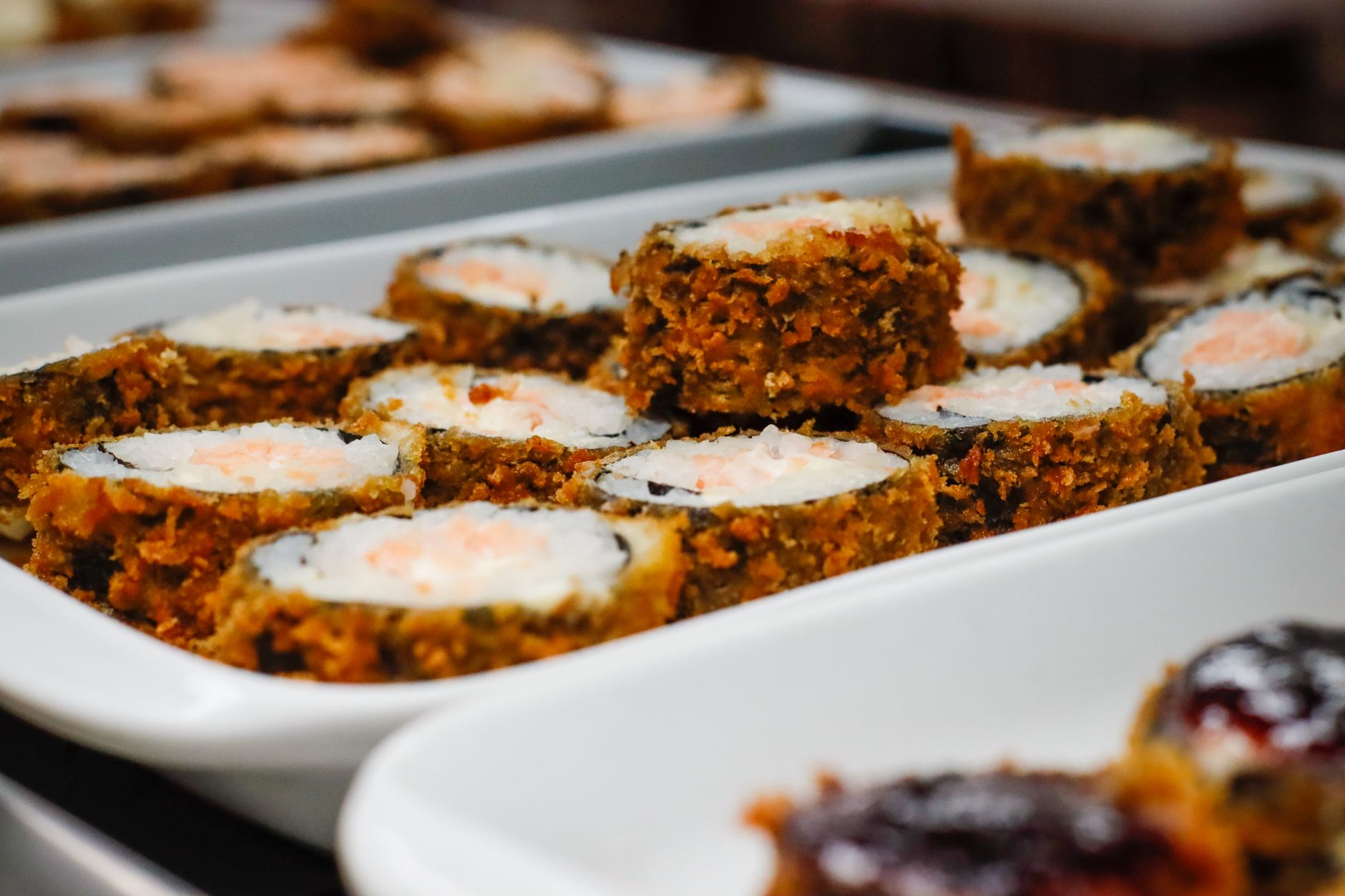
Sushi is a delicacy that has gained immense popularity worldwide, known for its fresh flavors and unique textures. For many expectant mothers, it begs a critical question: can you eat sushi during pregnancy? This article explores the various aspects of sushi consumption while pregnant, including nutritional concerns, safety precautions, and alternative options.
Whether you’re a sushi lover or simply curious about the dietary intricacies during pregnancy, understanding how to navigate this culinary landscape is essential for both your enjoyment and well-being. Let’s delve into the nutritional aspects and dietary considerations for sushi when pregnant.
Sushi When Pregnant: What Are the Risks and Nutritional Benefits?
When it comes to sushi during pregnancy, the main concerns revolve around food safety and the quality of ingredients used. Sushi commonly contains raw fish, which may expose pregnant women to parasites and bacteria. It is essential to understand both the risks and benefits to make informed dietary choices.
Potential Risks Associated with Eating Sushi During Pregnancy
Here are some risks to consider when consuming sushi while pregnant:
- Raw fish and seafood: The primary concern is the risk of foodborne illnesses caused by bacteria such as Listeria, Salmonella, and Vibrio. Raw fish may also harbor parasites such as Anisakis.
- Mercury content: Certain fish that are commonly used in sushi, like tuna, swordfish, and mackerel, are high in mercury, which can affect fetal development.
- Cross-contamination: Sushi prepared in restaurants that serve raw fish might increase the risk of cross-contamination with other foods.
Nutritional Benefits of Sushi
Despite these risks, sushi can provide numerous nutritional benefits, particularly if made with safe ingredients:
- Omega-3 fatty acids: Fish, especially fatty varieties, are rich in omega-3s, which are crucial for fetal brain development.
- Vitamins and minerals: Sushi ingredients like seaweed, vegetables, and rice provide essential vitamins and minerals needed during pregnancy.
- Protein: Fish and seafood are excellent sources of high-quality protein, necessary for the development of the baby.
Safe Sushi Options During Pregnancy
While the consumption of traditional sushi with raw fish is generally discouraged during pregnancy, there are safe alternatives. Here are some sushi options that pregnant women can consider:
- Vegetable sushi: Rolls made with fresh vegetables like cucumber, avocado, and carrots are delicious and safe choices.
- Cooked fish sushi: Sushi made with cooked fish varieties, such as eel (unagi), shrimp (ebi), or crab (kani), is generally safe.
- Tempura rolls: Sushi rolls featuring tempura (battered and fried) seafood or vegetables offer a delightful crunch while being safe to eat.
- California roll: A popular option made with imitation crab, avocado, and cucumber, it avoids the use of raw fish.
Ingredients to Avoid
There are specific ingredients that pregnant women should avoid when selecting sushi. Here is what to stay away from:
- High-mercury fish: Limit or avoid fish like shark, swordfish, king mackerel, and tilefish.
- Raw seafood: Any sushi or sashimi made with raw fish should be avoided due to the risk of foodborne illness.
- Unpasteurized ingredients: Avoid unpasteurized sauces or ingredients, as these can also carry harmful bacteria.
Making Sushi at Home: Tips and Techniques
For those who love a culinary adventure, making sushi at home is a viable option. Doing it yourself gives you control over the ingredients, ensuring everything is safe and fresh. Here are some essential tips for home sushi making:
Essential Equipment
Before starting, gather the following equipment:
- Sushi mat
- Sharp knife
- Cutting board
- Rice cooker (optional)
- Bowl of water (for handling rice)
Ingredients Needed
To create delicious and safe sushi at home, consider the following ingredients:
- Sushi rice (short-grain rice)
- Rice vinegar
- Vegetables (cucumber, avocado, bell peppers)
- Cooked fish (shrimp, crab, unagi)
- Nori (seaweed sheets)
Basic Sushi Making Method
- Prepare sushi rice: Rinse 2 cups of sushi rice under cold water until the water runs clear. Cook according to the package instructions. Once cooked, mix rice with 3 tablespoons rice vinegar and a pinch of salt while still warm. Allow to cool to room temperature.
- Prepare ingredients: Thinly slice your vegetables and cooked fish. Set aside.
- Assemble sushi: Place a sheet of nori on your bamboo mat, shiny side down. Wet your hands to prevent sticking. Spread a thin layer of sushi rice over the nori, leaving about an inch of nori on the top edge.
- Add fillings: Lay your choice of vegetables and cooked fish in the center of the rice-covered nori.
- Roll sushi: Start rolling the sushi away from you, using the mat to help push and tighten the roll. Seal the edge with a little water.
- Slice and serve: Use a sharp knife to cut the roll into bite-sized pieces. Serve with low-sodium soy sauce, pickled ginger, and wasabi if desired.
Common Mistakes to Avoid
When making sushi at home, keep an eye out for these common pitfalls:
- Too much rice: Overloading the nori with rice can make rolling difficult and lead to a messy outcome.
- Cutting with a dull knife: A dull knife can squish the rolls instead of producing clean cuts, affecting presentation.
- Not cooling rice: Using warm rice can cause the nori to become soggy, affecting the sushi’s texture.
Food Safety Practices
Ensuring safety in food handling is crucial, especially during pregnancy. Here are some essential food safety practices:
- Wash hands: Thoroughly wash hands before and after preparing food.
- Sanitize surfaces: Clean countertops and utensils to prevent cross-contamination.
- Store perishables correctly: Keep your fish and seafood refrigerated at optimal temperatures.
Eating Out: How to Choose Safe Sushi at Restaurants
If dining out for sushi, here are practical tips to make safe choices:
- Choose reputable restaurants: Select establishments known for their quality and safety standards regarding food preparation.
- Ask about ingredients: Don’t hesitate to inquire about the types of fish used and whether they offer cooked options.
- Avoid busy hours: Eating during peak hours may increase the likelihood of being served day-old fish or ingredients.
- Check for cleanliness: Observe the restaurant’s overall hygiene; cleanliness is a good indicator of food safety.
Alternatives to Sushi for Pregnant Women
If sushi doesn’t fit into your dietary plan, there are delicious alternatives that offer similar savory experiences without the concerns:
- Rice bowls: Create rice bowls topped with cooked fish, avocado, and veggies.
- Grain salads: Experiment with grain salads using quinoa or brown rice mixed with roasted vegetables.
- Tempura vegetables: Crunchy tempura vegetables can satisfy the craving for something crispy and delightful.
Conclusion
While sushi can present some risks during pregnancy, safe alternatives and home preparation methods can allow you to enjoy this cuisine responsibly. By making informed choices about the types of sushi consumed and adhering to food safety practices, expectant mothers can still indulge in this beloved dish.
For a practical next step, consider trying your hand at making sushi at home with the guidelines provided. You can also explore safe alternatives like rice bowls and grain salads for a diverse culinary experience. For additional culinary insights, feel free to check out what is fish cake and is salami healthy.