
There’s something magical about the aroma of a stir fry sizzling away on the stovetop, isn’t there? With the right Stir Fry Seasoning, you can transform simple ingredients into a flavor-packed dish that dances on your taste buds and makes weeknight dinners a breeze.
This seasoning mix is special because it brings out vibrant flavors and can be adjusted to suit your personal taste. It’s versatile, easy to make, and a secret weapon for any busy cook looking to spice things up in the kitchen.
Why You’ll Love This Recipe
This Stir Fry Seasoning Recipe is a must-try for several reasons.
- Quick to prepare and store.
- Customizable to fit your flavor preferences.
- Perfect for any protein or vegetable combination.
- Elevates your stir fry from ordinary to extraordinary.
My Experience Making This Recipe
Every time I whip up this seasoning, I’m reminded of the vibrant street markets bursting with flavor. The blend of spices fills my kitchen with a warm aroma that instantly makes me feel at home.
Friends and family often rave about how a simple sprinkle can take their meals to the next level. It’s satisfying to see their surprise when I tell them it’s just a mix I made at home!
Recipe Overview
- Recipe Name: Stir Fry Seasoning
- Servings: About 8 servings
- Prep Time: 5 minutes
- Cook Time: 0 minutes
- Total Time: 5 minutes
- Course: Seasoning
- Cuisine: Asian
- Calories per Serving: 20 calories
Equipment You Will Need
- Measuring spoons
- Mixing bowl
- Whisk or spoon for mixing
- Air-tight container for storage
Ingredients for Stir Fry Seasoning
- 2 tablespoons cornstarch
- 2 tablespoons garlic powder
- 2 tablespoons onion powder
- 2 tablespoons sugar
- 1 tablespoon ground ginger
- 1 tablespoon black pepper
- 1 tablespoon crushed red pepper flakes (adjust for heat)
- 1 tablespoon salt
Ingredient Notes and Substitutions
- Cornstarch: Used as a thickening agent. You can substitute with arrowroot powder for a gluten-free option.
- Garlic powder: Adds a rich garlic flavor. Fresh minced garlic can be used but will alter the seasoning’s texture.
- Onion powder: Offers a sweet onion flavor. You can use finely minced fresh onion if needed.
- Ground ginger: Provides warmth and depth. Fresh ginger, grated, can be used, but it will change the shelf life.
How to Make Stir Fry Seasoning
Step 1: Gather Ingredients
Start by collecting all your ingredients. Having everything ready makes the process smooth and quick.
Step 2: Measure the Spices
Using measuring spoons, accurately measure out each ingredient. Precision is key to achieving that perfect flavor balance.
Step 3: Mix the Dry Ingredients
In a mixing bowl, combine the cornstarch, garlic powder, onion powder, sugar, ground ginger, black pepper, crushed red pepper flakes, and salt. Mixing them together ensures an even distribution of flavors.
Step 4: Whisk Together
Use a whisk or spoon to thoroughly combine all the ingredients. This step helps break up any clumps and creates a uniform blend.
Step 5: Taste and Adjust
Take a small taste of your seasoning mix. Feel free to adjust the spice levels or sweetness according to your preference.
Step 6: Store the Seasoning
Transfer your stir fry seasoning into an air-tight container. Proper storage ensures that the flavors remain vibrant and fresh.
Step 7: Use in Your Favorite Dishes
Now that you have your seasoning ready, use about 1-2 tablespoons per stir fry dish. This mix can enhance the flavors of any protein or vegetable.
Step 8: Enjoy the Results
Cook your stir fry as usual, and enjoy the delightful aromas filling your kitchen. You’ll be amazed at how this simple mix elevates your meal.
Pro Tip: Always taste as you go and adjust seasoning to ensure it fits your palate perfectly!
Tips for the Best Stir Fry Seasoning
- Store the seasoning in a cool, dry place to maintain freshness.
- Experiment with different spices to make it uniquely yours.
- Make a double batch and share with friends or family.
- Use this seasoning in marinades for added flavor.
- Pair it with soy sauce or sesame oil for a deeper flavor profile.
Common Mistakes to Avoid
- Not measuring accurately can lead to overpowering flavors.
- Skipping the tasting step might result in an unbalanced seasoning.
- Storing in a humid area can cause clumping and loss of flavor.
- Using expired spices can diminish the seasoning effectiveness.
Serving Suggestions
Pair your stir fry seasoning with a variety of dishes to create exciting meals. Here are some ideas:
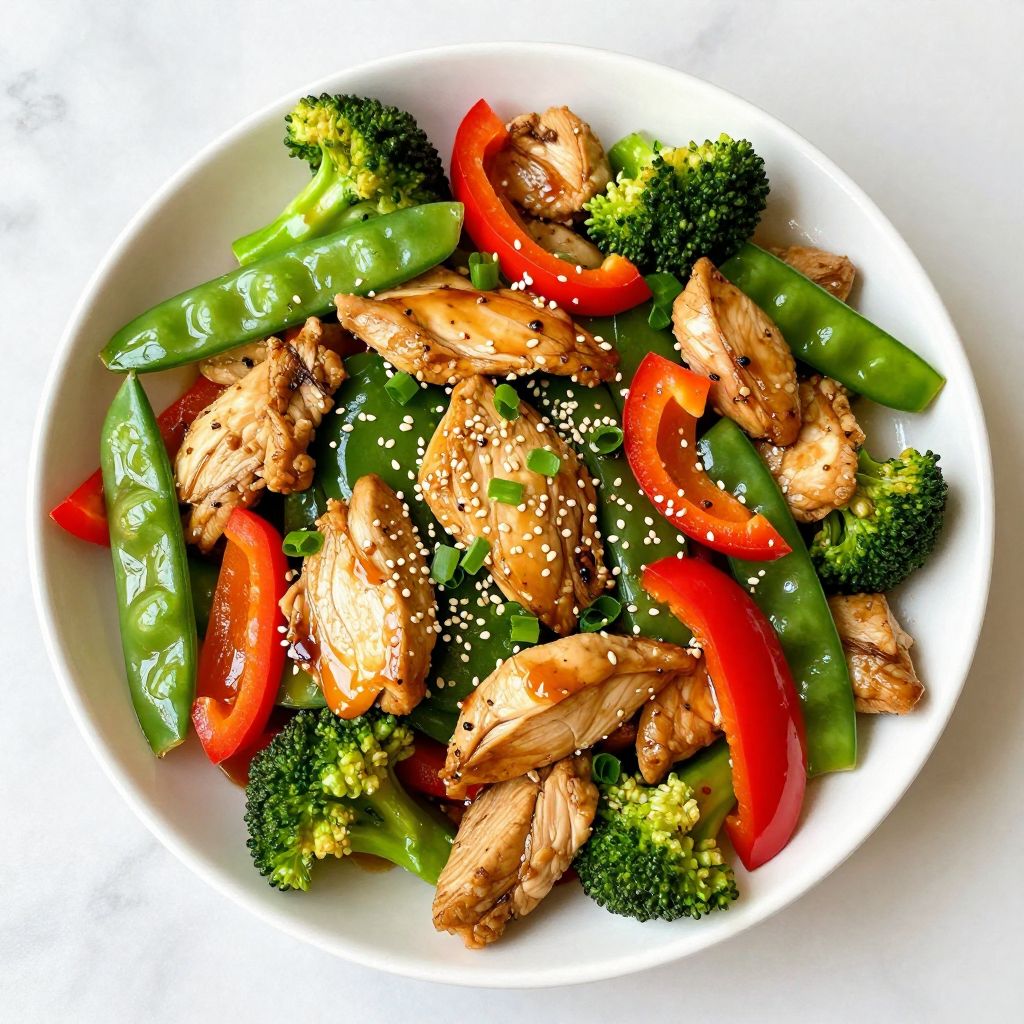
- Chicken stir fry with vegetables
- Beef and broccoli stir fry
- Vegetable medley stir fry
- Tofu stir fry for a vegetarian option
Variations to Try
- Add sesame seeds for a nutty flavor and crunch.
- Incorporate fresh herbs like cilantro for a fresh twist.
- Mix in some lemon zest for a citrusy kick.
- Try adding a splash of soy sauce for extra umami depth.
Dietary Adaptations
- Gluten-Free: Use gluten-free soy sauce to keep this seasoning suitable for gluten-sensitive diets.
- Dairy-Free: This recipe is naturally dairy-free, so enjoy without worry.
- Vegan/Vegetarian: The seasoning is entirely plant-based.
- Low-Carb/Keto: Omit the sugar, or substitute with a low-carb sweetener.
Storage and Reheating
Refrigerator
Store your stir fry seasoning in a cool, dry place or in the refrigerator for maximum freshness. Ensure the container is sealed tightly.
- Keep away from moisture and heat.
- Use within 6 months for the best flavor.
Freezer
It is not necessary to freeze this seasoning mix. Freezing can alter the texture.
- However, you can freeze in small portions if desired.
- Thaw at room temperature before use.
Reheating
No reheating is necessary for the seasoning itself; simply add it to your cooking as needed. If used in marinades, allow time for flavors to meld before cooking.
- Mix with water or broth for a quick sauce.
- Sprinkle directly onto cooked dishes for instant flavor.
Nutrition Information
| Nutrient | Amount |
|---|---|
| Calories | 20 |
| Total Fat | 0g |
| Saturated Fat | 0g |
| Carbohydrates | 5g |
| Fiber | 0g |
| Sugar | 1g |
| Protein | 0g |
| Sodium | 300mg |
| Cholesterol | 0mg |
This nutritional information is an estimate and may vary based on specific ingredients used.
Frequently Asked Questions
Can I substitute the cornstarch?
Yes, arrowroot powder works well as a gluten-free alternative in this recipe.
Can I make this seasoning ahead of time?
Absolutely! This seasoning can be made weeks in advance and stored properly.
How should I store the seasoning?
Keep it in an air-tight container in a cool, dry place to maintain flavor.
What if I don’t like spicy food?
Simply reduce or omit the crushed red pepper flakes based on your spice preference.
How much seasoning should I use for a stir fry?
Using 1-2 tablespoons per stir fry dish typically yields great flavor.
Final Thoughts
Making your own Stir Fry Seasoning is a simple yet effective way to enhance meals. I encourage you to give it a try and adjust it to your preference.
Once you have this seasoning on hand, you’ll find it hard to resist whipping up a delicious stir fry any night of the week. For more delicious seasoning ideas, check out my fry seasoning recipe and chicken taco seasoning recipe.
Stir Fry Seasoning
Ingredients
Equipment
Method
- Gather all ingredients.
- Measure out each ingredient using measuring spoons.
- In a mixing bowl, combine cornstarch, garlic powder, onion powder, sugar, ground ginger, black pepper, crushed red pepper flakes, and salt.
- Use a whisk or spoon to thoroughly mix all ingredients.
- Taste the seasoning mix and adjust spice levels as needed.
- Transfer the seasoning into an air-tight container for storage.
- Use 1-2 tablespoons per stir fry dish.