
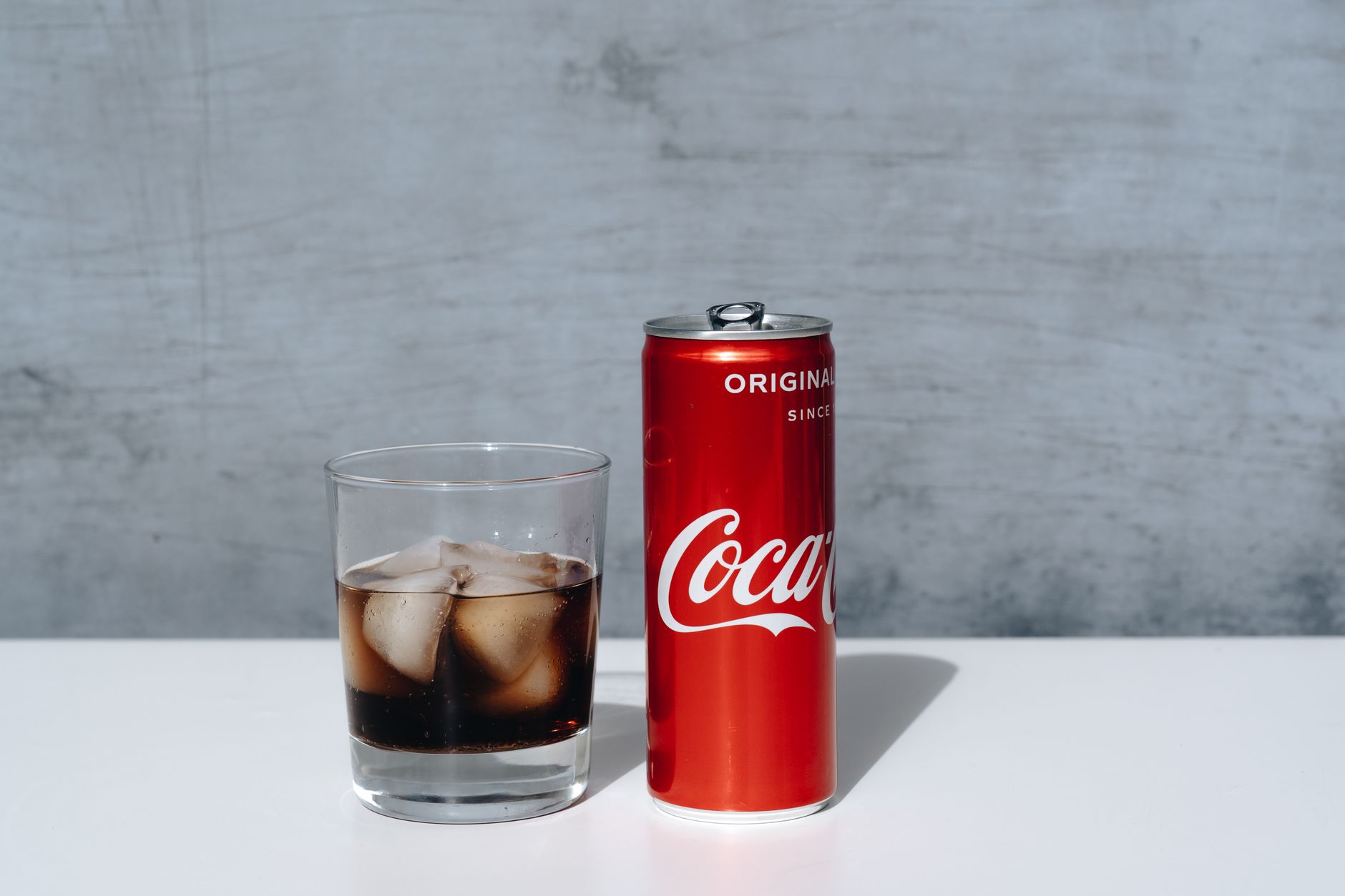
For many individuals living gluten-free, understanding the ingredients and potential cross-contact of foods and beverages is crucial. One of the most commonly consumed beverages worldwide is Coca-Cola, but does it contain gluten? This article will delve into the ingredients of Coke, explore its labels, and discuss cross-contact concerns to provide you with a comprehensive answer.
While many people enjoy Coke as a refreshing soft drink, those with gluten sensitivities or celiac disease need clarity on what they consume. This article will help you navigate the world of gluten in soft drinks and provide assurance about Coke’s safety for gluten-free diets.
Does Coke Have Gluten?
Coca-Cola, when made according to its standard recipe, does not contain gluten. The main ingredients of Coke include carbonated water, high fructose corn syrup (or sugar), caramel color, phosphoric acid, natural flavors, caffeine, and citric acid. None of these ingredients are derived from gluten-containing grains. However, always check the packaging or consult the manufacturer’s website for the most current information, especially for any region-specific variations or potential cross-contamination issues.
The Ingredients in Coca-Cola
To truly understand if Coke contains gluten, it is essential to break down its ingredients. Here’s a closer look at each component:
- Carbonated Water: The primary ingredient in Coke is carbonated water, which is simply water infused with carbon dioxide, making it bubbly.
- High Fructose Corn Syrup (or Sugar): Most formulations of Coke in the United States include high fructose corn syrup, a sweetener derived from corn. Sugar sourced from sugar cane or sugar beets is often used in other countries. None of these sweeteners come from gluten sources.
- Caramel Color: This ingredient is responsible for the dark color of Coke and is produced from heating sugar, often in the presence of acids. It is generally gluten-free, but as with many additives, there can be variations.
- Phosphoric Acid: This acidic compound adds tartness to Coke and has no gluten content.
- Natural Flavors: While this term may seem vague, it usually refers to flavoring compounds derived from plants or animals. These are typically gluten-free, but those with severe allergies should consult the manufacturer.
- Caffeine: Present in all cola drinks, caffeine is a naturally occurring stimulant found in coffee and tea. It does not contain gluten.
- Citric Acid: Another additive usually derived from citrus fruits, citric acid is gluten-free and is often used to adjust the acidity of soft drinks.
Assessing Gluten-Free Labels
When it comes to packaged foods and beverages, labels can provide clarity. While Coca-Cola does not contain gluten, it’s important to look for specific gluten-free certifications on products. These certifications often denote that a product meets strict guidelines regarding gluten content and cross-contact.
In most cases, Coca-Cola is labeled as gluten-free, especially in markets like the United States and Canada. However, it’s worth noting that labels can change over time or vary by country. Therefore, checking regularly, especially if you have a gluten sensitivity or celiac disease, is crucial for safety.
Understanding Cross-Contact Risks
Cross-contact can occur when gluten-free foods come into contact with gluten-containing substances. For example, if Coke is produced in a facility that also processes ingredients containing gluten, there’s a potential risk for cross-contamination. While Coca-Cola’s manufacturing processes have stringent safety measures, individuals with severe gluten intolerance should be aware of this possibility.
It’s advisable to contact the manufacturers directly if unsure about the risk of cross-contact or to check their official website for the most accurate and updated information. Many companies have customer service lines or email addresses specifically for queries regarding allergens.
The Variants of Coca-Cola
In addition to the original Coca-Cola, there are numerous variants of the beverage. Here’s a look at some popular ones:
- Coca-Cola Zero Sugar: This variant is sweetened without calories but still does not contain gluten.
- Coca-Cola Diet: Like Coke Zero, the Diet version is free from gluten, catering to those watching sugar intake.
- Coca-Cola Vanilla: The vanilla-flavored variant also adheres to the gluten-free standard.
- Coca-Cola Cherry: Cherry-flavored Coke remains gluten-free, similar to its original counterpart.
- Coca-Cola with Coffee: This blend combines original Coke with coffee flavor, and typically, it too is gluten-free.
Potential Concerns for Special Diets
Aside from gluten, individuals may have other dietary restrictions worth considering when choosing soft drinks. Potential concerns to be aware of include:
- Sugar content: Many Coke products contain high amounts of sugar or sweeteners that could be of concern for individuals managing sugar levels.
- Artificial Ingredients: While most variants do not include gluten, some might have artificial flavors or colors that could cause reactions in sensitive individuals.
- Caffeine Sensitivity: For those sensitive to caffeine, Coke may not be an ideal choice in large quantities.
Should People with Gluten Sensitivities Drink Coke?
For most people with gluten sensitivities or celiac disease, Coca-Cola and its variants are considered safe to consume, provided they are aware of any cross-contact risks as outlined above. Many enjoy Coke as a treat or a refreshing beverage without any gluten-related issues.
However, personal sensitivities can vary greatly, and it’s essential for individuals to listen to their bodies and consult with healthcare providers when considering changes to their diet.
Homemade Coca-Cola Alternatives
If you have concerns about store-bought soft drinks, or if you wish to limit processed foods in your diet, making homemade cola may be an appealing alternative. Here’s a simple guide to creating a refreshing cola syrup that you can mix with sparkling water:
Ingredients Needed:
- 2 cups of water
- 1 cup of brown sugar
- 1 cup of white sugar
- 1/2 teaspoon of vanilla extract
- 1/2 teaspoon of lemon juice
- 1/4 teaspoon of orange zest
- 1/4 teaspoon of cinnamon
- 1/4 teaspoon of nutmeg
- 1 teaspoon of caramel coloring (optional)
- Carbonated water
Equipment Needed:
- Medium-sized saucepan
- Whisk
- Strainer
- Storage container
Instructions:
- In a medium saucepan, combine water, brown sugar, and white sugar.
- Heat over medium heat, whisking continuously until the sugar has dissolved completely.
- Add in vanilla extract, lemon juice, orange zest, cinnamon, nutmeg, and caramel coloring if using. Stir to combine.
- Reduce heat and let the mixture simmer for about 15-20 minutes, allowing the flavors to meld.
- Strain the syrup through a fine mesh strainer into a storage container.
- To serve, mix syrup with carbonated water to taste, adjusting sweetness to your preference.
This homemade cola syrup allows you control over the ingredients, ensuring it meets your specific dietary requirements while enjoying a fizzy treat.
Conclusion
Coca-Cola, as it is typically formulated, is gluten-free, making it a safe choice for most individuals avoiding gluten. However, for those particularly sensitive or with celiac disease, checking labels for gluten-free certifications and being aware of cross-contact risks is vital. If you’re looking for an alternative, creating your own cola syrup can also be a fun and rewarding way to enjoy a classic fizzy treat without any concerns. Always remember to check ingredients and labels regularly to ensure your choices align with your dietary needs.
For more information on gluten-free foods, check out our guide on Basmati Rice and to learn about coffee, visit our resource on Coffee and Gluten.