
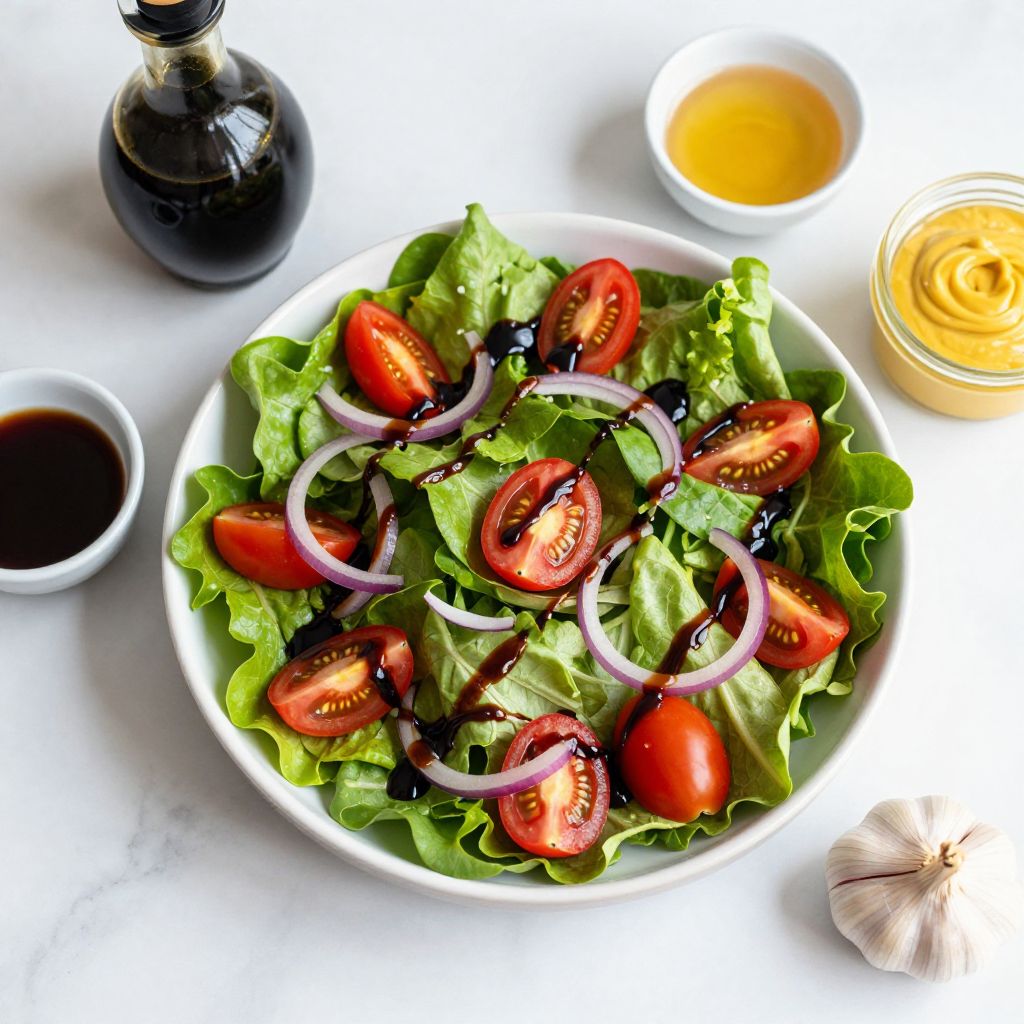
There’s something undeniably satisfying about drizzling a homemade balsamic vinaigrette over a fresh salad, isn’t there? This simple, yet flavorful dressing enhances any dish with its sweet and tangy notes, making it a staple in my kitchen.
With only a handful of ingredients, this recipe stands out for its ease and versatility, transforming everyday greens into something special. Whether you’re looking for a quick meal prep solution or a dressing to impress guests, this balsamic vinaigrette is sure to become your go-to choice.
Why You’ll Love This Recipe
This balsamic vinaigrette is a kitchen essential that you’ll want to whip up regularly.
- Quick to prepare, taking just 5 minutes.
- Versatile and pairs well with salads, roasted vegetables, or meats.
- Adjustable sweetness to suit your taste.
- Uses pantry staples, making it easy to whip up anytime.
- Healthier than store-bought dressings, with no preservatives.
My Experience Making This Recipe
I remember the first time I made this balsamic vinaigrette; it was for a cozy dinner with friends. The moment I whisked the ingredients together, the aroma filled the kitchen, setting the stage for a lovely meal.
As I drizzled the vinaigrette over a vibrant salad, my friends’ eyes lit up. They loved the balance of sweet and tangy flavors, and I felt a wave of pride knowing I had crafted something so delightful with minimal effort.
Recipe Overview
- Recipe Name: Balsamic Vinaigrette
- Servings: 4
- Prep Time: 5 minutes
- Cook Time: 0 minutes
- Total Time: 5 minutes
- Course: Dressing
- Cuisine: Italian
- Calories per Serving: 80
Equipment You Will Need
- Mixing bowl
- Whisk or fork
- Measuring cups and spoons
- Glass jar or bottle for storage
Ingredients for Balsamic Vinaigrette
- 1/2 cup balsamic vinegar
- 1 cup extra virgin olive oil
- 1 tablespoon honey (or maple syrup for vegan option)
- 1 teaspoon Dijon mustard
- 1 clove garlic, minced
- Salt and pepper to taste
Ingredient Notes and Substitutions
- Balsamic vinegar: It brings a sweet-tangy flavor that’s essential. Substitute with red wine vinegar for a sharper taste.
- Extra virgin olive oil: This adds richness and depth. You can use avocado oil for a lighter touch.
- Honey: It balances the acidity of the vinegar. Maple syrup can be used for a vegan alternative.
- Dijon mustard: This adds creaminess and a hint of spice. If you’re out, regular mustard works too.
- Garlic: Fresh garlic provides a robust flavor. Garlic powder can be a quick substitute in a pinch.
How to Make Balsamic Vinaigrette
Step 1: Gather Your Ingredients
Start by measuring out all your ingredients. Having everything ready makes the process smooth.
Step 2: Whisk the Vinegar and Honey
In a mixing bowl, combine the balsamic vinegar and honey. This helps to dissolve the honey before adding the oil.
Step 3: Add the Dijon Mustard
Stir in the Dijon mustard until well blended. This will help emulsify the dressing later.
Step 4: Incorporate the Garlic
Add the minced garlic to the vinegar mixture. This infuses the dressing with a rich garlicky flavor.
Step 5: Slowly Whisk in Olive Oil
With a whisk in one hand, slowly drizzle in the olive oil. This gradual incorporation helps to emulsify the dressing.
Step 6: Season with Salt and Pepper
Taste the vinaigrette and season with salt and pepper. Adjust these to your preference for the best flavor.
Step 7: Transfer to a Storage Jar
Pour the vinaigrette into a glass jar or bottle. This makes it easy to store and shake before each use.
Step 8: Store in the Refrigerator
Keep the vinaigrette in the refrigerator. It can last up to two weeks, but trust me, it usually disappears much faster.
Pro Tip: For the best flavor, let the vinaigrette sit for at least 30 minutes before serving to allow the flavors to meld.
Tips for the Best Balsamic Vinaigrette
- Use high-quality balsamic vinegar for a richer flavor.
- Let your vinaigrette sit for a bit to enhance the taste.
- Experiment with fresh herbs like basil or oregano for a twist.
- Adjust the sweetness by adding more or less honey to your liking.
- Shake well before serving to recombine the ingredients.
Common Mistakes to Avoid
- Skipping the emulsification step can lead to separation; whisk well.
- Not tasting before serving can result in a poorly seasoned dressing.
- Using low-quality oil can affect the overall taste negatively.
- Ignoring the resting time will miss out on flavor development.
Serving Suggestions
This vinaigrette is incredibly versatile and pairs beautifully with various dishes.
- Drizzle over mixed greens for a fresh salad.
- Use it to marinate grilled chicken or vegetables.
- Pair with roasted beets and goat cheese for a delightful appetizer.
- Serve alongside a charcuterie board for a flavor boost.
- Mix into pasta salads for an added zing.
Variations to Try
- Add fresh herbs like thyme or rosemary for an aromatic touch.
- Incorporate citrus juice for a zesty flavor change.
- Use flavored olive oils, such as garlic or herb, for depth.
- Substitute some balsamic vinegar with fruit vinegars for sweetness.
- Mix in a pinch of chili flakes for a spicy kick.
Dietary Adaptations
- Gluten-free: This recipe is naturally gluten-free; enjoy without worry.
- Dairy-free: No dairy is used, making it suitable for all diets.
- Vegan: Swap honey with maple syrup for a completely vegan option.
- Low-carb/keto: With minimal carbs, this vinaigrette fits well in low-carb diets.
Storage and Reheating
Refrigerator
Store the vinaigrette in an airtight container in the fridge.
- Lasts up to two weeks.
- Shake well before each use.
Freezer
This vinaigrette is not recommended for freezing, as it may alter the texture.
- Freshness is key for best flavor.
Reheating
There’s no need to reheat; simply shake and serve cold.
- Best enjoyed fresh for optimal taste.
Nutrition Information
| Nutrient | Amount |
|---|---|
| Calories | 80 |
| Total Fat | 9g |
| Saturated Fat | 1g |
| Carbohydrates | 1g |
| Fiber | 0g |
| Sugar | 1g |
| Protein | 0g |
| Sodium | 0mg |
| Cholesterol | 0mg |
Nutrition values are approximate and may vary based on specific ingredients used.
Frequently Asked Questions
Can I make this vinaigrette ahead of time?
Absolutely! It keeps well in the refrigerator for up to two weeks.
What can I substitute for balsamic vinegar?
Red wine vinegar is a solid alternative, though it will change the flavor slightly.
How do I adjust the thickness of the vinaigrette?
If you prefer a thicker dressing, use less olive oil. For a thinner consistency, add more vinegar.
What if my vinaigrette separates?
This is normal; just give it a good shake before using to recombine.
Can I use this vinaigrette on cooked vegetables?
Definitely! It adds a delicious flavor to roasted or grilled vegetables.
Final Thoughts
Homemade balsamic vinaigrette is truly a delightful addition to any meal. I encourage you to give this recipe a try and make it your own.
For more delicious dressing ideas, check out my recipes for chipotle vinaigrette and Catalina dressing. Happy cooking!
Balsamic Vinaigrette
Ingredients
Equipment
Method
- In a mixing bowl, combine the balsamic vinegar and honey.
- Stir in the Dijon mustard until well blended.
- Add the minced garlic to the vinegar mixture.
- Slowly drizzle in the olive oil while whisking continuously.
- Taste the vinaigrette and season with salt and pepper.
- Pour the vinaigrette into a glass jar or bottle for storage.
- Store in the refrigerator and shake before each use.