
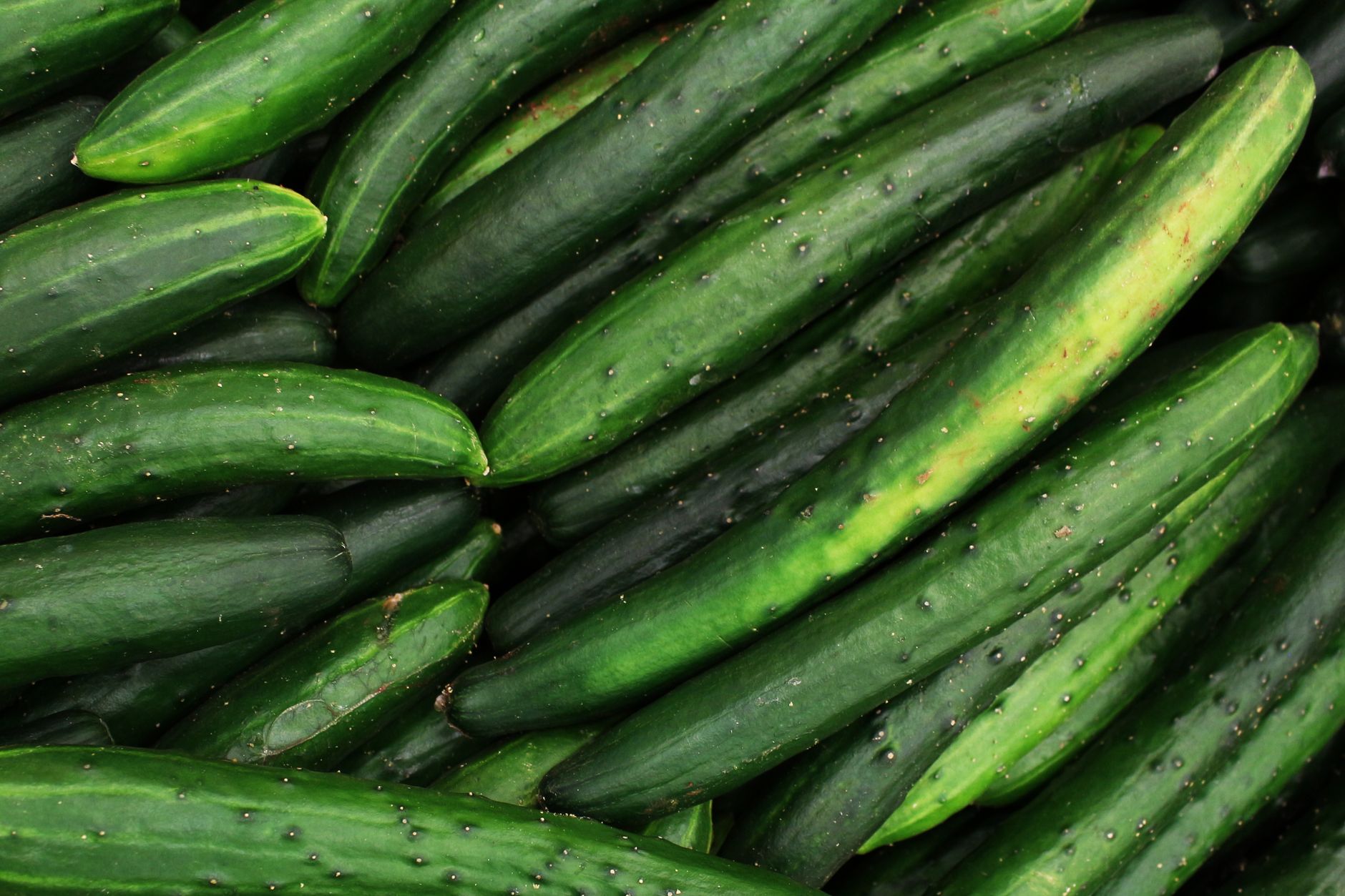
Cucumbers often find themselves served alongside salads or sandwiches, leading many to consider them vegetables. However, in botanical terms, cucumbers are classified as fruit. This article explores the classification of cucumbers, their nutritional benefits, culinary uses, and common questions surrounding this refreshing produce.
Understanding whether cucumber is a fruit can help in identifying its place in different dishes and dietary preferences. Let’s dive deeper into what defines cucumbers and how to make the most of this versatile ingredient.
Is Cucumber Fruit?
Yes, cucumber is a fruit. Specifically, it is classified as a pepo, a type of berry with a thick rind and fleshy interior. This classification is based on its growth and seed structure, distinguishing it from conventional vegetables. Understanding this can help clarify its uses in culinary applications.
Cucumber Anatomy: Botanical Basics
To better understand why cucumbers are considered a fruit, it’s vital to look at their anatomy. Cucumbers grow from the flowering part of the plant, and the fruit develops from the ovary, containing seeds inside. Here are some aspects of cucumber anatomy that contribute to its classification:
- Seed Development: Cucumbers contain seeds which are essential in botanical terms for defining fruit.
- Growth from Flowers: The fruit is produced from the flower’s fertilized ovary, typical of fruits.
- Thick Skin: Cucumbers have a tough outer skin, characteristic of certain fruit types, unlike most vegetables.
Nutritional Value of Cucumbers
Cucumbers are not just a refreshing addition to your meals; they also offer several health benefits. Here’s a breakdown of what a standard medium cucumber (about 300 grams) contains:
- Calories: 45
- Water: 95% (great for hydration)
- Fiber: 1.5 grams
- Vitamin K: 16% of the Daily Value (DV)
- Vitamin C: 14% of the DV
- Potassium: 13% of the DV
Cucumbers are very low in calories and high in water content, making them a hydrating option. The vitamins and minerals help support various bodily functions, from skin health to blood pressure regulation.
Culinary Uses of Cucumbers
Cucumbers lend their crisp texture and refreshing flavor to a variety of dishes. Here are some common culinary uses:
Salads and Dressings
Cucumbers are a classic ingredient in salads. Their crunchiness complements leafy greens and other vegetables. Additionally, they can be pickled or used as a garnish. Popular cucumber salads include:
- Greek Salad: Sliced cucumbers, tomatoes, onions, feta cheese, and olives, drizzled with olive oil.
- Thai Cucumber Salad: A refreshing combination of cucumbers, lime juice, sugar, and peanuts to balance the flavors.
Soups
Chilled cucumber soups are a perfect summer dish. The cooling properties of cucumbers make them ideal for a refreshing soup base or garnish.
Sandwiches and Wraps
Sliced cucumbers add crunch and moisture to sandwiches and wraps. They are particularly popular in vegetarian and Mediterranean sandwich creations.
Drinks
Cucumber-infused water is a refreshing beverage for staying hydrated. Adding slices to cocktails enhances flavor and aesthetics.
How to Select and Store Cucumbers
Choosing the right cucumber involves examining its skin, firmness, and color. Here’s what to look out for:
Selecting Cucumbers
- Skin: Look for bright, even coloration with minimal blemishes.
- Firmness: Fresh cucumbers should feel firm to the touch. If they are soft or wrinkly, they are likely past their prime.
- Size: Smaller cucumbers tend to have a sweeter flavor and are less bitter, while larger ones may have more seeds.
Storing Cucumbers
To maintain their freshness:
- Store cucumbers in a cool place or refrigerator, ideally placed in the vegetable crisper where humidity is higher.
- Keep them unwashed until ready to use to prevent moisture buildup and spoilage.
Cooking Techniques for Cucumbers
While cucumbers are often consumed raw, they can also be cooked in various ways. Here are some techniques that work well with cucumbers:
Picking Cucumbers
Fermenting cucumbers into pickles is a widely beloved method that enhances their flavor and preserves them.
- Ingredients Needed: Cucumbers, vinegar, sugar, salt, garlic, and dill.
- Method: Slice cucumbers, combine in a jar with salt, sugar, and vinegar solution, and let them sit for a few days in the refrigerator.
Grilling
Though less common, cucumbers can be grilled, offering a uniquely sweet and smoky flavor.
- Preparation: Slice cucumbers lengthwise, brush with olive oil, and season with salt and pepper.
- Cooking: Grill over medium heat for about 2-3 minutes per side, until they have grill marks.
Sautéing
Sautéed cucumbers can add a unique twist to stir-fried dishes.
- Preparation: Cut cucumbers into half-moons and toss in a hot skillet with sesame oil.
- Cooking Time: Sauté for just 2-3 minutes, allowing them to soften slightly while retaining their crunch.
Common Questions About Cucumbers
Are Cucumbers Healthy?
Yes, cucumbers are a healthy addition to a balanced diet. They are low in calories, high in water content, and provide several essential nutrients.
Can You Eat Cucumber Skin?
Yes, cucumber skin is edible and contains additional fiber and nutrients. However, washing thoroughly before consumption is advisable, especially if not organic.
What Types of Cucumbers Are There?
Common varieties of cucumbers include:
- Slicing Cucumbers: Commonly found in salads.
- Picking Cucumbers: Shorter with thicker skin, excellent for pickling.
- Seedless Cucumbers: These have fewer seeds and a milder taste.
Cucumber Substitutions And Alternatives
If you’re out of cucumbers or looking for alternatives, several options can replicate their refreshing crunch:
- Zucchini: Similar texture, works well in salads and sautés.
- Bell Peppers: Crunchy and colorful alternative, great raw or grilled.
- Celery: Offers a similar crunch but with a more pronounced flavor.
Common Mistakes when Preparing Cucumbers
Here are some common pitfalls to avoid when working with cucumbers:
- Not washing them: Always rinse cucumbers before cutting to remove any residues.
- Cutting too far in advance: Once cut, cucumbers begin to lose their crunch. Prepare them closer to serving time.
- Peeling indiscriminately: The skin contains valuable nutrients and adds texture. Consider leaving it on when possible.
Recipe Ideas Featuring Cucumbers
If you’re inspired to incorporate more cucumbers into your cooking, here are a few simple recipe ideas:
Cucumber and Tomato Salad
- Combine diced cucumbers, tomatoes, red onion, and parsley.
- Dress with olive oil, vinegar, salt, and pepper.
Refreshing Cucumber Cooler
- Puree peeled cucumbers, add mint leaves, lime juice, and sparkling water.
- Serve over ice for a refreshing drink.
Stuffed Cucumbers
- Halve cucumbers and scoop out seeds.
- Fill with a mixture of cream cheese, herbs, and spices.
How to Make Thai Cucumber Salad
This quick and easy salad highlights cucumbers well. Here’s how to make it:
- Ingredients:
- 2 cups of thinly sliced cucumbers
- 1/4 cup of chopped peanuts
- 2 tablespoons of lime juice
- 1 tablespoon of sugar
- 1/4 teaspoon of salt
- Chopped cilantro for garnish
- In a bowl, combine the cucumbers and sprinkle with salt. Let them sit for 10 minutes.
- In another bowl, whisk together lime juice and sugar until dissolved.
- Drain any excess liquid from cucumbers and add them to the lime dressing.
- Mix in chopped peanuts and cilantro.
- Serve chilled or at room temperature.
Conclusion
Cucumbers offer a unique blend of hydration, health benefits, and culinary versatility. Understanding their classification as fruit opens possibilities for their use in various dishes, from salads to refreshing drinks. By selecting, storing, and preparing cucumbers properly, you can maximize their flavor and nutritional benefits.
For more information on the vegetable classification of cucumbers, check out this article on whether a cucumber is a vegetable. For a delicious side dish, try making Thai cucumber salad to experience their bright and refreshing qualities.