
Have you ever stood in your kitchen, staring at a recipe with a puzzled look, wondering how to convert the measurements? This recipe conversion guide is here to help you tackle those tricky conversions with ease and confidence. Whether you’re adjusting a family recipe or trying out a new dish, understanding measurement conversions is vital for achieving delicious results. With a few simple tips and tricks, you’ll be a conversion pro in no time!
Why You’ll Love This Recipe
This guide simplifies cooking and baking, making it accessible for everyone.
- Clear and concise conversions for various measurements.
- Helps avoid kitchen mishaps and ingredient shortages.
- Useful for both novice cooks and seasoned chefs.
- Equips you to adapt recipes to your needs.
- Enhances your cooking experience with confidence.
My Experience Making This Recipe
When I first encountered a recipe calling for grams instead of cups, my kitchen confidence wavered. After some trial and error, I realized that having a reliable conversion guide made all the difference in my cooking adventures.
Now, I can whip up any dish without the fear of getting the measurements wrong. Each successful conversion feels like a small victory, adding joy to my culinary journey.
Recipe Overview
- Recipe Name: Recipe Conversion
- Servings: N/A
- Prep Time: 5 minutes
- Cook Time: N/A
- Total Time: 5 minutes
- Course: N/A
- Cuisine: N/A
- Calories per Serving: N/A
Equipment You Will Need
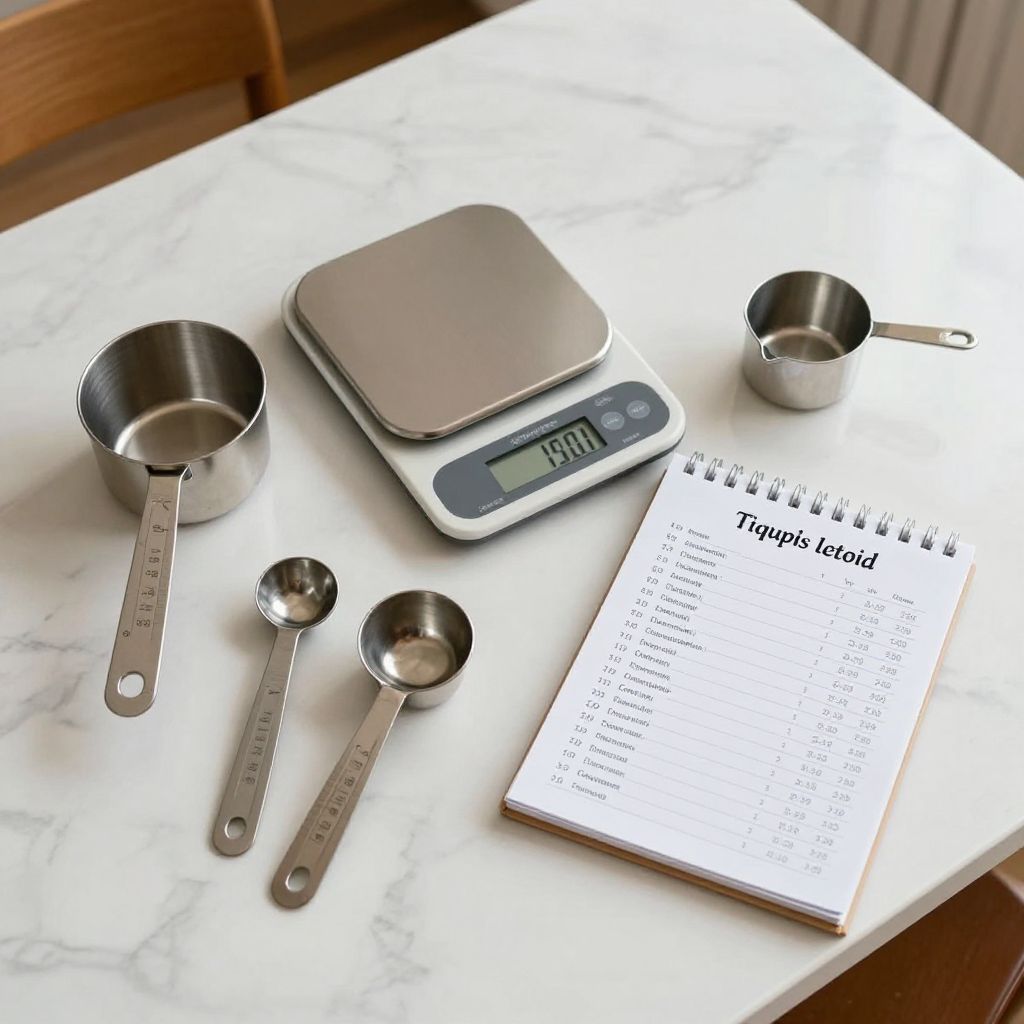
- Kitchen scale
- Measuring cups
- Measuring spoons
- Calculator (optional)
- Pencil and paper for notes
Ingredients for Recipe Conversion
- Liquid measurements: cups, ounces, milliliters
- Dry measurements: cups, grams, ounces
- Temperature conversions: Celsius, Fahrenheit
Ingredient Notes and Substitutions
- Liquid measurements: Used for precise ingredient amounts; substitute with a liquid measuring cup.
- Dry measurements: Essential for accuracy; a kitchen scale is a great substitute for cups.
- Temperature conversions: Important for baking; use a thermometer if needed.
How to Make Recipe Conversion
Step 1: Gather Your Tools
Ensure you have a kitchen scale and measuring cups handy. These are essential for accurate conversions.
Step 2: Understand Volume vs. Weight
Know the difference between volume (like cups) and weight (like grams). This will help you choose the right method for your recipe.
Step 3: Use a Conversion Chart
Keep a conversion chart accessible. It will save you time and help you avoid mistakes.
Step 4: Convert Liquid Measurements
To convert liquid ingredients, use the formula: 1 cup = 8 ounces = 240 milliliters. This will give you various options.
Step 5: Convert Dry Measurements
For dry ingredients, remember that 1 cup of flour weighs about 120 grams. Use this as a guide for other dry ingredients.
Step 6: Adjust for Altitude
If you’re cooking at high altitudes, you may need to adjust liquid amounts slightly. This ensures your dish cooks properly.
Step 7: Double-Check Your Conversions
Always double-check your calculations. A simple mistake can lead to a less-than-perfect dish.
Step 8: Keep Practicing
The more you practice conversions, the easier it becomes. Keep a notebook to track your successful adaptations.
Pro Tip: Always measure ingredients accurately for the best results!
Tips for the Best Recipe Conversion
- Use a digital kitchen scale for precision.
- Write down conversions to avoid confusion later.
- Practice with different recipes to gain confidence.
- Keep a calculator handy for quick conversions.
- Familiarize yourself with common ingredient weights.
Common Mistakes to Avoid
- Measuring dry ingredients by volume can lead to inaccuracies.
- Not adjusting for altitude can affect baking results.
- Ignoring the difference between liquid and dry measurements.
- Failing to double-check conversions can ruin a recipe.
Serving Suggestions
This guide is versatile and can be used for any recipe requiring conversions. Here are a few ideas:
- Perfect for adjusting family recipes.
- Great for trying international dishes.
- Useful for baking projects that require precision.
- Handy for meal prepping and batch cooking.
Variations to Try
- Convert between metric and imperial systems for global recipes.
- Experiment with different ingredient types to see how measurements vary.
- Use online conversion tools for quick reference.
- Explore various cooking methods that may require different measurements.
Dietary Adaptations
- Gluten-free: Use gluten-free flour and adapt measurements accordingly.
- Dairy-free: Substitute dairy with plant-based alternatives and convert as needed.
- Vegan: Replace eggs with flaxseed or applesauce, adjusting other ingredients as necessary.
- Low-carb/Keto: Use almond flour or coconut flour in place of traditional flour, adjusting measurements.
Storage and Reheating
Refrigerator
Store your conversion notes in a cool, dry place. This will keep them easy to access.
- Keep a printed chart in your recipe binder.
- Use digital notes on your phone for quick reference.
Freezer
Consider freezing extra cooked ingredients for future use. Label them with measurements for easy conversions later.
- Use freezer-safe containers or bags.
- Label with the date and amount for convenience.
Reheating
When reheating, ensure measurements are still accurate if adding ingredients. This maintains flavor and texture.
- Use a microwave or stovetop for quick reheating.
- Always taste and adjust seasonings if necessary.
Nutrition Information
| Nutrient | Amount |
|---|---|
| Calories | N/A |
| Total Fat | N/A |
| Saturated Fat | N/A |
| Carbohydrates | N/A |
| Fiber | N/A |
| Sugar | N/A |
| Protein | N/A |
| Sodium | N/A |
| Cholesterol | N/A |
This information is not available as the recipe is a guide for conversions.
Frequently Asked Questions
What are common substitutions for dry ingredients?
Common substitutions include using applesauce for oil or mashed bananas for eggs. These swaps help maintain moisture and texture.
Can I make this conversion guide ahead of time?
Absolutely! Preparing a conversion chart in advance is a smart move. It helps you stay organized during cooking.
How do I store my conversion notes?
Store notes in a recipe binder or digitally on your device. This keeps your information handy for future use.
What if I mess up a conversion?
If you make a mistake, don’t worry! Adjusting flavors and textures can often save the dish.
Is there a specific recipe I should try with these conversions?
Start with something simple, like a pancake recipe. This allows you to practice conversions without too much pressure.
Final Thoughts
Mastering recipe conversions can truly elevate your cooking game. With practice and the right tools, you’ll feel more confident in the kitchen.
Don’t shy away from experimenting with new recipes and conversions. Enjoy the process and happy cooking!
For more helpful tips, check out substitutes for Worcestershire sauce and substitutes for vanilla extract.
Recipe Conversion Guide
Ingredients
Equipment
Method
- Gather your tools: kitchen scale and measuring cups.
- Understand the difference between volume (like cups) and weight (like grams).
- Use a conversion chart for quick reference.
- Convert liquid measurements: 1 cup = 8 ounces = 240 milliliters.
- Convert dry measurements: 1 cup of flour weighs about 120 grams.
- Adjust for altitude if necessary.
- Double-check your conversions.
- Keep practicing measurements.