
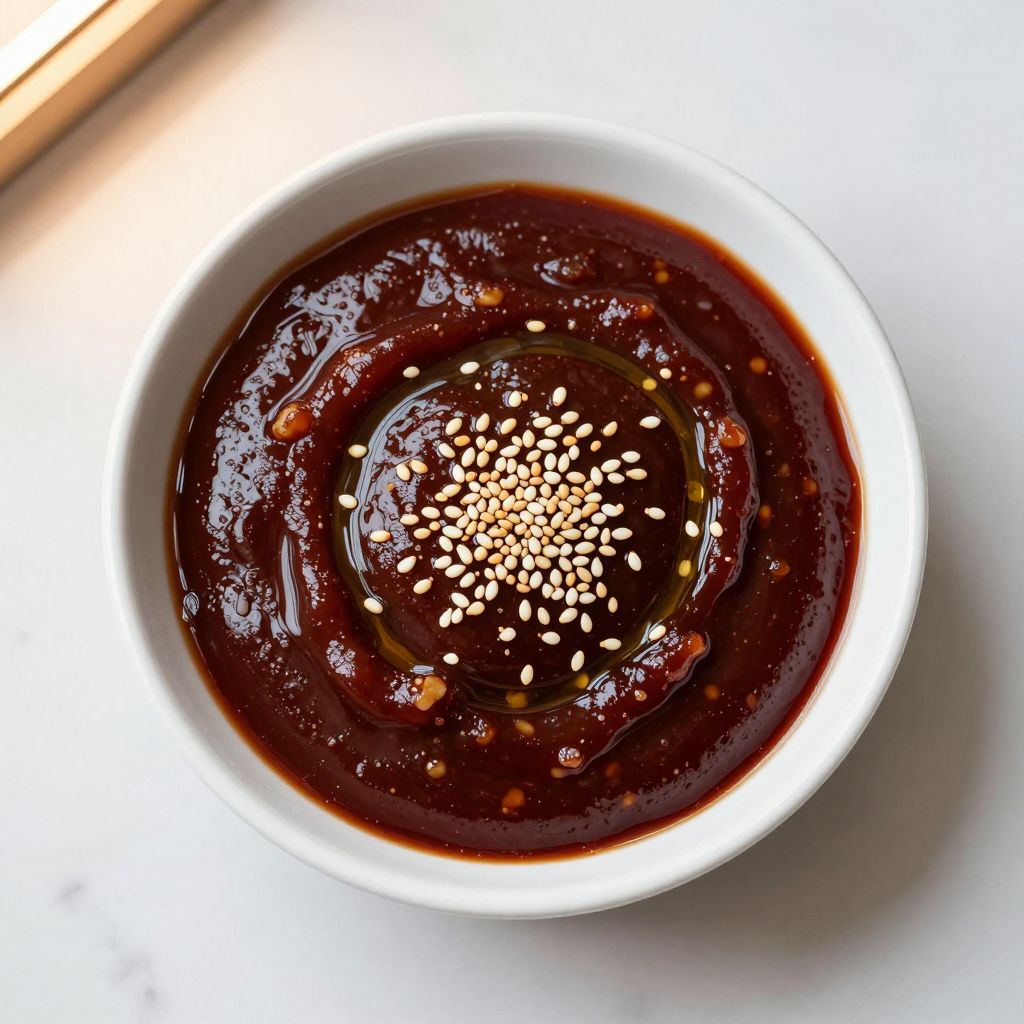
Worcestershire sauce adds a complex, savory depth to marinades, dressings, and sauces, but it’s easy to run out at the wrong moment or need an alternative for dietary reasons. This guide shows you how to replicate that distinctive umami-rich, tangy flavor using ingredients you likely already have in your kitchen.
Whether you’re looking for a quick fix or a carefully crafted replacement, you’ll find practical substitutions that work in everything from steak marinades to Bloody Marys.
What Can You Substitute for Worcestershire Sauce?
The best substitute depends on what you’re making. Soy sauce mixed with a splash of vinegar and a pinch of sugar creates a simple umami-rich replacement that works in most recipes. For a closer match, combine equal parts soy sauce and balsamic vinegar with a dash of hot sauce. Tamari, fish sauce, or liquid aminos also provide the savory depth Worcestershire brings to dishes.
Understanding Worcestershire Sauce Flavor
Worcestershire sauce delivers a layered flavor profile that combines fermented anchovies, tamarind, vinegar, molasses, garlic, onion, and spices. This creates a balance of salty, sweet, sour, and umami notes with a subtle heat.
The sauce originated in Worcester, England, in the 1830s and remains a pantry staple for adding depth to meat dishes, cocktails, and savory recipes. Understanding its complexity helps you choose the right substitute for your specific dish.
Most substitutions focus on recreating the umami backbone and tangy acidity rather than matching every individual ingredient.
Best Single-Ingredient Substitutes
When you need a quick swap, these single ingredients capture different aspects of Worcestershire’s character.
Soy Sauce
Regular or low-sodium soy sauce provides the salty, umami foundation Worcestershire brings to savory dishes. Use it in equal amounts for marinades, gravies, and stews.
Soy sauce lacks the vinegar tang and sweetness, so it works best in recipes where those notes aren’t critical. Add a small splash of vinegar or lemon juice if you need more acidity.
Tamari
Tamari is a Japanese soy sauce with a richer, less salty flavor than standard soy sauce. It’s naturally gluten-free, making it ideal for people avoiding wheat.
Use tamari in a one-to-one ratio wherever you’d use Worcestershire. Its deeper umami works particularly well in beef dishes and mushroom-based recipes.
Fish Sauce
Fish sauce delivers intense umami and saltiness similar to Worcestershire’s anchovy base. Use about half the amount called for in the recipe, as fish sauce is significantly more potent.
This works especially well in Asian-inspired dishes, soups, and stir-fries. Start with a small amount and taste as you go.
Liquid Aminos
Coconut or soy-based liquid aminos offer a lighter, slightly sweet alternative with plenty of umami. They’re lower in sodium than traditional soy sauce and work well in dressings and marinades.
Use liquid aminos in equal amounts as a direct replacement. The flavor is milder, so you may want to add a touch of vinegar for brightness.
Balsamic Vinegar
Balsamic vinegar provides the tangy sweetness and dark color of Worcestershire without the umami depth. It works best in salad dressings, glazes, and recipes where the sauce plays a supporting role.
Use slightly less balsamic than the Worcestershire called for, and add a pinch of salt to compensate for the missing savory notes.
Multi-Ingredient Substitutes
Combining ingredients creates a more accurate flavor match. These blends take an extra minute but deliver better results in dishes where Worcestershire is a key component.
Soy Sauce and Vinegar Blend
Mix two parts soy sauce with one part apple cider vinegar or white vinegar, then add a pinch of sugar and a dash of hot sauce. This creates a balanced substitute with umami, acidity, and subtle heat.
Use this blend in equal amounts for Worcestershire in marinades, meatloaf, and barbecue sauces.
Soy Sauce and Balsamic Blend
Combine equal parts soy sauce and balsamic vinegar for a substitute that captures both the savory depth and sweet-tart balance of Worcestershire. This works exceptionally well in beef dishes and rich gravies.
Add a small pinch of garlic powder and ground cloves if you want to mimic the spice notes.
Fish Sauce and Tamarind Paste
For a close match to Worcestershire’s original flavor, mix one part fish sauce with one part water, then stir in a small amount of tamarind paste and a pinch of sugar. Tamarind provides the fruity sourness that’s central to authentic Worcestershire.
This combination works beautifully in Southeast Asian dishes and anywhere you want a complex, fermented flavor.
Homemade Worcestershire-Style Sauce
If you have time, simmer together a quarter cup of soy sauce, two tablespoons of apple cider vinegar, two tablespoons of water, one tablespoon of brown sugar, a quarter teaspoon of garlic powder, a quarter teaspoon of onion powder, a pinch of ground ginger, and a pinch of black pepper. Let it cool before using.
This keeps in the refrigerator for up to two weeks and provides a versatile substitute for any recipe.
Vegetarian and Vegan Substitutes
Traditional Worcestershire contains anchovies, but several brands make vegetarian versions, and you can create plant-based alternatives at home.
Store-Bought Vegetarian Worcestershire
Brands like Annie’s and Wizard’s make anchovy-free Worcestershire sauce that tastes remarkably close to the original. Use these in equal amounts as a direct replacement.
Check labels carefully, as some “vegetarian” versions may still contain fish-derived ingredients.
Soy Sauce and Molasses Blend
Mix three parts soy sauce with one part molasses, then add a splash of apple cider vinegar and a pinch of garlic powder. This creates a thick, savory-sweet substitute without any animal products.
The molasses adds the dark color and subtle sweetness that balances the salty soy sauce.
Mushroom-Based Substitute
Combine soy sauce with a small amount of dried mushroom powder or mushroom broth for deep umami without fish. Add vinegar and a touch of maple syrup to round out the flavor.
Shiitake or porcini powder work especially well for creating a meaty, savory depth.
Choosing the Right Substitute by Recipe Type
Different dishes require different substitution strategies based on how prominently Worcestershire features in the flavor profile.
For Marinades and Meat Dishes
Use soy sauce-based blends or tamari for beef, pork, and lamb. The savory depth complements rich meats, and you can adjust acidity with vinegar or citrus juice.
Fish sauce works well in smaller amounts for grilled meats where you want a concentrated umami punch.
For Salad Dressings and Vinaigrettes
Balsamic vinegar or a soy-balsamic blend provides the right balance of tang and depth without overwhelming delicate greens. Start with half the amount and taste before adding more.
Liquid aminos also work well in lighter dressings where you want umami without heaviness.
For Cocktails
In a Bloody Mary or Caesar, use equal parts soy sauce and balsamic vinegar, or try a dash of fish sauce for authentic savory complexity. The flavor should enhance the tomato juice without dominating.
Start with less than the recipe calls for, as some substitutes are saltier than Worcestershire.
For Soups and Stews
Soy sauce, tamari, or fish sauce add umami depth to long-simmered dishes. Add these substitutes toward the end of cooking so you can taste and adjust the seasoning.
A splash of vinegar brightens the flavors and compensates for the missing acidity.
For Sauces and Gravies
Use a soy-vinegar blend or homemade Worcestershire-style sauce for the best results. These provide both the color and the layered flavor that makes gravies taste rich and complex.
Reduce the substitute slightly if you’re making a pan sauce to concentrate the flavors.
Adjusting Substitutes for Taste
Most substitutes won’t match Worcestershire exactly, so taste and adjust as you cook.
If your substitute is too salty, add a pinch of sugar or a splash of water to dilute it. If it’s too sweet, balance it with vinegar or lemon juice. If it lacks depth, add a small amount of fish sauce, mushroom powder, or additional soy sauce.
Remember that Worcestershire is often used in small amounts. Start with less substitute than the recipe calls for and build up gradually.
Common Mistakes When Substituting
Using too much fish sauce or soy sauce can make a dish overwhelmingly salty. Always start with less and taste before adding more.
Forgetting to add acidity leaves the substitute flat. A splash of vinegar or citrus juice brings brightness that balances the umami.
Substituting in cocktails without adjusting the salt content can throw off the drink’s balance. Taste your substitute first and reduce other salty ingredients if needed.
Adding substitutes too early in cooking can cause them to become bitter or overly concentrated. Stir them in during the last stages so you can control the final flavor.
Storage and Shelf Life
Homemade Worcestershire-style substitutes keep for up to two weeks in an airtight container in the refrigerator. Label them with the date so you remember when you made them.
Store-bought alternatives like soy sauce, tamari, and fish sauce last for months in the pantry or refrigerator after opening. Check the label for specific storage instructions.
If your homemade blend develops an off smell or visible mold, discard it and make a fresh batch.
Frequently Asked Questions
Can I use steak sauce instead of Worcestershire?
Steak sauce is thicker and sweeter than Worcestershire, but it can work in a pinch for marinades and meat dishes. Use about half the amount called for, as steak sauce is more concentrated. It won’t work well in cocktails or delicate dressings.
Is soy sauce stronger than Worcestershire sauce?
Soy sauce is saltier and more concentrated in umami, but it lacks the vinegar tang and sweetness of Worcestershire. Use slightly less soy sauce than the recipe calls for and add vinegar or lemon juice to balance the flavor.
What if I’m allergic to soy and fish?
Try a blend of balsamic vinegar, molasses, and mushroom broth with garlic powder and onion powder. Coconut aminos provide umami without soy or fish, though they’re sweeter and less salty than Worcestershire.
Can I leave Worcestershire out entirely?
In recipes where it’s used in small amounts for background flavor, you can often omit it and add a pinch of extra salt and a splash of vinegar. In dishes where it’s a key ingredient, like Caesar dressing or meatloaf glaze, a substitute will give you better results.
How do I make a gluten-free substitute?
Use tamari or coconut aminos instead of regular soy sauce, as both are naturally gluten-free. Combine with vinegar, a touch of molasses, and spices for a complete Worcestershire replacement that’s safe for gluten-sensitive diets.
Now that you know how to substitute Worcestershire sauce with confidence, you can adapt any recipe to what you have on hand. Whether you’re working with dietary restrictions or simply ran out mid-recipe, these alternatives deliver the savory, tangy depth that makes dishes taste complete. For more ways to enhance your cooking with bold flavors, explore our cocktail sauce recipe and discover how to build a rich seafood boil sauce from scratch.