
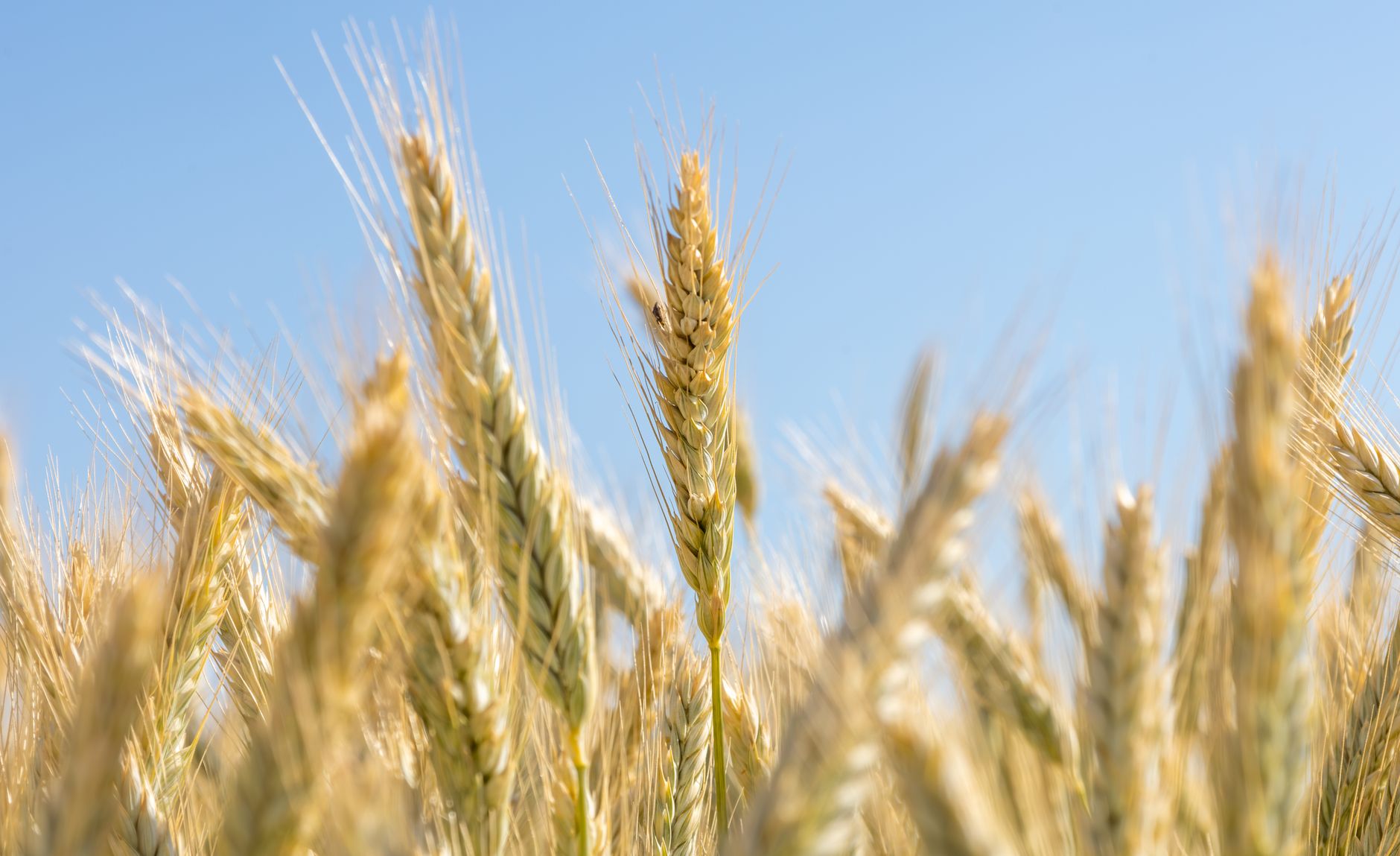
Wheat germ is the nutrient-rich embryo of the wheat kernel, often overlooked in daily diets despite its significant health benefits. It contains essential vitamins, minerals, and healthy fats that contribute to overall health and well-being.
Understanding what wheat germ is good for can help you incorporate it into your meals effectively, whether you are looking to enhance your nutrition or add a new flavor and texture to your dishes.
What Is Wheat Germ Good For?
Wheat germ is good for providing essential nutrients such as proteins, vitamins, and minerals. These nutrients contribute to improved heart health, digestion, energy production, and immune function. Additionally, it can be easily incorporated into meals and snacks to enhance their nutritional profile.
Nutritional Profile of Wheat Germ
Wheat germ is packed with important nutrients, making it a powerful addition to any diet. Here’s a closer look at its nutritional components:
- Vitamins: Wheat germ is particularly rich in vitamin E, an antioxidant that helps combat oxidative stress. It also contains B vitamins, including thiamine, niacin, and folate, which are vital for energy metabolism and brain function.
- Minerals: It’s a good source of essential minerals such as magnesium, phosphorus, zinc, and iron. These minerals are integral for bone health, energy production, and immune system function.
- Healthy fats: Wheat germ contains polyunsaturated fatty acids, including omega-3 and omega-6 fatty acids, which are beneficial for heart health.
- Protein: It provides a plant-based protein source, making it a great addition to vegetarian and vegan diets.
- Dietary fiber: Wheat germ is high in fiber, which aids in digestion and helps maintain a healthy gut.
Health Benefits of Wheat Germ
Incorporating wheat germ into your diet offers numerous health benefits:
1. Boosts Immunity
The vitamins and minerals in wheat germ contribute to enhanced immune function. Vitamin E and zinc play crucial roles in supporting immune responses, helping the body fend off illnesses.
2. Supports Heart Health
The healthy fats found in wheat germ can help reduce bad cholesterol levels, potentially lowering the risk of heart disease. The fiber content also helps improve cholesterol profiles and blood pressure.
3. Aids Digestion
With its high fiber content, wheat germ promotes digestive health by supporting regular bowel movements and preventing constipation. Fiber also feeds beneficial gut bacteria, enhancing gut microbiota.
4. Increases Energy Levels
The B vitamins and protein in wheat germ assist in energy metabolism, making it an excellent choice for individuals needing sustained energy throughout the day.
5. Enhances Skin Health
Vitamin E acts as an antioxidant, protecting skin cells from damage caused by free radicals. Additionally, healthy fats in wheat germ can maintain skin elasticity and hydration.
How to Incorporate Wheat Germ into Your Diet
Wheat germ can be added to a variety of dishes, allowing you to reap its nutritional benefits without altering the flavor much. Here are some practical ways to include it in your daily meals:
1. Breakfast Add-In
Sprinkle wheat germ over your morning oatmeal or yogurt for a nutrient boost. It adds a pleasant crunch and nutty flavor.
2. Smoothies
Add a tablespoon of wheat germ to your smoothies for an extra punch of vitamins and minerals without noticeably changing the taste. It blends well with fruits and greens, enhancing the nutritional value.
3. Baking
In recipes for muffins, breads, or pancakes, substitute a portion of flour with wheat germ to increase fiber and nutrient density. Generally, you can replace about ¼ to ½ cup of flour with wheat germ for most baked goods.
4. Coating for Proteins
Use wheat germ as a coating for fish or chicken. This adds a nutty flavor and a crispy texture when baked or fried.
5. Soups and Stews
Add a tablespoon or two of wheat germ to soups or stews as a thickening agent. It will blend seamlessly into the dish while enhancing the nutritional content.
Portion Suggestions
The recommended serving size of wheat germ varies, but generally, 1 to 2 tablespoons per day can be a beneficial addition to your diet without overdoing it.
How to Store Wheat Germ
Proper storage of wheat germ is essential to maintain its freshness and nutritional quality:
- Refrigeration: Store wheat germ in an airtight container in the refrigerator. This helps prevent it from going rancid, as the oils in wheat germ are prone to oxidation.
- Freezing: For longer storage, wheat germ can also be frozen. Just make sure it’s in a tightly sealed container to prevent moisture buildup.
- Shelf life: When stored properly in the fridge, wheat germ can last up to 6 months, while frozen wheat germ may last up to a year.
Wheat Germ vs. Other Wheat Products
Wheat germ is just one part of the wheat kernel, each serving different nutritional functions:
- Whole Wheat: Contains all parts of the wheat kernel, including the bran, germ, and endosperm. It’s high in fiber and nutrients but may not have the concentrated benefits of wheat germ.
- White Flour: Made from refined wheat that has had the bran and germ removed. This results in a product lower in fiber and nutrients compared to whole grain or wheat germ.
- Wheat Bran: The outer layer of the wheat kernel, which is high in fiber but lacks many vitamins found in the germ.
Common Mistakes and Troubleshooting
When incorporating wheat germ into your diet, there are some common pitfalls to avoid:
- Not Checking Freshness: Always check the expiration date and ensure it smells fresh. Rancid wheat germ has a distinct off smell.
- Using Too Much: While nutritious, too much wheat germ (more than 2 tablespoons a day) may lead to digestive discomfort due to its high fiber content. Introduce it gradually if you’re not used to high fiber.
- Ignoring Storage Needs: Failure to refrigerate or freeze wheat germ can lead to spoilage. Always store it in a cool, dark place away from moisture.
Cooking and Baking with Wheat Germ
When baking with wheat germ, it’s crucial to understand how it interacts within various recipes:
General Baking Tips
- Avoid replacing all flour with wheat germ; it’s best used as a supplement.
- If using wheat germ for texture, consider the desired moisture in the final product, as it may absorb some liquid.
- For recipes requiring rising (like bread), a combination of wheat germ and all-purpose or whole wheat flour is recommended to achieve the right rise and texture.
Alternate Uses for Wheat Germ
Beyond nutrition, there are other creative ways to enjoy wheat germ:
- Homemade Granola: Mix wheat germ into your homemade granola for added crunch and nutrition.
- Energy Balls: Blend it into energy balls made with oats, nut butter, and honey for a healthy snack option.
- Protein Bars: Incorporate it into homemade protein bars to boost their nutritional profile.
Conclusion
Wheat germ is a nutritious powerhouse that can easily enhance a variety of meals and snacks. By understanding its benefits, risk factors, and practical ways to use it, you can make informed choices that elevate your diet.
For further exploration, consider checking out our guides on the benefits of chia seeds and a delightful chia pudding recipe with coconut milk to complement your healthy eating journey.