
Picture this: a cozy evening with the aroma of freshly baked bread wafting through your home. There’s something truly comforting about making your own bread, and this Recipe Analyzer will guide you through a straightforward process that yields a delightful loaf every time. The warm, crusty exterior and soft, pillowy interior make this bread a perfect companion for soups, sandwiches, or just slathered with butter. Let’s roll up our sleeves and get started!
Why You’ll Love This Recipe
This recipe stands out for its simplicity and delicious results.
- Quick prep time with minimal ingredients.
- Perfect for beginners and seasoned bakers alike.
- Versatile enough for any meal or occasion.
- Results in a warm, crusty loaf that’s hard to resist.
- Great for meal prep or freezing for later.
My Experience Making This Recipe
When I first baked this bread, the smell filled the whole house, inviting everyone to gather in the kitchen. Watching it rise was like witnessing a little miracle, and the moment I pulled it from the oven, I knew it was going to be a hit.
Everyone who tried a slice couldn’t help but rave about the texture and flavor. It’s a recipe I now come back to time and again, reminding me how rewarding baking can be.
Recipe Overview
- Recipe Name: Recipe Analyzer
- Servings: 8
- Prep Time: 15 minutes
- Cook Time: 30 minutes
- Total Time: 45 minutes
- Course: Bread
- Cuisine: Various
- Calories per Serving: 150
Equipment You Will Need
- Mixing bowl
- Wooden spoon or spatula
- Loaf pan
- Measuring cups and spoons
- Kitchen towel
- Oven mitts
Ingredients for Recipe Analyzer
- 3 cups all-purpose flour
- 1 packet (2 1/4 teaspoons) instant yeast
- 1 teaspoon salt
- 1 tablespoon sugar
- 1 cup warm water (about 110°F)
Ingredient Notes and Substitutions
- All-purpose flour: This is the base for your bread, providing structure. Substitute with whole wheat flour for a nuttier flavor.
- Instant yeast: It rises quickly, making this recipe efficient. Active dry yeast can also work, but may need proofing.
- Salt: Enhances flavor and controls yeast activity. Sea salt can be a great substitute.
- Sugar: Adds a touch of sweetness and helps with browning. Honey or maple syrup can be used instead.
- Warm water: Activates the yeast for rising. Milk can be used for a richer flavor.
How to Make Recipe Analyzer
Step 1: Mix the Dry Ingredients
In a mixing bowl, combine the flour, yeast, salt, and sugar. This ensures even distribution of the yeast and salt, critical for proper rising.
Step 2: Add Warm Water
Pour the warm water into the dry ingredients. This activates the yeast, which is essential for that lovely rise.
Step 3: Stir to Combine
Use a wooden spoon or spatula to mix until a shaggy dough forms. This helps to develop the gluten, contributing to the bread’s texture.
Step 4: Knead the Dough
Transfer the dough to a floured surface and knead for about 8 minutes. Kneading strengthens the dough, resulting in a chewy texture.
Step 5: First Rise
Place the dough in a greased bowl and cover with a kitchen towel. Let it rise in a warm place for about 30 minutes, or until doubled in size.
Step 6: Shape the Loaf
After the dough has risen, punch it down to release air. Shape it into a loaf and place it in the greased loaf pan.
Step 7: Second Rise
Cover the shaped dough again and let it rise for another 15-20 minutes. This step is crucial for achieving a light, airy bread.
Step 8: Bake
Preheat your oven to 375°F and bake the loaf for 30 minutes. Baking transforms the dough into a delicious crusty loaf, filling your kitchen with irresistible aromas.
Pro Tip: For a crusty exterior, place a pan of water in the oven while baking to create steam.
Tips for the Best Recipe Analyzer
- Use fresh yeast for the best rise; old yeast can lead to dense bread.
- Measure flour accurately to avoid a dry loaf; spoon it into the measuring cup without packing.
- Let the dough rise in a warm area; a cold kitchen can slow the process.
- Don’t skip the second rise; it makes a significant difference in texture.
- Cool the bread completely before slicing to prevent a gummy interior.
Common Mistakes to Avoid
- Over-kneading the dough can lead to tough bread; knead just until smooth.
- Not measuring ingredients correctly can ruin your bread; use a kitchen scale for accuracy.
- Skipping the first rise can result in a dense loaf; patience is key here.
- Baking at the wrong temperature may lead to uneven cooking; always preheat your oven.
Serving Suggestions
This bread is a versatile addition to any meal and pairs beautifully with many dishes.
- Serve with a bowl of hearty soup.
- Make delicious sandwiches with your favorite fillings.
- Top with fresh butter and jam for breakfast.
- Enjoy alongside a fresh salad for a light lunch.
Variations to Try
- Add herbs like rosemary or thyme for a flavorful twist.
- Incorporate whole grains for added texture and nutrients.
- Mix in cheese for a savory loaf that’s perfect for snacking.
- Try adding seeds like sesame or poppy for a crunchy topping.
Dietary Adaptations
- Gluten-free: Use a gluten-free flour blend but adjust water as needed.
- Dairy-free: The recipe is naturally dairy-free; use water instead of milk.
- Vegan: This recipe is already vegan-friendly; no eggs or dairy required.
- Low-carb/keto: Substitute flour with almond or coconut flour, keeping in mind the texture will change.
Storage and Reheating
Refrigerator
Store bread in an airtight container for up to a week.
- Slice bread before storing for easier access.
- Wrap in foil to maintain freshness.
Freezer
Freeze slices or the whole loaf in a freezer-safe bag for up to three months.
- Separate slices with parchment paper to avoid sticking.
- Label the bag with the date for easy tracking.
Reheating
Reheat slices in a toaster or warm the whole loaf in the oven for a few minutes.
- Wrap the loaf in foil to keep it from drying out.
- Enjoy warm with your favorite toppings.
Nutrition Information
| Nutrient | Amount |
|---|---|
| Calories | 150 |
| Total Fat | 0.5g |
| Saturated Fat | 0g |
| Carbohydrates | 30g |
| Fiber | 1g |
| Sugar | 1g |
| Protein | 4g |
| Sodium | 140mg |
| Cholesterol | 0mg |
This information serves as a general guide and can vary based on specific ingredients used.
Frequently Asked Questions
Can I substitute all-purpose flour with whole wheat flour?
Yes, but the texture will be denser. You might need to add a bit more water.
How can I make this bread ahead of time?
You can prepare the dough and refrigerate it for up to 24 hours before baking.
Can I freeze the bread after baking?
Absolutely! Just ensure it is completely cooled and wrapped well.
Why did my bread turn out dense?
This could be due to old yeast or not allowing enough time to rise.
Can I add additional flavors to the dough?
Yes! Feel free to mix in herbs, cheese, or spices for a unique twist.
Final Thoughts
There’s nothing like the satisfaction of slicing into a warm loaf of homemade bread. I hope you give this Recipe Analyzer a try and enjoy the delightful process as much as the product.
For more kitchen tips, consider reading about the best substitutes for rosemary here or learn about alternatives for vanilla extract here.
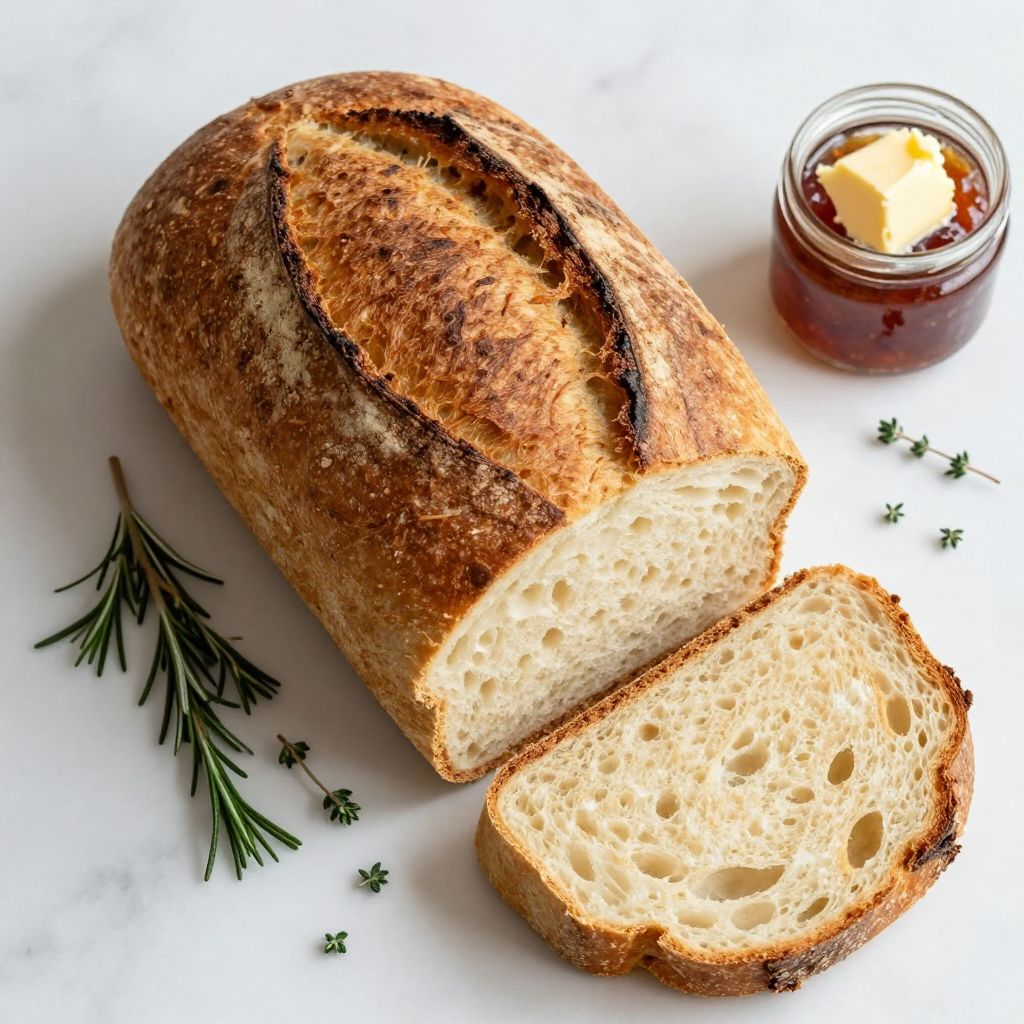
Recipe Analyzer
Ingredients
Equipment
Method
- In a mixing bowl, combine the flour, yeast, salt, and sugar.
- Pour the warm water into the dry ingredients.
- Use a wooden spoon or spatula to mix until a shaggy dough forms.
- Transfer the dough to a floured surface and knead for about 8 minutes.
- Place the dough in a greased bowl and cover with a kitchen towel. Let it rise in a warm place for about 30 minutes.
- After the dough has risen, punch it down to release air. Shape it into a loaf and place it in the greased loaf pan.
- Cover the shaped dough again and let it rise for another 15-20 minutes.
- Preheat your oven to 375°F and bake the loaf for 30 minutes.