
Picture this: a warm bowl of freshly made raviolis, each little pocket bursting with flavor and wrapped in tender dough. This recipe is special because it celebrates the joy of homemade pasta, elevating any mealtime into a delightful occasion.
With its comforting texture and endless filling options, these raviolis are as versatile as they are delicious. Ready to roll up your sleeves and dive into this culinary adventure? Let’s gather our ingredients and get started!
Why You’ll Love This Recipe
This raviolis recipe is a fantastic way to impress family and friends. Here are a few reasons to make it:
- Delicious homemade pasta that beats store-bought.
- Customizable fillings to suit any palate.
- A perfect dish for special occasions or a cozy night in.
- Fun to make with family or friends.
- Great for meal prep and freezing for later.
My Experience Making This Recipe
Making raviolis is one of my favorite kitchen activities. The moment I roll out the dough and fill each piece is like a mini celebration of flavors.
When I served them at a recent family gathering, the compliments were endless. Everyone loved the freshness and depth of flavor, and I felt like a pasta wizard!
Recipe Overview
- Recipe Name: Raviolis
- Servings: 4
- Prep Time: 1 hour
- Cook Time: 5 minutes
- Total Time: 1 hour 5 minutes
- Course: Main Course
- Cuisine: Italian
- Calories per Serving: 320
Equipment You Will Need
- Rolling pin
- Pasta machine (optional)
- Mixing bowl
- Dough scraper
- Cookie cutter or pasta cutter
- Large pot for boiling
- Slotted spoon
Ingredients for Raviolis
- 2 cups all-purpose flour
- 3 large eggs
- 1 teaspoon salt
- 1 tablespoon olive oil
- 1 cup ricotta cheese (or filling of choice)
- 1/2 cup grated Parmesan cheese
- 1 egg yolk (for egg wash)
- Salt and pepper to taste
Ingredient Notes and Substitutions
- All-purpose flour: Used for its gluten content, making the dough elastic. Substitute with semolina flour for a different texture.
- Ricotta cheese: Provides a creamy filling. Substitute with cottage cheese for a lighter option.
- Parmesan cheese: Adds a rich, savory flavor. Use Pecorino Romano for a sharper taste.
- Eggs: Essential for binding the dough. For a vegan option, use aquafaba or flaxseed meal mixed with water.
How to Make Raviolis
Step 1: Make the Dough
In a mixing bowl, combine flour and salt. Create a well in the center, add eggs and olive oil, then mix until a dough forms.
Step 2: Knead the Dough
Transfer the dough to a floured surface and knead for about 10 minutes. This helps develop gluten, giving the pasta its chewy texture.
Step 3: Rest the Dough
Wrap the dough in plastic wrap and let it rest for at least 30 minutes. This relaxes the gluten, making it easier to roll out.
Step 4: Prepare the Filling
In a bowl, mix ricotta, Parmesan, salt, and pepper. This simple mixture packs a flavorful punch!
Step 5: Roll Out the Dough
On a floured surface or using a pasta machine, roll the dough into thin sheets. It should be thin enough to see your hand through but not tear easily.
Step 6: Cut the Raviolis
Using a cookie cutter or pasta cutter, cut the rolled dough into squares. Make sure they are even for uniform cooking.
Step 7: Fill and Seal the Raviolis
Place a teaspoon of filling in the center of each square. Moisten the edges with water and fold over to seal, pressing out any air.
Step 8: Cook the Raviolis
Bring a large pot of salted water to a boil. Cook the raviolis for about 5 minutes or until they float to the surface, indicating they are done.
Pro Tip: Be gentle when sealing the raviolis to avoid any tearing. A little flour on your fingers helps with sticking.
Tips for the Best Raviolis
- Make sure your dough is well-kneaded for the best texture.
- Use fresh ingredients for the filling to enhance flavor.
- Don’t overcrowd the pot while boiling; this ensures even cooking.
- Experiment with different fillings, like spinach and feta or meat mixtures.
- Serve with a simple sauce to let the raviolis shine.
Common Mistakes to Avoid
- Not resting the dough long enough can lead to tough pasta.
- Too much filling can make sealing difficult, causing them to burst.
- Overcooking raviolis can make them mushy.
- Not using enough flour can cause sticking during rolling.
- Skipping the egg wash can lead to unsealed raviolis.
Serving Suggestions
Raviolis are delightful on their own, but pairing them with the right accompaniments can elevate the dish. Here are some ideas:
- Light marinara sauce for a classic flavor.
- Brown butter and sage for a nutty twist.
- Fresh basil and olive oil for a light dressing.
- Grated cheese sprinkled on top for added richness.
- Steamed vegetables for a nutritious balance.
Variations to Try
- Try adding spinach and ricotta for a green twist.
- Switch the filling to a meat mixture for heartier options.
- Incorporate herbs like basil or parsley into the dough for extra flavor.
- Make dessert raviolis filled with sweetened mascarpone and chocolate.
- Experiment with different sauces, like pesto or Alfredo.
Dietary Adaptations
- For a gluten-free option, use gluten-free flour blends.
- To make it dairy-free, swap ricotta with tofu or dairy-free cheese.
- Vegan versions can use flax eggs and vegetable fillings.
- For low-carb, consider using zucchini or eggplant slices as wrappers.
Storage and Reheating
Refrigerator
Store cooked raviolis in an airtight container for up to three days.
- Make sure they are completely cooled before sealing.
- Reheat gently on the stovetop or in the microwave.
Freezer
Uncooked raviolis can be frozen for up to two months.
- Spread them out on a baking sheet to freeze individually before transferring to a bag.
- Cook from frozen, adding a minute or two to the cook time.
Reheating
Reheat cooked raviolis in boiling water for a minute or in a skillet with sauce.
- Ensure they are heated through without overcooking.
- Adding a splash of water can help steam them back to life.
Nutrition Information
| Nutrient | Amount |
|---|---|
| Calories | 320 |
| Total Fat | 10g |
| Saturated Fat | 3g |
| Carbohydrates | 45g |
| Fiber | 2g |
| Sugar | 1g |
| Protein | 12g |
| Sodium | 250mg |
| Cholesterol | 70mg |
Nutrition values are estimated and can vary based on ingredients used.
Frequently Asked Questions
Can I make the dough ahead of time?
Yes, you can make the dough and refrigerate it for up to 24 hours before rolling.
What can I use for filling besides cheese?
Ground meats, sautéed vegetables, or even seafood can be delightful alternatives.
How do I prevent the raviolis from sticking?
Dust the raviolis with flour once sealed, and ensure your work surfaces are well-floured.
Can I freeze cooked raviolis?
Yes, but they are best frozen uncooked to maintain their texture.
What if my pasta dough is too dry?
Add a little water, one teaspoon at a time, until it reaches the right consistency.
Final Thoughts
Making homemade raviolis can feel like a labor of love, but the end result is so rewarding. I encourage you to gather your loved ones and enjoy this delightful dish together.
For more recipe inspiration, check out my Creamy Ramen Recipe and Million Dollar Lasagna Recipe. Happy cooking!
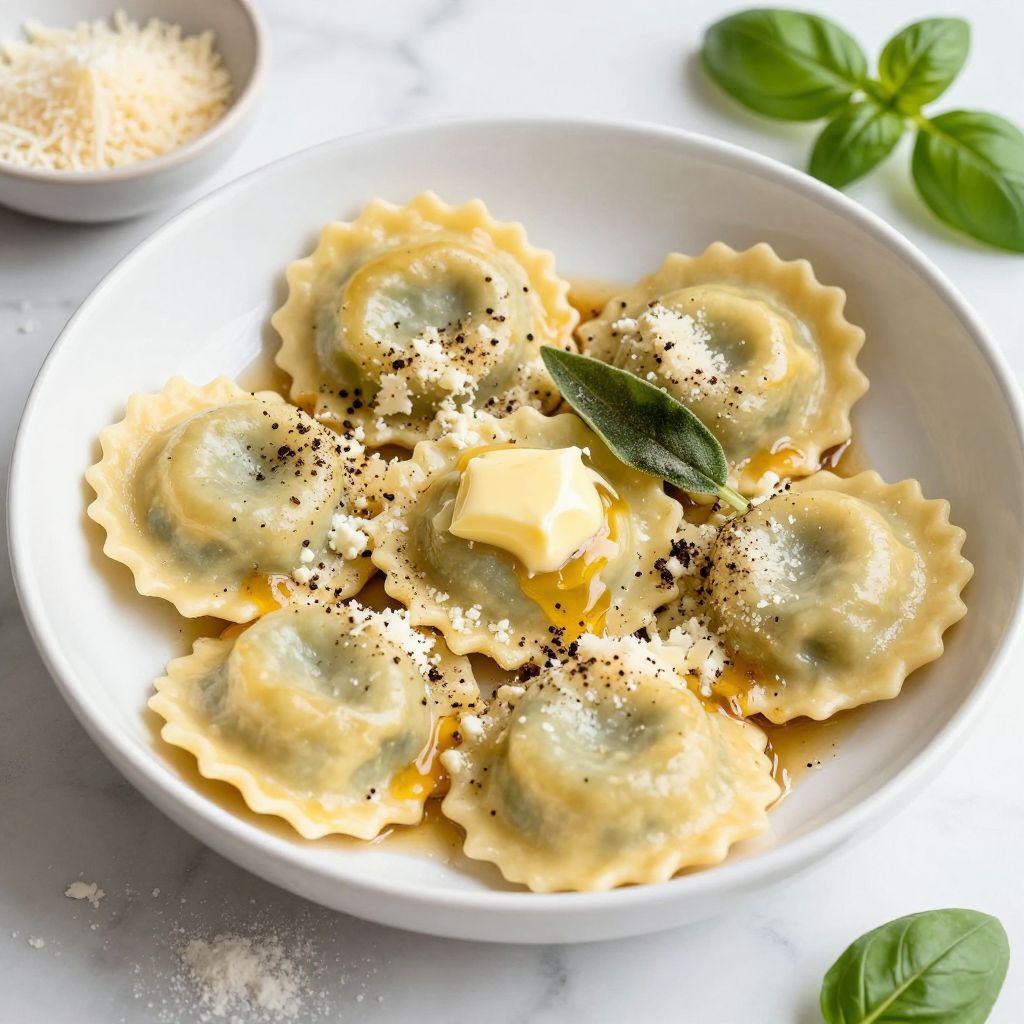
Raviolis
Ingredients
Equipment
Method
- In a mixing bowl, combine flour and salt. Create a well in the center, add eggs and olive oil, then mix until a dough forms.
- Transfer the dough to a floured surface and knead for about 10 minutes.
- Wrap the dough in plastic wrap and let it rest for at least 30 minutes.
- In a bowl, mix ricotta, Parmesan, salt, and pepper to prepare the filling.
- On a floured surface or using a pasta machine, roll the dough into thin sheets.
- Using a cookie cutter or pasta cutter, cut the rolled dough into squares.
- Place a teaspoon of filling in the center of each square, moisten the edges with water, fold over to seal, pressing out any air.
- Bring a large pot of salted water to a boil, and cook the raviolis for about 5 minutes or until they float to the surface.