
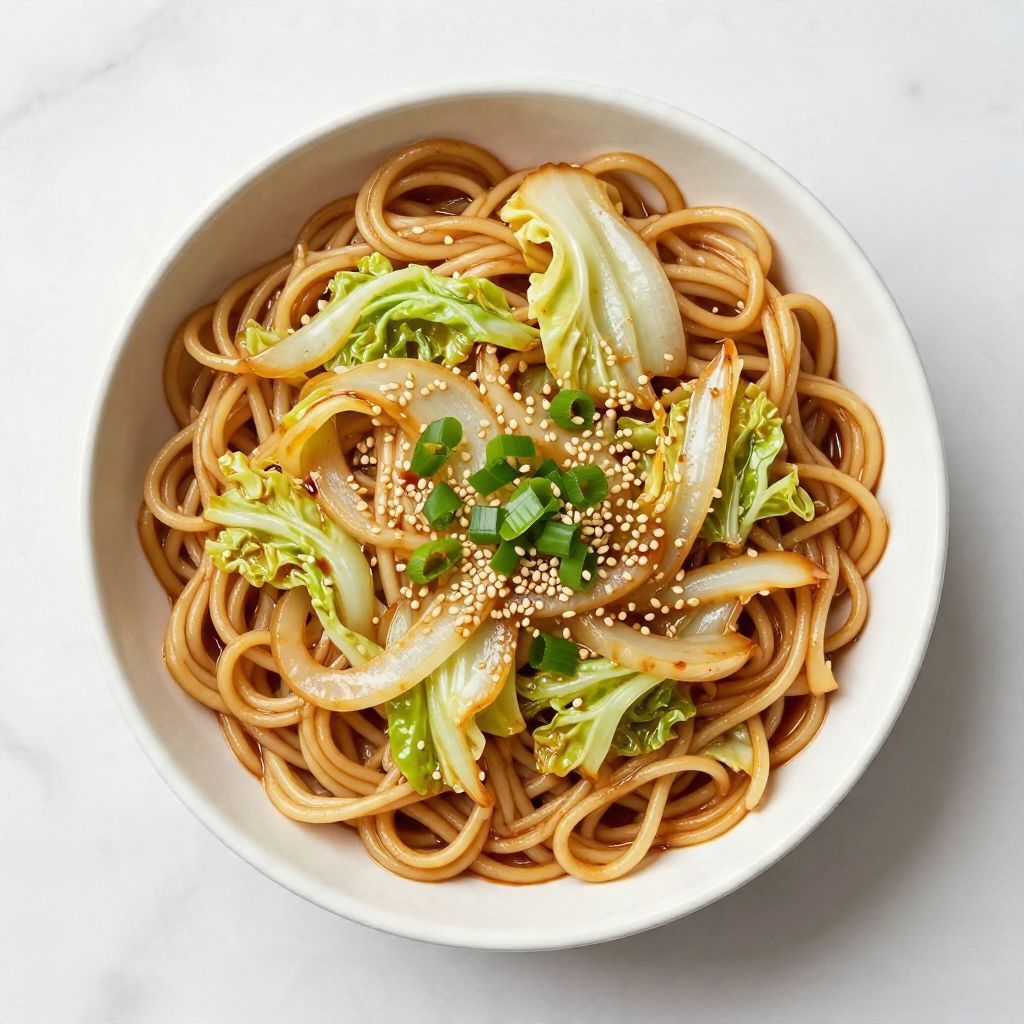
Picture this: a cozy evening, the aroma of sautéed cabbage fills the air, and a steaming bowl of noodles awaits. The Noodles And Cabbage Recipe is a delightful dish that brings together simple ingredients in a comforting way, perfect for busy weeknights or when you want something light yet satisfying.
With its vibrant flavors and easy preparation, this dish is a crowd-pleaser. The combination of tender noodles and crunchy cabbage creates a delightful texture that will have you coming back for seconds.
Why You’ll Love This Recipe
This recipe is a gem for several reasons.
- Quick to whip up, making it ideal for weeknight dinners.
- Versatile; you can easily add protein or other veggies.
- Budget-friendly, using affordable ingredients.
- Comforting and satisfying without being heavy.
- Perfect for meal prep and leftovers.
My Experience Making This Recipe
The first time I made this dish, I was pleasantly surprised by how quickly it came together. The smell of sautéing cabbage brought back memories of my grandmother’s kitchen.
As the noodles cooked, I could hardly wait to dig in, and the first bite did not disappoint. The balance of textures and flavors is simply delightful.
Recipe Overview
- Recipe Name: Noodles And Cabbage
- Servings: 4
- Prep Time: 10 minutes
- Cook Time: 15 minutes
- Total Time: 25 minutes
- Course: Main Dish
- Cuisine: American
- Calories per Serving: 250
Equipment You Will Need
- Large pot for boiling noodles
- Skillet or wok for sautéing
- Colander for draining noodles
- Wooden spoon or spatula
- Measuring cups and spoons
Ingredients for Noodles And Cabbage
- 8 ounces egg noodles
- 1 small head of cabbage, thinly sliced
- 2 tablespoons olive oil
- 1 medium onion, sliced
- 2 cloves garlic, minced
- 2 tablespoons soy sauce
- Salt and pepper to taste
- 1 teaspoon sesame oil (optional)
Ingredient Notes and Substitutions
- Egg noodles: They provide a chewy texture. You can substitute with rice noodles or whole wheat pasta.
- Cabbage: Adds crunch and nutrition. Savoy or red cabbage can be used for different flavors.
- Olive oil: For sautéing. Feel free to use vegetable or canola oil.
- Soy sauce: Adds umami. Use tamari for a gluten-free option.
How to Make Noodles And Cabbage
Step 1: Cook the Noodles
Start by boiling a large pot of salted water. This helps season the noodles as they cook, enhancing their flavor.
Step 2: Prepare the Cabbage
While the water heats up, slice the cabbage and onion. This will save time as you cook.
Step 3: Sauté the Onion and Garlic
Heat olive oil in a skillet over medium heat. Adding the onion first allows it to soften and develop sweetness before adding the garlic.
Step 4: Add the Cabbage
Once the onion is translucent, add the sliced cabbage. Stir-frying it gets rid of excess moisture and keeps the crunch.
Step 5: Season the Mixture
Sprinkle in soy sauce, salt, and pepper. This enhances the flavors and gives the dish that savory kick.
Step 6: Drain the Noodles
Once the noodles are cooked, drain them well. This prevents a watery texture in the final dish.
Step 7: Combine Noodles and Cabbage
Add the drained noodles to the skillet with the cabbage. Tossing them together ensures every noodle gets coated in the delicious sauce.
Step 8: Finish with Sesame Oil
If using, drizzle sesame oil over the top and mix well. This adds a nutty flavor that takes the dish to the next level.
Pro Tip: For extra flavor, let the noodles sit in the skillet for a minute or two to crisp slightly before serving.
Tips for the Best Noodles And Cabbage
- Use fresh cabbage for the best crunch and flavor.
- Don’t overcook the noodles; they should be al dente.
- Feel free to add protein like chicken or tofu for a heartier meal.
- Experiment with different sauces, such as teriyaki or chili sauce.
- Garnish with green onions or sesame seeds for a pop of color and flavor.
Common Mistakes to Avoid
- Not salting the water for noodles can lead to bland flavor.
- Overcooking the cabbage results in mushiness, ruining the texture.
- Forgetting to drain the noodles may create a watery dish.
- Using too much soy sauce can overpower the other flavors.
Serving Suggestions
This dish pairs wonderfully with a variety of sides and proteins. Consider the following options:
- Grilled chicken for a protein boost.
- Steamed broccoli for added greens.
- Egg rolls for a fun appetizer.
- A simple salad to lighten the meal.
Variations to Try
- Add diced bell peppers for sweetness and color.
- Include shredded carrots for an extra crunch and sweetness.
- Substitute rice for the noodles for a gluten-free option.
- Incorporate spicy chili flakes for a kick of heat.
Dietary Adaptations
- Gluten-free: Use rice noodles or gluten-free pasta.
- Dairy-free: This dish is naturally dairy-free.
- Vegan/Vegetarian: Perfect as is, just skip the egg noodles for a vegan alternative.
- Low-carb/Keto: Consider using zucchini noodles instead of traditional noodles.
Storage and Reheating
Refrigerator
Store leftovers in an airtight container for up to 3 days.
- Ensure they have cooled down before sealing.
Freezer
For longer storage, freeze in a freezer-safe container for up to 2 months.
- Thaw overnight in the refrigerator before reheating.
Reheating
Reheat on the stove over low heat, adding a splash of water or oil to prevent sticking.
- Microwave in short intervals, stirring in between for even heating.
Nutrition Information
| Nutrient | Amount |
|---|---|
| Calories | 250 |
| Total Fat | 9g |
| Saturated Fat | 1g |
| Carbohydrates | 38g |
| Fiber | 4g |
| Sugar | 3g |
| Protein | 8g |
| Sodium | 500mg |
| Cholesterol | 0mg |
This nutrition information is an estimate and may vary based on specific ingredients and preparation methods.
Frequently Asked Questions
Can I make this dish ahead of time?
Yes! You can prepare it a day in advance and reheat when ready to serve.
What can I substitute for soy sauce?
Tamari or coconut aminos work great as alternatives for a gluten-free option.
How do I store leftovers?
Place them in an airtight container in the refrigerator for up to three days.
What if my noodles are mushy?
This often happens from overcooking; aim for al dente noodles for the best texture.
Can I add meat to this recipe?
Absolutely! Chicken, beef, or shrimp can be delicious additions.
Final Thoughts
Cooking the Noodles And Cabbage dish brings a cozy warmth to your kitchen. I hope you give it a try and enjoy the delightful combination of flavors and textures.
For more delicious recipes, check out this Napa Cabbage Recipe or this Sausage and Cabbage Recipe. Happy cooking!