
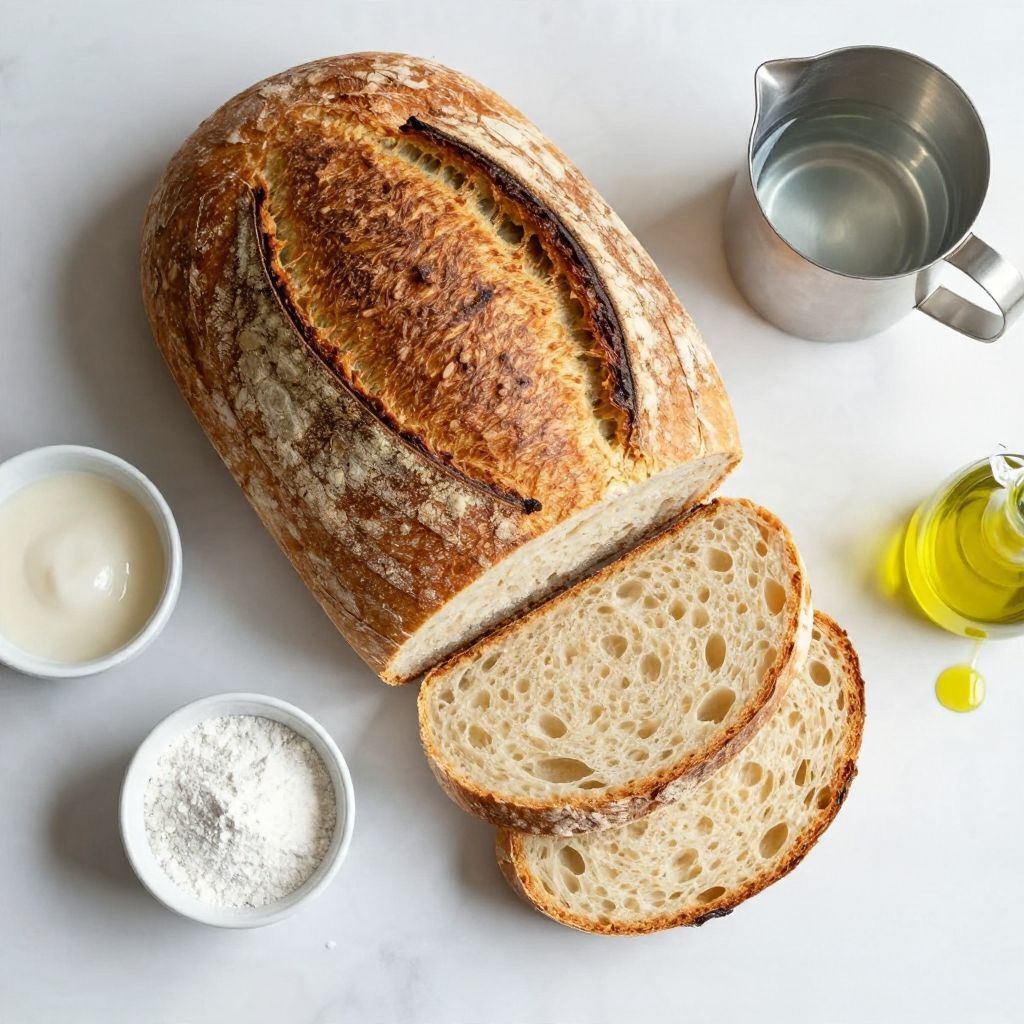
The warm aroma of fresh-baked bread wafting through your home is a comforting memory for many. This Yeast Bread Recipe is special because it combines simplicity with a delightful texture that’s perfect for sandwiches or toasting. You’ll love how the crust is crispy while the inside remains soft and fluffy, making this bread a versatile addition to any meal. Let’s gather our ingredients and get started!
Why You’ll Love This Recipe
This yeast bread is not just about great taste; it also offers rewarding baking experiences.
- Simple ingredients you probably already have.
- Perfect for beginners and experienced bakers alike.
- Great for sandwiches, toast, or simply with butter.
- Customize with herbs or seeds for added flavor.
- Freezes well for future use.
My Experience Making This Recipe
Baking this bread brings back memories of my grandmother’s kitchen, filled with laughter and flour. Watching the dough rise is like a little miracle every time, and the first warm slice slathered in butter is pure bliss.
I’ve tried many bread recipes, but this one always feels like home. Each bite reminds me of cozy family dinners and the joy of sharing something homemade.
Recipe Overview
- Recipe Name: Yeast Bread
- Servings: 10
- Prep Time: 15 minutes
- Cook Time: 30 minutes
- Total Time: 2 hours (including rising time)
- Course: Bread
- Cuisine: American
- Calories per Serving: 120
Equipment You Will Need
- Mixing bowl
- Measuring cups and spoons
- Wooden spoon or dough scraper
- Loaf pan
- Kitchen towel or plastic wrap
- Oven
Ingredients for Yeast Bread
- 2 ¼ teaspoons active dry yeast
- 1 cup warm water (110°F/45°C)
- 2 tablespoons sugar
- 2 tablespoons olive oil
- 3 cups all-purpose flour
- 1 teaspoon salt
Ingredient Notes and Substitutions
- Active dry yeast: This is essential for leavening the bread. You can substitute it with instant yeast, but the method may vary slightly.
- Warm water: This helps activate the yeast. Use milk for a richer flavor.
- Sugar: This feeds the yeast and adds a hint of sweetness. Honey can be used instead.
- Olive oil: It adds moisture and flavor. Any neutral oil will work as a substitute.
- All-purpose flour: This gives the bread structure. Whole wheat flour can be used for a denser loaf.
How to Make Yeast Bread
Step 1: Activate the Yeast
In a mixing bowl, combine warm water, sugar, and yeast. Allow it to sit for about 5-10 minutes until frothy, ensuring the yeast is alive and active.
Step 2: Mix the Ingredients
Add olive oil, salt, and 2 cups of flour to the yeast mixture. Mix until well combined, ensuring the salt doesn’t touch the yeast directly at first.
Step 3: Knead the Dough
Add the remaining flour gradually while kneading the dough on a floured surface. Knead for about 8-10 minutes until smooth and elastic, which develops gluten for structure.
Step 4: First Rise
Place the kneaded dough in a greased bowl and cover it with a kitchen towel. Let it rise in a warm place for 1 hour or until it doubles in size, allowing the yeast to work its magic.
Step 5: Shape the Dough
Punch down the risen dough to release air. Shape it into a loaf and place it in a greased loaf pan, preparing it for the second rise.
Step 6: Second Rise
Cover the loaf pan with a towel and let it rise again for about 30 minutes. This step ensures a light and airy bread.
Step 7: Preheat the Oven
Preheat your oven to 375°F (190°C) while the dough rises. This ensures the bread bakes evenly and develops a nice crust.
Step 8: Bake the Bread
Bake the bread in the preheated oven for 25-30 minutes or until golden brown. It should sound hollow when tapped on the bottom, indicating it’s fully cooked.
Pro Tip: For a crustier loaf, place a pan of water in the oven while baking to create steam.
Tips for the Best Yeast Bread
- Always check the yeast’s expiration date for best results.
- Make sure your water temperature is warm, not hot, to avoid killing the yeast.
- Knead the dough thoroughly to develop gluten for better texture.
- Allow the dough to rise in a warm, draft-free area for optimal results.
- For added flavor, try mixing in herbs or cheese before the second rise.
Common Mistakes to Avoid
- Using cold water: This can prevent the yeast from activating properly.
- Not kneading enough: Insufficient kneading leads to dense bread.
- Skipping the second rise: This step is crucial for a light texture.
- Baking at the wrong temperature: Ensure your oven is preheated correctly for even baking.
Serving Suggestions
Enjoy this bread warm with butter, or use it to make delightful sandwiches. Here are some great pairings:
- Classic grilled cheese
- Avocado toast with toppings
- French toast for breakfast
- Simple soup and salad pairing
Variations to Try
- Add herbs like rosemary or thyme for an aromatic twist.
- Mix in seeds like sesame or poppy for added crunch.
- Incorporate cheese for a savory flavor boost.
- Replace some of the flour with whole wheat for a healthier loaf.
Dietary Adaptations
- Gluten-free: Use a gluten-free flour blend, but expect a different texture.
- Dairy-free: This recipe is naturally dairy-free, so no changes needed.
- Vegan: Substitute olive oil for butter; the recipe is already vegan-friendly.
- Low-carb/keto: Use almond flour and adjust yeast accordingly for a keto option.
Storage and Reheating
Refrigerator
Store the bread in an airtight container or wrapped in plastic. It will last for about 3-5 days.
- Wrap tightly in plastic wrap.
- Store in a bread box or a cool, dry place.
Freezer
Freezing is a great way to extend shelf life. Slice the bread before freezing for convenience.
- Wrap slices in plastic wrap and then foil.
- Store in a freezer-safe bag for up to 3 months.
Reheating
To reheat, simply pop slices in the toaster or wrap the whole loaf in foil and warm in the oven at 350°F (175°C) for about 10-15 minutes.
- Toast to desired crispness.
- Warm in the oven for a soft texture.
Nutrition Information
| Nutrient | Amount |
|---|---|
| Calories | 120 |
| Total Fat | 2g |
| Saturated Fat | 0.5g |
| Carbohydrates | 22g |
| Fiber | 1g |
| Sugar | 1g |
| Protein | 4g |
| Sodium | 150mg |
| Cholesterol | 0mg |
This nutritional information is an estimate and can vary based on ingredients.
Frequently Asked Questions
Can I use instant yeast instead of active dry yeast?
Yes, you can use instant yeast without dissolving it in water first. Just mix it directly with the dry ingredients.
Can I make this bread ahead of time?
Yes, you can prepare the dough, let it rise, and then refrigerate it overnight before baking.
How should I store leftover bread?
Store it in an airtight container at room temperature. For longer storage, freeze it.
Why is my bread dense?
Density often results from insufficient kneading or not allowing it to rise fully. Make sure to knead until smooth.
Can I add flavors to the bread?
Certainly! Feel free to experiment with herbs, spices, or cheese mixed into the dough.
Final Thoughts
Baking your own bread is rewarding and fills your home with a wonderful aroma. I encourage you to give this yeast bread recipe a try; it might just become a staple in your kitchen.
For more delicious bread recipes, explore my Honey Wheat Bread Recipe and check out my Einkorn Bread Recipe for variations that delight!