
Picture this: you pull a forkful of chicken from your plate, and it dissolves before you even chew, flooding your mouth with savory, tender perfection that makes you pause mid-conversation. That’s what melt in your mouth chicken does, and honestly, it’s the kind of dish that makes people ask for your recipe before dessert arrives.
This recipe delivers restaurant-quality tenderness without fancy techniques or hours of fussing around the kitchen. The secret lies in a simple marinade, precise cooking temperature, and one critical step most home cooks skip.
You’ll end up with chicken so impossibly juicy and tender that even skeptics will ask for seconds. It works for weeknight dinners, meal prep, or impressing guests without breaking a sweat.
Why You’ll Love This Recipe
This dish hits every mark for home cooks who want impressive results without complicated steps.
- Tender, juicy chicken that stays moist even if you’re a few minutes over on cooking time
- Ready in under 45 minutes from start to finish, including marinade time
- Works with boneless breasts, thighs, or cutlets depending on your preference and budget
- Pairs with virtually any side dish, from rice to roasted vegetables to pasta
- Makes excellent leftovers for salads, sandwiches, or grain bowls throughout the week
My Experience Making This Recipe
The first time I made this chicken, I was skeptical that a 30-minute marinade could make that much difference. I was wrong, and my family noticed immediately.
My teenage daughter actually asked me to make it twice in one week, which in her world might as well be a standing ovation. The chicken stayed so tender even when I reheated it the next day that I started batch-cooking it for her lunch prep.
What surprised me most was how forgiving the cooking actually is, unlike chicken breast which can dry out if you’re not watching the thermometer obsessively. I’ve made it slightly over the target temperature and still pulled juicy meat from the pan.
Recipe Overview
- Recipe Name: Melt in Your Mouth Chicken
- Servings: 4
- Prep Time: 15 minutes
- Cook Time: 20 minutes
- Marinating Time: 30 minutes
- Total Time: 65 minutes
- Course: Main Dish
- Cuisine: American
- Calories per Serving: 285
Equipment You Will Need
- Large shallow bowl or zip-top plastic bag for marinating
- Meat mallet or rolling pin
- 12-inch skillet or cast iron pan
- Meat thermometer (instant-read preferred)
- Paper towels
- Measuring spoons and cups
- Tongs or spatula
- Cutting board
Ingredients for Melt in Your Mouth Chicken
- Chicken breasts or thighs: 4 pieces, about 6 ounces each
- Olive oil: 1/4 cup
- Lemon juice: 3 tablespoons, fresh
- Garlic cloves: 4, minced
- Dijon mustard: 2 tablespoons
- Honey: 1 tablespoon
- Kosher salt: 1 and 1/2 teaspoons
- Black pepper: 1/2 teaspoon, freshly ground
- Italian herbs: 1 teaspoon, dried (or 1 tablespoon fresh)
- Butter: 1 tablespoon, for cooking
Ingredient Notes and Substitutions
- Chicken breasts: Lean protein that cooks quickly and stays affordable. You can swap for boneless thighs, which are more forgiving and naturally juicier, though they take 5 minutes longer to cook.
- Lemon juice: Adds acidity that breaks down muscle fibers, making meat tender. Replace with lime juice or vinegar if needed, using the same amount.
- Dijon mustard: Provides subtle tang and helps the marinade stick to the chicken. Yellow mustard works but delivers less flavor.
- Honey: Balances acidity and aids browning on the outside. Maple syrup or agave work identically in the same amount.
- Italian herbs: Oregano, basil, and thyme blend well here. Use fresh herbs if available, tripling the amount listed.
How to Make Melt in Your Mouth Chicken
Step 1: Pound the Chicken Thin and Even
Place each chicken piece between two sheets of plastic wrap or parchment paper and pound it to an even thickness of about 3/4 inch using a meat mallet. This step matters because it shortens cooking time and creates uniform pieces that cook at the same rate, preventing dry edges and raw centers.
Step 2: Prepare the Marinade
In a shallow bowl, whisk together the olive oil, lemon juice, minced garlic, Dijon mustard, honey, salt, pepper, and Italian herbs until well combined. The mustard acts as an emulsifier, helping all the ingredients blend smoothly instead of separating.
Step 3: Marinate the Chicken
Place the pounded chicken pieces into a zip-top bag or shallow dish, then pour the marinade over them, making sure each piece is coated. If using a bag, press out excess air and massage the chicken gently to distribute the marinade evenly.
Refrigerate for at least 30 minutes, but no longer than 2 hours. The acid in the lemon juice starts breaking down the protein fibers immediately, so marinating longer than 2 hours can make the texture mushy instead of tender.
Step 4: Remove Chicken and Pat Dry
Take the chicken out of the refrigerator 10 minutes before cooking to bring it closer to room temperature, which ensures more even cooking. Remove each piece from the marinade and pat it dry with paper towels, reserving the marinade for basting later.
Drying the surface is crucial because wet chicken won’t brown properly, and browning locks in flavor and creates a protective crust that keeps the inside juicy.
Step 5: Heat Your Pan and Add Oil
Place a 12-inch skillet over medium-high heat and let it warm for 1 minute until hot but not smoking. Add the butter along with any remaining marinade oil to the pan and swirl to coat the bottom evenly.
The combination of butter and olive oil gives you great flavor and a lower smoke point than oil alone, plus the butter creates beautiful browning.
Step 6: Cook the Chicken Without Moving It
Once the butter foams and the pan is properly hot, carefully place the chicken pieces into the skillet and resist the urge to move them around. Leave them undisturbed for 6 to 7 minutes, which allows the bottom to brown and develop flavor through the Maillard reaction.
Constantly flipping or moving the chicken prevents proper browning and causes it to release too much moisture back into the pan instead of searing.
Step 7: Flip and Cook the Second Side
Using tongs or a spatula, carefully flip each piece and cook the second side for another 5 to 7 minutes until golden brown. Baste the chicken with any remaining marinade or pan juices halfway through this second side cooking.
Step 8: Check Temperature and Rest
Insert your meat thermometer into the thickest part of a chicken piece without touching bone, and make sure it reads 165 degrees Fahrenheit. Transfer the cooked chicken to a clean plate and let it rest for 3 to 5 minutes before serving, allowing the juices to redistribute throughout the meat instead of running out onto your plate when you cut into it.
This resting step is the secret weapon that transforms good chicken into melt in your mouth chicken.
Pro Tip: Don’t skip the resting period after cooking, even if you’re hungry. Those 5 minutes make the difference between juicy, tender meat and dry, stringy chicken that flakes apart.
Tips for the Best Melt in Your Mouth Chicken
- Use fresh lemon juice instead of bottled for noticeably better flavor and more effective tenderizing action. Fresh juice has more active acids than bottled versions that have lost potency over time.
- Pound the chicken to even thickness so every piece cooks at the same rate and you avoid the dry-outside-raw-inside problem. A meat mallet with a flat side is worth the small investment.
- Don’t skip patting the chicken dry before cooking, even though it seems like an extra step. Moisture prevents browning, and browning prevents dryness, so this step directly impacts tenderness.
- Use a meat thermometer rather than guessing cook time, since every stove and pan conducts heat differently. Chicken is safe at 165 degrees, and you’ll nail it every time instead of cooking by feel.
- Let the pan get properly hot before adding chicken so browning happens quickly and the outside seals before the inside overcooks. A cold pan leads to steaming instead of searing.
- Buy individually packaged chicken breasts or ask the butcher to pound them for you if time is tight. Some stores offer pre-pounded cutlets that work perfectly for this recipe.
Common Mistakes to Avoid
- Marinating longer than 2 hours turns the exterior mushy because the acid in lemon juice over-denatures the proteins on the surface. Stick to 30 minutes to 2 hours for the best texture.
- Cooking over too high heat causes the outside to burn before the inside reaches temperature. Medium-high is the sweet spot that browns without charring.
- Moving the chicken constantly as it cooks prevents browning and makes it tougher. Leave each side undisturbed for at least 6 minutes to develop a golden crust.
- Skipping the rest period means all those flavorful juices run out onto the plate instead of staying in the meat. Five minutes of rest makes a huge difference in how juicy the final result tastes.
- Using chicken straight from the refrigerator creates uneven cooking with cold centers and overcooked edges. Bring it to room temperature for 10 minutes before cooking.
Serving Suggestions
Serve this chicken with sides that let the tender meat shine without overwhelming its delicate flavor. The marinade creates a light sauce that pairs beautifully with nearly anything on your plate.
- Creamy garlic mashed potatoes with a sprinkle of fresh parsley
- Roasted asparagus or green beans tossed with lemon zest
- Cauliflower rice for a lighter, lower-carb meal option
- Buttered egg noodles or al dente pasta with a touch of olive oil
- Simple green salad with vinaigrette to complement the chicken’s acidity
Variations to Try
- Garlic Parmesan Version: Add 2 tablespoons grated Parmesan to the marinade and sprinkle more on top after cooking for a richer, more savory flavor that works especially well with pasta.
- Spicy Kick: Stir 1/2 teaspoon red pepper flakes and 1/4 teaspoon cayenne into the marinade for heat that builds as you eat. Serve with cooling sour cream or Greek yogurt on the side.
- Asian-Inspired: Replace lemon juice with rice vinegar, swap Italian herbs for ginger and sesame oil, and add 1 tablespoon soy sauce. Serve over jasmine rice for an entirely different meal.
- Mediterranean Style: Add 1/2 teaspoon dried oregano, a pinch of red pepper flakes, and kalamata olives to the pan during the last minute of cooking. Top with feta cheese before serving.
- Herbs de Provence Version: Replace Italian herbs with 1 teaspoon Herbs de Provence for a more complex, floral flavor that feels French bistro without extra work.
Dietary Adaptations
- Gluten Free: This recipe is naturally gluten free as written. Just confirm your Dijon mustard and any store-bought marinade additions don’t contain hidden gluten by checking labels.
- Dairy Free: Replace butter with olive oil or avocado oil using the same amount. The chicken tastes equally tender, though you lose the rich flavor that butter adds.
- Low Carb or Keto: This recipe fits perfectly into low-carb diets since chicken is protein and the marinade is minimal carbs. Serve with cauliflower mash or zucchini noodles instead of starch.
- Vegan or Vegetarian: Substitute chicken with thick slices of firm tofu or hearty mushroom caps like portobello. Marinate for 1 hour since they absorb flavor more slowly than chicken.
Storage and Reheating
Refrigerator
Store leftover cooked chicken in an airtight container for up to 4 days. It stays moist because the marinade coating protects it from drying out in the cold.
- Use in chicken salads, grain bowls, or atop leafy greens
- Shred it and add to tacos, wraps, or pasta dishes
- Slice it for sandwiches paired with pesto or hummus
Freezer
Wrap individual pieces tightly in plastic wrap, then place them in a zip-top freezer bag for up to 3 months. Freezing actually helps lock in moisture as long as you thaw it properly.
- Label with the date so you remember when you made it
- Thaw overnight in the refrigerator for best results
- Avoid thawing at room temperature, which allows bacteria growth
Reheating
Reheat gently in a skillet over medium heat with a splash of chicken broth or water for 3 to 4 minutes per side, or in the oven at 350 degrees for 8 to 10 minutes until warmed through. Low and slow heating prevents the chicken from drying out, even though it already cooked once.
- Microwave as a last resort, using 30-second intervals and checking between each one
- Use in warm grain bowls or hot sandwiches for best texture results
- Add a drizzle of oil or broth if it seems at all dry
Nutrition Information
| Nutrient | Amount |
|---|---|
| Calories | 285 |
| Total Fat | 14 grams |
| Saturated Fat | 3 grams |
| Carbohydrates | 2 grams |
| Fiber | 0 grams |
| Sugar | 1 gram |
| Protein | 38 grams |
| Sodium | 520 milligrams |
| Cholesterol | 85 milligrams |
Nutrition values are calculated using a standard database and assume 4 boneless, skinless chicken breasts cooked with the marinade as written. Actual values vary based on specific ingredient brands and portion sizes.
Frequently Asked Questions
Can I use chicken thighs instead of breasts?
Absolutely, and thighs actually work better for beginners because they’re naturally juicier and harder to dry out. Cook them for 8 to 10 minutes per side since they’re thicker, checking that they reach 165 degrees internally.
How far ahead can I marinate the chicken?
Marinate for 30 minutes to 2 hours maximum. Beyond 2 hours, the acid breaks down too much of the exterior protein, making the surface mushy instead of tender.
What if I don’t have a meat thermometer?
Cut into the thickest piece and check that the juices run clear and no pink remains in the center. A meat thermometer eliminates guessing and costs around 10 dollars, making it a worthwhile investment.
Can I cook this on a grill instead of a skillet?
Yes, preheat your grill to medium-high heat and cook for 5 to 6 minutes per side, keeping the grill covered. You won’t get the same pan browning, but the chicken stays equally tender if you don’t let it cook too fast.
Why did my chicken turn out dry even though I followed the recipe?
The most common cause is cooking above 165 degrees, which over-denatures proteins and squeezes out moisture. Use a thermometer, remove the pan from heat the instant it hits 165, and always rest for 5 minutes.
Can I double this recipe for a crowd?
Yes, double all ingredients and cook in batches rather than crowding the pan. A full pan cools the oil and steams the chicken instead of browning it, so work in two batches if needed.
Final Thoughts
This melt in your mouth chicken recipe proves that restaurant-quality results don’t require hours of work or fancy equipment. A good marinade, proper technique, and a meat thermometer get you 90 percent of the way to perfection.
Make it once and you’ll understand why it deserves a spot in your regular rotation. Your family will ask for it by name, and you’ll have a foolproof dinner that impresses without the stress.
If you enjoyed this recipe, you might also love exploring a chicken cutlet recipe for a similar technique with slightly different seasoning, or discover how to elevate your chicken game with a chicken thigh marinade recipe that brings out even more savory depth. Each offers a fresh take on tender, juicy poultry that your kitchen will be known for.
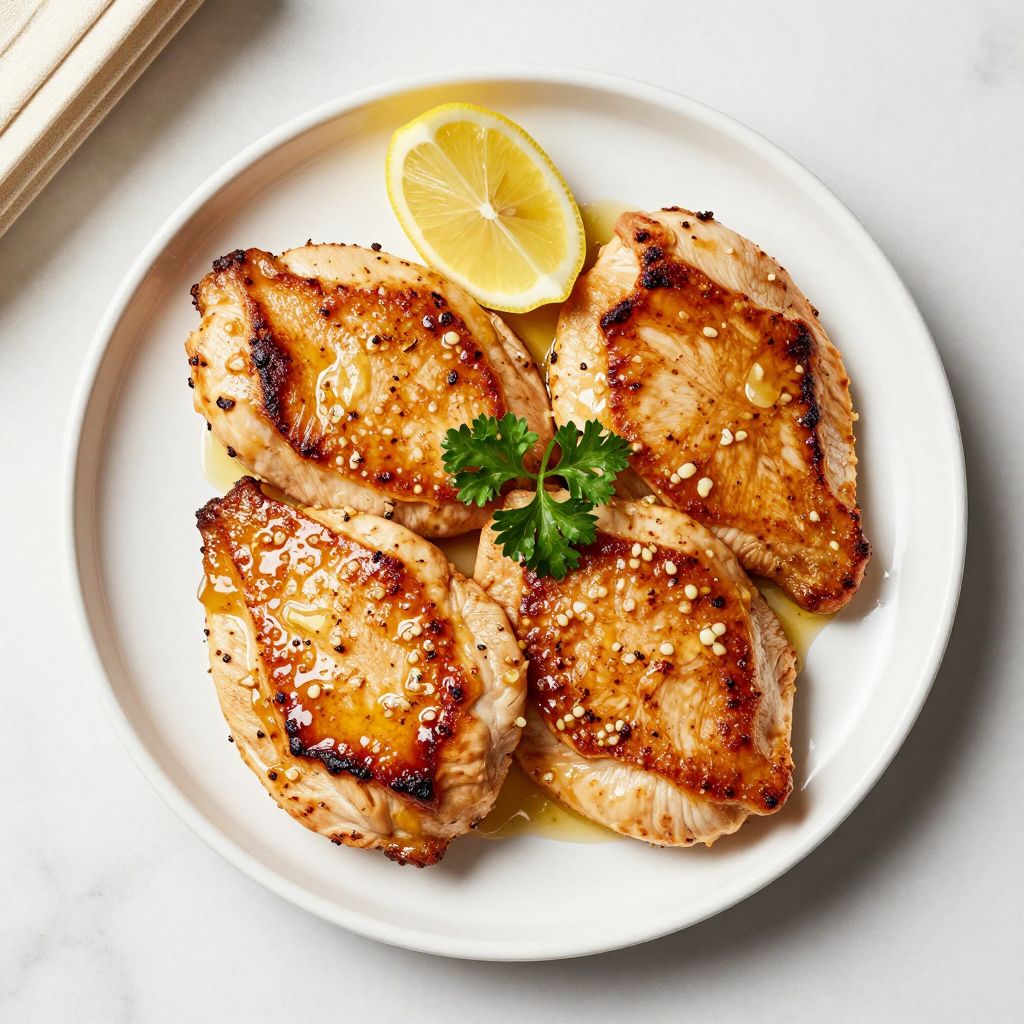
Melt in Your Mouth Chicken
Ingredients
Equipment
Method
- Pound the chicken to an even 3/4 inch thickness using a meat mallet between sheets of plastic wrap or parchment paper.
- In a shallow bowl, whisk together olive oil, lemon juice, minced garlic, Dijon mustard, honey, kosher salt, black pepper, and Italian herbs until combined.
- Place the chicken in a zip-top bag or shallow dish and pour the marinade over it, sealing and massaging to coat; refrigerate for at least 30 minutes.
- Remove chicken from the refrigerator 10 minutes before cooking to bring to room temperature, then pat dry and reserve marinade.
- Heat a 12-inch skillet over medium-high heat for 1 minute, then add butter and any remaining marinade oil and swirl to coat.
- Place chicken in the hot skillet and cook undisturbed for 6 to 7 minutes until golden brown on the first side.
- Flip the chicken, baste with pan juices, and cook for another 5 to 7 minutes until golden and the internal temperature reaches 165°F.
- Transfer chicken to a plate and let rest for 3 to 5 minutes before serving to allow juices to redistribute.