
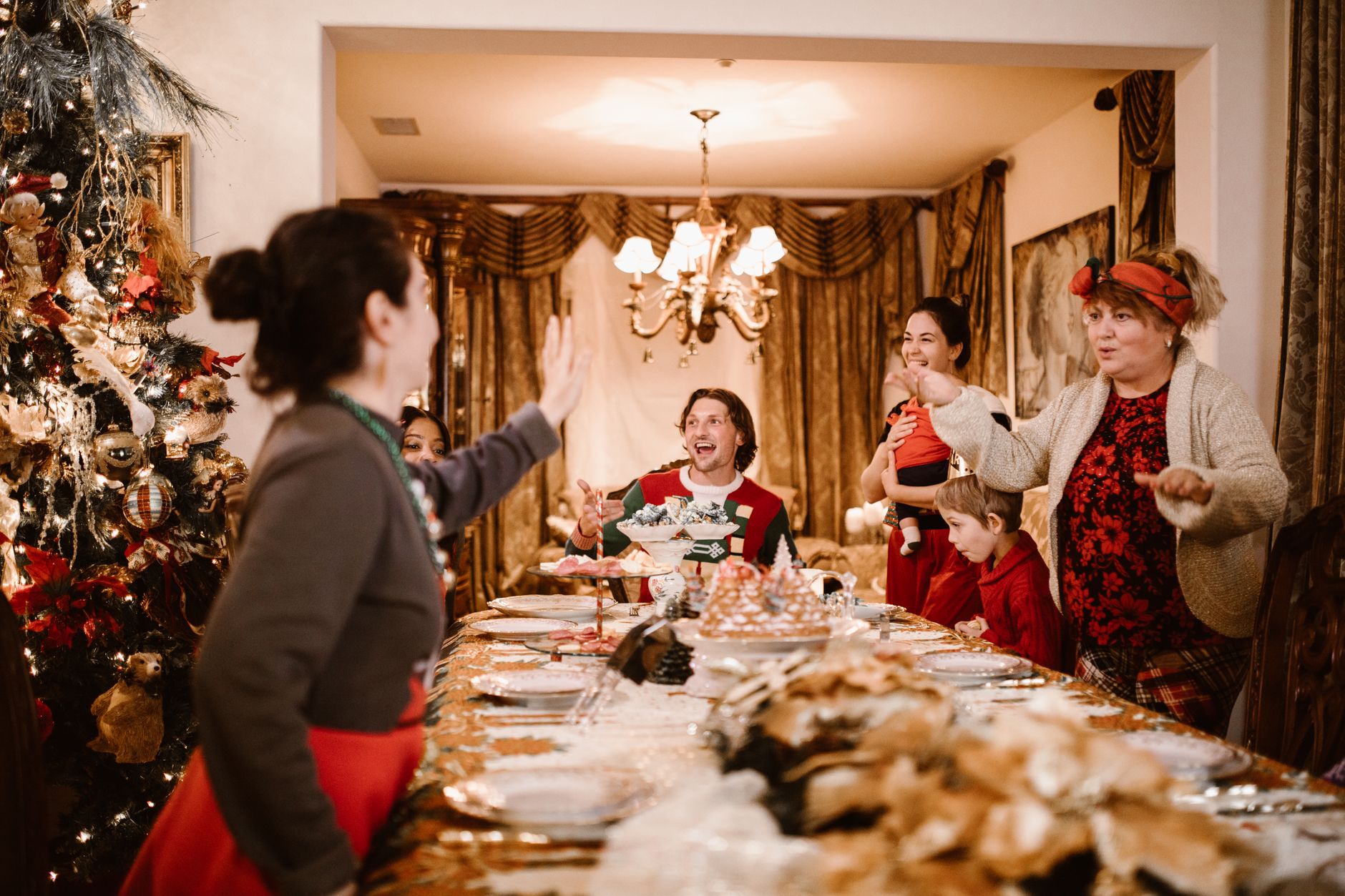
Christmas dinner is a cherished tradition in many households, filled with beloved dishes that come together to create a festive meal. Each family may put their unique spin on the occasion, but certain staples have become synonymous with the traditional Christmas dinner.
This article will explore the components of a traditional Christmas dinner, including main courses, side dishes, desserts, and beverages. You’ll learn about the significance of each dish, regional variations, and tips for planning and preparing a memorable holiday feast.
What Is the Traditional Christmas Dinner?
The traditional Christmas dinner typically features a centerpiece dish, usually roasted meat, accompanied by a variety of side dishes, desserts, and festive drinks. Commonly served items include turkey, ham, stuffing, mashed potatoes, cranberry sauce, and a selection of festive desserts such as Christmas pudding or pie.
Main Courses in Traditional Christmas Dinners
The main course is often the highlight of any Christmas dinner. While there are regional preferences, several dishes are popularly recognized around the world.
Roast Turkey
A roast turkey is perhaps the most classic option for Christmas dinner, especially in the United States and Canada. Typically seasoned and stuffed, it is roasted until golden brown and served with gravy.
Cooking Tips:
- Brining the turkey overnight can enhance moisture and flavor.
- Use a meat thermometer to ensure it reaches an internal temperature of 165°F (74°C).
Ham
Baked ham is another popular main dish in many households, known for its sweet and savory flavor profile. It can be glazed with honey, brown sugar, or mustard for added flavor.
Cooking Tips:
- Score the fat in a diamond pattern before glazing for better caramelization.
- Heating pre-cooked ham is usually quicker than preparing a raw ham, taking about 10-15 minutes per pound.
Prime Rib or Beef Wellington
In some cultures, prime rib or Beef Wellington makes a grand entrance as the main dish. These options add an elegant touch to the Christmas table.
Cooking Tips:
- For prime rib, allow the roast to come to room temperature before cooking to ensure even cooking.
- For Beef Wellington, make sure the pastry is chilled before baking to achieve a flaky texture.
Traditional Side Dishes
The side dishes that accompany the main course play a crucial role in creating a comprehensive meal. They not only add flavor variety but also texture and nutritional balance.
Stuffing/Dressing
Stuffing, typically made from bread cubes, herbs, and various add-ins like sausage or nuts, is often cooked inside the turkey or separately as dressing. Its rich, savory profile makes it a festive staple.
Cooking Tips:
- Use day-old bread for a sturdier texture in stuffing.
- Experiment with herbs like sage, thyme, and parsley for additional flavor.
Mashed Potatoes
Mashed potatoes are a creamy and comforting choice that pairs well with gravy. They can be enhanced with add-ins like garlic or sour cream.
Cooking Tips:
- Use a potato ricer or masher for a smooth texture.
- Warm up the cream and butter before mixing to keep the potatoes hot.
Green Bean Casserole
Green bean casserole, with its creamy sauce and crispy topping, brings a delightful contrast to the richness of holiday meats. It’s a popular dish, especially in American households.
Cooking Tips:
- Using fresh or frozen green beans enhances flavor and texture compared to canned.
- Top with crispy fried onions before serving for an added crunch.
Cranberry Sauce
Cranberry sauce adds a bright, tangy element to the meal, balancing the richness of the meats and gravies. It can be made fresh or served from a can for convenience.
Cooking Tips:
- Combine cranberries with orange juice and zest for a fresh twist.
- Make it a few days in advance; it stores well in the refrigerator.
Traditional Christmas Desserts
Christmas Pudding
This traditional dessert is made with a mixture of dried fruits, spices, and often contains a splash of alcohol for flavor. It’s typically steamed and served warm with custard or cream.
Cooking Tips:
- Traditionally, coins or charms are hidden inside the pudding for added festive fun!
- Make it well in advance, as the flavors deepen the longer it sits.
Pumpkin or Pecan Pie
In the United States, pumpkin or pecan pie is a favorite holiday dessert, flaunting a flaky crust and rich, spiced filling. They can be made ahead of time and served cold or warm.
Cooking Tips:
- Use chilled ingredients for a flakier pie crust.
- Consider serving with whipped cream for a luscious finish.
Yule Log (Bûche de Noël)
This iconic dessert originates from France and is made from a chocolate sponge cake filled with cream and shaped into a log. It’s often decorated with chocolate bark and festive decorations.
Cooking Tips:
- Roll the cake while still warm to prevent cracking.
- Dust with cocoa powder or powdered sugar for a snow-like effect.
Festive Beverages
Alongside the meal, drinks play an essential role in Christmas celebrations. From non-alcoholic options to festive cocktails, there’s something for everyone.
Eggnog
This creamy, spiced drink is a holiday classic. It can be served either alcoholic or non-alcoholic and often features flavors like nutmeg and cinnamon.
Cooking Tips:
- Serve chilled with a sprinkle of nutmeg on top for garnish.
- For a richer flavor, use whole milk or cream in the recipe.
Mulled Wine
Mulled wine is a warm spiced beverage with red wine, citrus, and spices like cinnamon and cloves. It’s a wonderful way to warm up the guests during cold weather.
Cooking Tips:
- Simmer gently to avoid boiling off the alcohol.
- Garnish with fresh orange slices and cinnamon sticks for an inviting presentation.
Hot Chocolate
Rich and creamy hot chocolate can be served as a comforting non-alcoholic option. It can be topped with whipped cream, marshmallows, or even a hint of peppermint.
Cooking Tips:
- Mix cocoa powder with sugar and a pinch of salt before adding liquids to ensure smooth mixing.
- Experiment with flavored syrups like peppermint for a festive touch.
Regional Variations of Christmas Dinner
Christmas dinners can vary widely by region, reflecting local traditions and available ingredients. Here are a few notable examples.
United Kingdom
In the UK, the traditional meal often includes roast turkey or goose, served with sides like Brussels sprouts, roasted potatoes, and Yorkshire pudding. Christmas pudding is commonly served as dessert.
Italy
The Italian celebration often features a multi-course meal including pasta, fish dishes (especially on Christmas Eve), and a variety of meats. Desserts like panettone and pandoro are popular during this season.
Germany
In Germany, the festive meal might center around roast goose, duck, or turkey, served with red cabbage and potato dumplings. Stollen, a fruit bread dusted with powdered sugar, is a typical choice for dessert.
Sweden
The Swedish julbord features an array of dishes, including ham, pickled herring, meatballs, and Janssons frestelse (a creamy potato dish). A rice pudding is often served for dessert, hiding a single almond for good luck.
Planning Your Traditional Christmas Dinner
Successfully preparing a Christmas dinner can seem daunting, but careful planning can simplify the process. Here are steps to consider:
1. Create Your Menu
Choose the main course and sides based on family traditions and preferences. Include a mix of flavors and textures to keep the meal interesting.
2. Make a Shopping List
Once your menu is set, compile a shopping list of all necessary ingredients, checking your pantry for items already on hand to minimize costs.
3. Prepare Ahead
Many dishes can be made in advance and stored. For instance, desserts like pumpkin pie or cranberry sauce can be prepared days ahead, and many side dishes benefit from early preparation.
4. Set a Timeline
Plan a cooking schedule to ensure all dishes are finished at about the same time. Remember to account for resting times, especially for meats.
Common Mistakes to Avoid
While preparing Christmas dinner, several pitfalls can derail your meal:
1. Overcooking the Turkey
One of the most frequent mistakes is overcooking the turkey, resulting in dry meat. Utilize a meat thermometer to check for doneness reliably.
2. Underestimating Cooking Time
Always allow more time than you think you’ll need when cooking a large meal, considering the extra time required for side dishes and resting the meat.
3. Not Tasting as You Go
Don’t forget to taste your food at various stages. Adjust seasonings throughout the cooking process to ensure optimal flavor.
Storage and Reheating Tips
Leftovers can be a delightful extension of your Christmas dinner experience when handled properly. Here are some guidelines:
Storage
- Store leftovers in airtight containers and refrigerate within two hours of cooking.
- Most cooked dishes will last three to four days in the refrigerator.
Reheating
- Reheat in the oven for best results, allowing for crispy textures, especially for leftover roasted meat and potatoes.
- Use the microwave for quick reheating, but do so in intervals to avoid overheating.
Christmas dinner is an opportunity to gather and celebrate with family and friends, marked by cherished flavors and traditions. Whether you stick to classic dishes or incorporate your family’s favorites, the joy of sharing a meal is what truly makes the holiday special.
Explore related recipes and guides to enhance your holiday cooking experience, such as how to make ham salad or prepare cranberry sauce with orange to complement your Christmas dinner spread.