
Picture a cozy kitchen filled with the warm, earthy aroma of spices mingling with the comforting scent of cooked grains. That’s what making Maftoul feels like, a dish that’s both a labor of love and a delightful culinary adventure. This traditional Palestinian dish is not just about the flavors; it’s about the stories shared over family meals and how each grain of maftoul tells a tale of heritage. With its nutty texture and aromatic spices, you’ll find this dish to be a beautiful centerpiece for any table. Ready to learn how to make this wholesome grain dish that’s full of flavor and history? Let’s get to it!
Why You’ll Love This Recipe
This Maftoul recipe is a treasure worth trying for several reasons.
- Rich in flavor with aromatic spices and herbs.
- Nutty texture that pairs well with various toppings.
- Perfect for meal prep and serves a crowd.
- Versatile, can be enjoyed warm or cold.
- A great way to explore Palestinian cuisine.
My Experience Making This Recipe
The first time I made Maftoul, I was amazed by how simple yet rewarding the process was. The grains puffed up beautifully as they cooked, and the kitchen filled with an irresistible aroma that drew everyone in.
When I served it, the maftoul had a delightful chewiness, perfectly complemented by a tangy yogurt sauce. Seeing my family enjoy it was the icing on the cake; it’s hard not to love a dish that brings everyone together!
Recipe Overview
- Recipe Name: Maftoul
- Servings: 4
- Prep Time: 15 minutes
- Cook Time: 30 minutes
- Total Time: 45 minutes
- Course: Main Dish
- Cuisine: Palestinian
- Calories per Serving: 320
Equipment You Will Need
- Large pot
- Strainer
- Wooden spoon
- Measuring cups and spoons
- Serving dish
Ingredients for Maftoul
- 2 cups of maftoul (or Israeli couscous)
- 2 tablespoons of olive oil
- 1 teaspoon of salt
- 3 cups of water or broth
- 1 teaspoon of ground cumin
- 1 teaspoon of ground coriander
- ½ teaspoon of black pepper
- 1 onion, finely chopped
- 2 cloves of garlic, minced
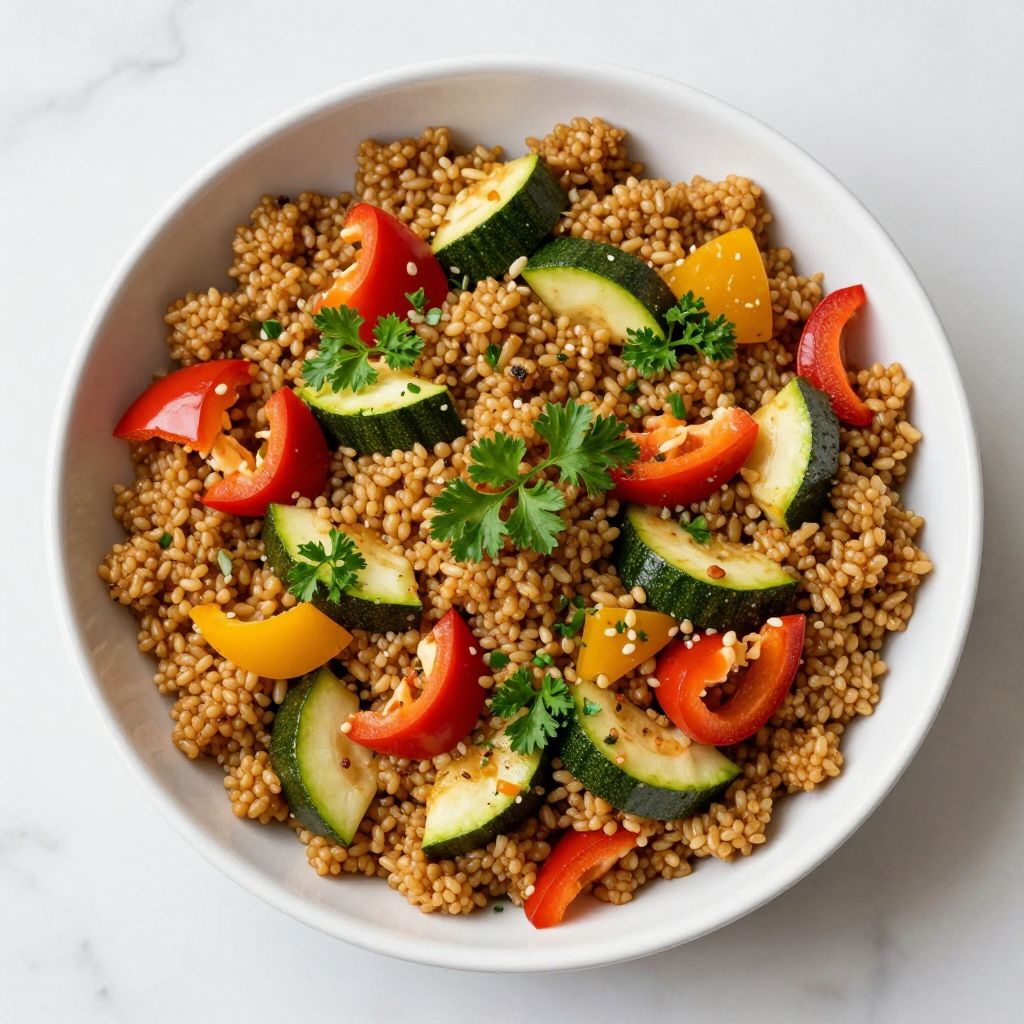
- 1 cup of chopped vegetables (like bell pepper or zucchini)
- Fresh parsley, for garnish
Ingredient Notes and Substitutions
- Maftoul: This is a traditional grain similar to couscous; you can substitute it with Israeli couscous or orzo if needed.
- Olive oil: It adds richness; you can swap it for vegetable oil for a lighter option.
- Vegetables: Customize with any seasonal veggies; frozen mixed vegetables work in a pinch.
How to Make Maftoul
Step 1: Rinse the Maftoul
Start by rinsing the maftoul under cold water. This helps remove excess starch, preventing it from becoming gummy.
Step 2: Sauté the Aromatics
In a large pot, heat the olive oil over medium heat. Add the chopped onion and garlic, sautéing until fragrant and the onion is translucent, about 3-4 minutes.
Step 3: Add Vegetables and Spices
Stir in the chopped vegetables, cumin, coriander, and black pepper. Cooking these spices enhances their flavors, making the dish more aromatic.
Step 4: Toast the Maftoul
Add the rinsed maftoul to the pot, stirring to coat it with the oil and spices. Toasting the grains for a few minutes deepens their flavor.
Step 5: Pour in the Liquid
Carefully add the water or broth and salt to the pot. This will hydrate the maftoul, so make sure to stir well to combine.
Step 6: Bring to a Boil
Increase the heat to high and bring the mixture to a boil. Once boiling, reduce the heat to low, cover, and let it simmer for 20-25 minutes.
Step 7: Fluff the Maftoul
After the cooking time, remove the pot from heat and let it sit covered for 5 minutes. Fluff the maftoul with a fork to separate the grains.
Step 8: Serve and Garnish
Transfer the maftoul to a serving dish and garnish with fresh parsley. This adds a pop of color and freshness to the dish.
Pro Tip: For an extra flavor boost, consider adding a squeeze of lemon juice before serving.
Tips for the Best Maftoul
- Use broth instead of water for more depth of flavor.
- Don’t skip the toasting step; it adds a lovely nuttiness.
- Feel free to mix in cooked proteins like chicken or chickpeas for a heartier dish.
- Let it rest after cooking to allow the flavors to meld.
- Experiment with different spices to make it your own.
Common Mistakes to Avoid
- Not rinsing the maftoul can lead to a gummy texture.
- Skipping the toasting step results in bland flavors.
- Overcooking can make the grains mushy; keep an eye on the timer.
- Not allowing it to rest can make it taste less integrated.
Serving Suggestions
Maftoul pairs beautifully with various dishes, making it a versatile option for any meal. Here are some ideas:
- Serve with grilled chicken or lamb.
- Pair with a side of roasted vegetables.
- Top with a dollop of yogurt or tahini sauce.
- Enjoy alongside a fresh tabbouleh salad.
Variations to Try
- Add dried fruits like raisins or apricots for a sweet twist.
- Incorporate nuts such as almonds or pine nuts for added crunch.
- Make it spicy by adding red pepper flakes or diced jalapeños.
- Create a Mediterranean version with olives and feta cheese.
Dietary Adaptations
- Gluten-Free: Use quinoa or rice instead of maftoul.
- Dairy-Free: Omit yogurt or use a plant-based alternative.
- Vegetarian: Add more vegetables or chickpeas for protein.
- Low-Carb/Keto: Substitute maftoul with cauliflower rice.
Storage and Reheating
Refrigerator
Store leftover maftoul in an airtight container in the fridge for up to 4 days.
- Let it cool completely before storing.
- Label the container with the date for freshness.
Freezer
You can freeze maftoul for up to 3 months. Just ensure it’s in a freezer-safe container.
- Thaw in the refrigerator overnight before reheating.
- Use within the recommended time for best quality.
Reheating
Reheat in a pot over low heat, adding a splash of water if needed to prevent sticking.
- Alternatively, you can microwave it in short bursts.
Nutrition Information
| Nutrient | Amount |
|---|---|
| Calories | 320 |
| Total Fat | 8g |
| Saturated Fat | 1g |
| Carbohydrates | 55g |
| Fiber | 4g |
| Sugar | 2g |
| Protein | 10g |
| Sodium | 300mg |
| Cholesterol | 0mg |
This nutritional information is approximate and can vary based on specific ingredients used.
Frequently Asked Questions
Can I make this ahead of time?
Absolutely! You can prepare maftoul a day in advance and reheat it when ready to serve.
What can I substitute for maftoul?
You can use Israeli couscous or orzo as a substitute, though the texture will vary slightly.
How do I store leftovers?
Keep leftovers in an airtight container in the fridge for up to 4 days or freeze for up to 3 months.
Why is my maftoul mushy?
This usually happens if it is overcooked or if too much water is used during cooking.
Can I add protein to this dish?
Definitely! Cooked chicken, lamb, or chickpeas are great additions for added protein.
Final Thoughts
Making Maftoul is not just about following a recipe; it’s about creating a warm, inviting meal that brings people together. I encourage you to try this dish and share it with loved ones; you might just find yourself making it a regular on your dinner table.
If you’re interested in more culinary explorations, check out my posts on substituting rosemary or try the creamy coconut shrimp recipe. Happy cooking!
Maftoul
Ingredients
Equipment
Method
- Rinse the maftoul under cold water to remove excess starch.
- In a large pot, heat the olive oil over medium heat.
- Add the chopped onion and garlic, sautéing until the onion is translucent, about 3-4 minutes.
- Stir in the chopped vegetables, cumin, coriander, and black pepper.
- Add the rinsed maftoul to the pot, stirring to coat it with the oil and spices.
- Carefully add the water or broth and salt to the pot, stirring to combine.
- Increase the heat to high and bring the mixture to a boil.
- Once boiling, reduce the heat to low, cover, and let it simmer for 20-25 minutes.
- After the cooking time, remove the pot from heat and let it sit covered for 5 minutes.
- Fluff the maftoul with a fork to separate the grains.
- Transfer the maftoul to a serving dish and garnish with fresh parsley.