
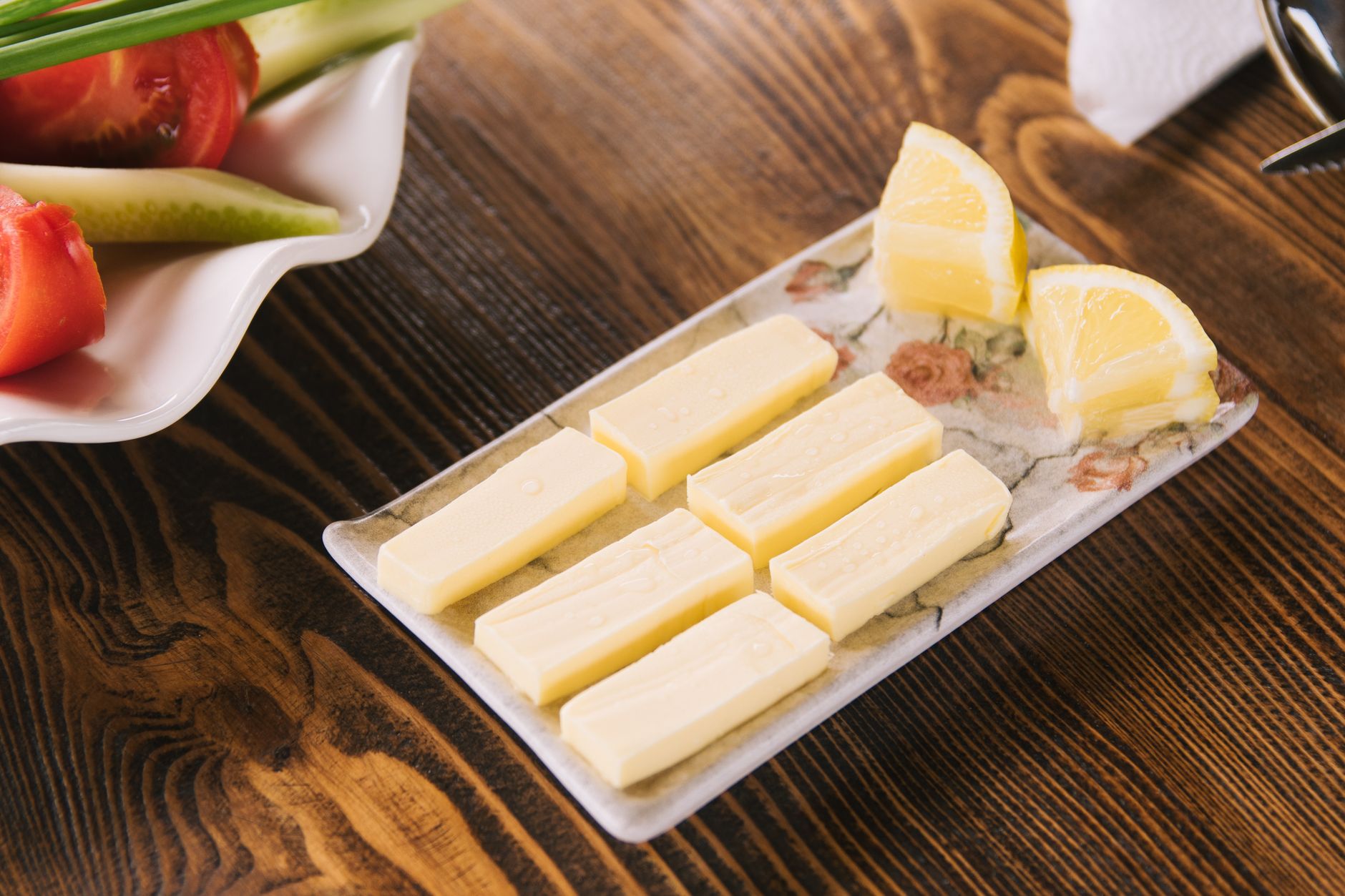
Butter is a staple ingredient in many kitchens, often used in cooking and baking for its rich flavor and texture. However, many home cooks face a dilemma: how to measure butter correctly for recipes. A common point of confusion is determining how much 3/4 of a stick of butter actually is. Understanding this metric can make all the difference in achieving perfect results in your culinary endeavors.
In this article, we’ll explore the specifics of measuring butter, various forms it comes in, and how to accurately measure 3/4 of a stick. Additionally, we will provide practical tips, common substitutions, and why precision in measurements can significantly impact your cooking and baking outcomes.
How Much Is 3/4 of a Stick of Butter?
Three-quarters of a stick of butter equals 6 tablespoons or 84 grams. Most butter sticks in the U.S. come in 1/2 cup segments, each stick measuring 1/2 cup or 8 tablespoons in total. Therefore, 3/4 of a stick is slightly more than half of the entire stick. This measurement is essential for accurate baking and cooking.
Understanding Butter Measurements
To make the most of butter in your cooking and baking, it is crucial to understand the different ways butter can be measured:
- Sticks: In the U.S., butter typically comes in sticks, which are often marked with tablespoon measurements along the wrapper for convenience.
- Tablespoons: A single stick of butter contains 8 tablespoons, so measuring by tablespoons gives you flexibility and precision for various recipes.
- Grams: For those using metric measurements, butter can be weighed. One stick weighs approximately 113 grams.
- Cups: Butter can also be measured in cups, with 1 stick equating to 1/2 cup.
The Importance of Accurate Measurements
In cooking, especially baking, precise measurements are crucial. Unlike savory dishes where proportions can be adjusted, baking relies on chemical reactions between ingredients that require a specific balance.
Using too much or too little butter can lead to a variety of issues, including:
- An incorrect texture: Too much butter may result in a greasy product, while too little can make baked goods dry.
- Flavor imbalance: Butter contributes richness; not linking enough can lead to bland results.
- Inconsistent rise: For baked goods like cakes or cookies, the amount of fat affects how they rise during baking.
How to Measure Butter Accurately
To measure 3/4 of a stick of butter accurately, follow these steps:
- Take the stick of butter out of the package and look for the marked lines on the wrapper. These lines indicate tablespoon measurements.
- Identify the 6-tablespoon mark, which is equivalent to 3/4 of the stick.
- Using a sharp knife, cut the butter at the 6-tablespoon mark. Ensure that you measure carefully to avoid cutting too little or too much.
- If you prefer using weight, place the butter on a kitchen scale until you reach 84 grams.
Alternative Measurements for Butter
If you don’t have a stick of butter handy or prefer alternative forms, here are some other ways to measure butter:
- Butter in a tub: If using spreadable butter, it is more challenging to measure precisely, but one tablespoon typically weighs around 14 grams.
- Salted vs. unsalted: Choose the type that suits your recipe. For sweets, unsalted butter is often recommended to allow better control over salt content.
Substituting for Butter
Sometimes, you may not have enough butter or wish to use a different fat to accommodate dietary restrictions. Here are some common substitutions and their equivalents:
- Margarine: Use the same amount as butter, so 3/4 of a stick equals 6 tablespoons of margarine.
- Shortening: Shortening is a viable substitute. Use the same measurement—3/4 stick of butter can be replaced with 6 tablespoons of shortening.
- Coconut oil: Coconut oil can replace butter in equal amounts but may add a slight coconut flavor.
- Applesauce: For a healthier option, use unsweetened applesauce. Replace butter with 1/4 cup of applesauce for every 1/4 cup of butter.
Common Mistakes When Measuring Butter
Even seasoned cooks can make mistakes with butter measurements. Here are some common pitfalls to avoid:
- Not using cold butter: Many recipes require cold or room-temperature butter. Check your recipe to ensure you are using the correct temperature for optimal results.
- Ignoring the markings: Always measure from the stick’s markings if available; guesswork may lead to inaccurate amounts.
- Pressing the butter: If you press or pack soft butter into a measuring cup, you may end up with more than the intended amount.
Butter Temperatures and Their Uses
The temperature of butter greatly affects its behavior in recipes:
- Cold butter: Typically used in flaky pastries and pie crusts, cold butter helps create a tender texture when cut into dry ingredients.
- Room temperature butter: Commonly used in cakes, cookies, and frostings, room temperature butter blends smoothly, incorporating air and creating a light texture.
- Melted butter: Often used in recipes like brownies or some cookie recipes for added moisture and a denser texture.
Using Butter in Cooking and Baking
Knowing how to measure butter and its incorporation is essential across various recipes. Here’s how to use butter properly in several contexts:
- Baking: Precise measurements are essential for success in baking recipes, such as cakes and cookies.
- Sautéing: Use butter over medium heat to add flavor and aid in browning foods like vegetables while keeping an eye on the heat to avoid burning it.
- Finishing sauces: Add a tablespoon of cold butter at the end of cooking to enrich sauces.
Practical Tips for Storing Butter
Proper storage extends the life of your butter and helps maintain its quality. Here’s how to store butter effectively:
- Refrigeration: Keep butter in the fridge sealed tightly to prevent it from absorbing other odors. It lasts for about 1-3 months.
- Freezing: If you have excess butter, you can freeze it. Wrap tightly in plastic wrap or foil, then place in a plastic bag or freezer-safe container to prevent freezer burn. Properly frozen butter lasts about 6-9 months.
- Softening: If you need softened butter quickly, cut it into small chunks, or grate it for faster melting.
Butter and Dietary Considerations
Many individuals have dietary preferences or restrictions. Here are a few guidelines regarding butter in various diets:
- Vegetarian: Regular butter is suitable for vegetarians.
- Vegan: Use plant-based alternatives like margarine or coconut oil.
- Lactose intolerance: Lactose-free butter or margarine options are available for those who cannot consume lactose.
Final Thoughts on Measuring Butter
Understanding how much is 3/4 of a stick of butter and how to measure it correctly significantly impacts your culinary creations. Whether you are baking pastries, making sauces, or sautéing vegetables, precise butter measurements enhance the final product’s flavor and texture.
For anyone serious about their culinary skills, knowing how to measure butter accurately is a skill worth mastering. Try your hand at measuring next time to ensure your dishes turn out as delicious as intended. Happy cooking!
Explore more culinary tips and delightful recipes by checking out our cinnamon roll recipe or learn how to make butter swim biscuits.