
Picture this: the warm aroma of freshly steamed dumplings fills your kitchen, reminding you of cozy family gatherings and lively celebrations. The Korean Mandu is not just a dish; it’s a delightful experience that brings everyone together around the table, making it a perfect choice for parties or a comforting weeknight meal.
This recipe is special because it balances a savory filling with a tender, chewy wrapper, and it’s versatile enough to suit various taste preferences. Whether you choose to steam, pan-fry, or boil them, these dumplings are sure to impress.
Why You’ll Love This Recipe
This recipe is a must-try for so many reasons.
- Deliciously savory and satisfying.
- Versatile filling options for every palate.
- Fun to make with family or friends.
- Can be served as an appetizer or main dish.
- Perfect for meal prep and freezing.
My Experience Making This Recipe
Every time I make Korean Mandu, I’m transported back to my childhood, where my grandmother would gather us around the kitchen table to fold the dumplings together. The laughter and chatter filled the air as we crafted these little pockets of joy.
When I served them for dinner recently, the compliments rolled in, and I couldn’t help but feel proud. The crispy edges and juicy filling made for a delightful combination that had everyone coming back for seconds.
Recipe Overview
- Recipe Name: Korean Mandu
- Servings: 4
- Prep Time: 30 minutes
- Cook Time: 15 minutes
- Total Time: 45 minutes
- Course: Appetizer/Main
- Cuisine: Korean
- Calories per Serving: 250
Equipment You Will Need
- Mixing bowl
- Rolling pin
- Steamer or frying pan
- Cutting board
- Sharp knife
Ingredients for Korean Mandu
- 1 cup ground beef or pork
- 1 cup finely chopped napa cabbage
- 1/2 cup chopped green onions
- 1/4 cup grated carrot
- 2 cloves garlic, minced
- 1 tablespoon soy sauce
- 1 tablespoon sesame oil
- 1 teaspoon ground black pepper
- 1 package mandu wrappers (about 30)
Ingredient Notes and Substitutions
- Ground beef or pork: This adds rich flavor. You can substitute with ground chicken or tofu for a lighter option.
- Napa cabbage: It provides a gentle crunch. Regular cabbage or spinach can work in a pinch.
- Green onions: They add freshness. Chives or shallots can be used as alternatives.
- Garlic: Essential for depth of flavor. Garlic powder can replace fresh garlic if needed.
- Mandu wrappers: These make assembly easy. Wonton wrappers are a good substitute, though they may be thicker.
How to Make Korean Mandu
Step 1: Prepare the Filling
In a large mixing bowl, combine the ground meat, napa cabbage, green onions, carrot, garlic, soy sauce, sesame oil, and black pepper. This mixture is the heart of your mandu, bringing all those delicious flavors together.
Step 2: Mix Thoroughly
Use your hands to mix the filling until well combined. This ensures that every bite is packed with flavor, so don’t skimp on this step!
Step 3: Assemble the Mandu
Take a mandu wrapper and place a teaspoon of filling in the center. It’s tempting to overfill, but trust me, keeping it small helps with sealing and cooking.
Step 4: Seal the Edges
Moisten the edges of the wrapper with water, fold it over the filling, and press firmly to seal. This creates those cute little dumplings we all love and prevents them from opening during cooking.
Step 5: Prepare for Cooking
Once all your mandu are assembled, you can choose to steam, boil, or pan-fry them. Each method offers a unique texture — steaming keeps them soft, boiling makes them chewy, and frying gives a crispy edge.
Step 6: Cook the Mandu
If steaming, place them in a steamer basket lined with parchment paper and steam for about 10 minutes. For frying, heat oil in a pan and cook until golden brown on both sides, about 3-4 minutes each.
Step 7: Serve and Enjoy
Transfer the cooked mandu to a plate and serve with soy sauce or your favorite dipping sauce. The crispy outside and juicy filling will have everyone reaching for more.
Step 8: Store Any Leftovers
If you have any leftovers, let them cool completely before storing. This makes reheating much easier later on.
Pro Tip: Make a double batch and freeze half for a quick meal later. Just steam or fry from frozen, and you’ll have a delicious dish ready in no time.
Tips for the Best Korean Mandu
- Make sure to chop your vegetables finely for even cooking.
- Don’t overcrowd the pan when frying; this creates steam instead of that crispy texture you want.
- Experiment with different proteins or even a vegetarian filling for variety.
- Using fresh ingredients enhances flavors and textures immensely.
- Allow your filling to cool before assembling to prevent soggy wrappers.
Common Mistakes to Avoid
- Overfilling the wrappers: It makes sealing difficult and can cause them to burst during cooking.
- Not sealing properly: This leads to leaking filling, which is a sad situation.
- Cooking them at too high a temperature: You risk burning the outside while the filling remains raw.
- Using stale wrappers: Fresh wrappers yield a better texture and flavor.
Serving Suggestions
Pair your Korean Mandu with some delightful sides for a full meal.
- Serve with a side of kimchi for a tangy kick.
- Pair with a light salad for freshness.
- Accompany with a warm bowl of rice for a hearty meal.
- Try with a dipping sauce like soy sauce or ssamjang for an extra flavor boost.
Variations to Try
- Use shrimp instead of meat for a seafood twist.
- Incorporate mushrooms for an earthy flavor.
- Add chopped spinach for extra nutrients.
- Try a spicy kimchi filling for heat lovers.
Dietary Adaptations
- Gluten-free: Use gluten-free wrappers or make your own from rice flour.
- Dairy-free: This recipe is naturally dairy-free.
- Vegetarian: Substitute ground meat with tofu or a mix of vegetables.
- Low-carb/keto: Use thinly sliced zucchini instead of wrappers.
Storage and Reheating
Refrigerator
Store leftovers in an airtight container for up to three days.
- Keep them in a single layer to avoid sticking.
- Reheat in a pan for the best texture.
Freezer
Freeze uncooked mandu on a baking sheet, then transfer to a freezer bag once solid.
- They can be frozen for up to three months.
- Cook from frozen for a quick meal.
Reheating
Reheat steamed mandu by placing them back in the steamer for a few minutes.
- For fried mandu, re-crisp in a hot pan with a touch of oil.
- Boiled mandu can be warmed in hot water for a quick refresh.
Nutrition Information
| Nutrient | Amount |
|---|---|
| Calories | 250 |
| Total Fat | 12g |
| Saturated Fat | 4g |
| Carbohydrates | 30g |
| Fiber | 2g |
| Sugar | 1g |
| Protein | 10g |
| Sodium | 300mg |
| Cholesterol | 35mg |
This nutrition information is an estimate and can vary based on ingredients used.
Frequently Asked Questions
Can I make the filling ahead of time?
Absolutely! You can prepare the filling a day in advance and store it in the fridge.
What if my mandu wrappers tear?
If they tear, just use a small piece of another wrapper to patch it up before sealing.
Can I bake mandu instead of frying or steaming?
Yes, you can bake them at 400°F for about 20 minutes, flipping halfway for even cooking.
How do I prevent them from sticking together?
Dust the cooked mandu with a bit of cornstarch or serve them on a plate lined with parchment paper.
Can I make them vegetarian?
Yes! Replace the meat with a mix of mushrooms, tofu, and vegetables for a tasty vegetarian option.
Final Thoughts
Making Korean Mandu is more than just cooking; it’s about creating memories and sharing delicious food. I hope you give this recipe a try and enjoy the delightful flavors and textures that come together in each bite.
If you’re hungry for more, explore these tasty recipes: Galbitang Recipe and Ssamjang Recipe. Happy cooking!
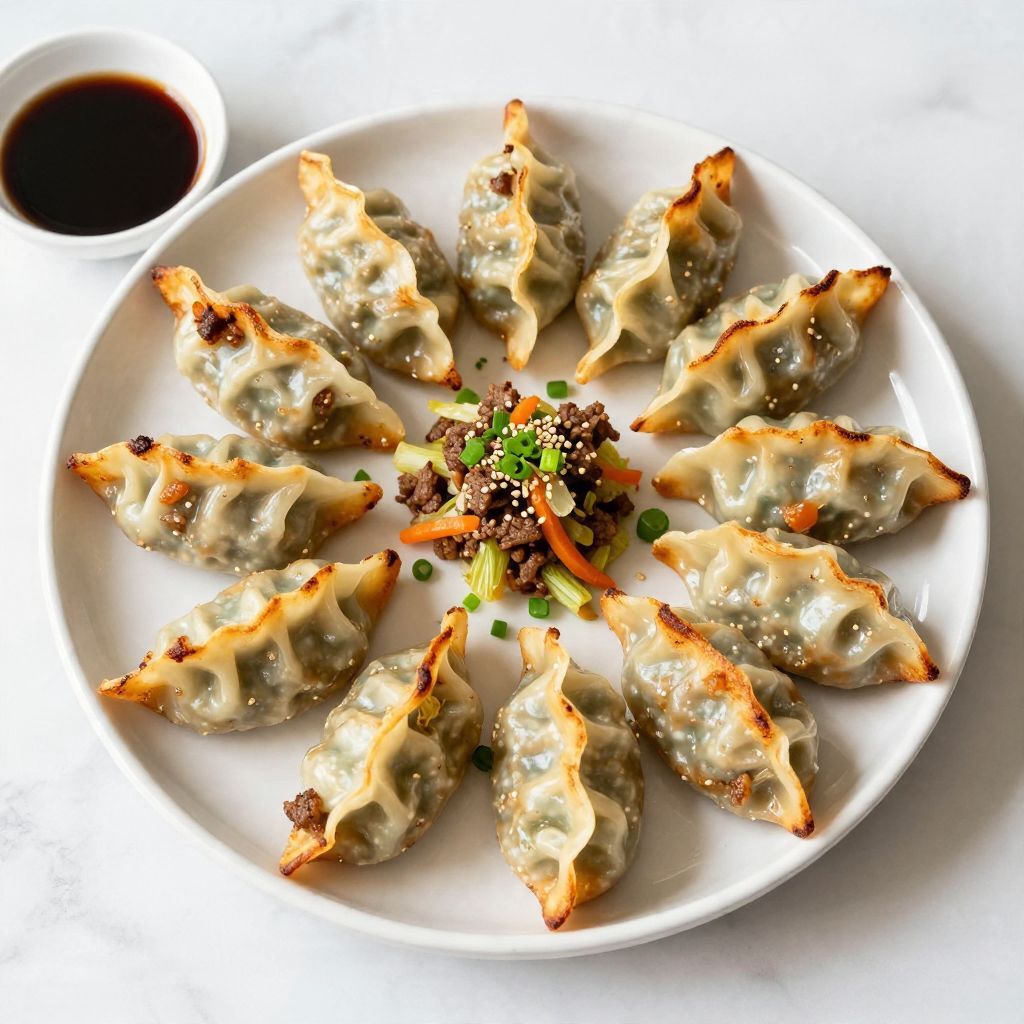
Korean Mandu
Ingredients
Equipment
Method
- In a large mixing bowl, combine the ground beef or pork, napa cabbage, green onions, grated carrot, minced garlic, soy sauce, sesame oil, and ground black pepper.
- Use your hands to mix the filling until well combined.
- Take a mandu wrapper and place a teaspoon of filling in the center.
- Moisten the edges of the wrapper with water, fold it over the filling, and press firmly to seal.
- Once all your mandu are assembled, you can choose to steam, boil, or pan-fry them.
- If steaming, place them in a steamer basket lined with parchment paper and steam for about 10 minutes.
- For frying, heat oil in a pan and cook until golden brown on both sides, about 3-4 minutes each.
- Transfer the cooked mandu to a plate and serve with soy sauce or your favorite dipping sauce.
- If you have any leftovers, let them cool completely before storing.