
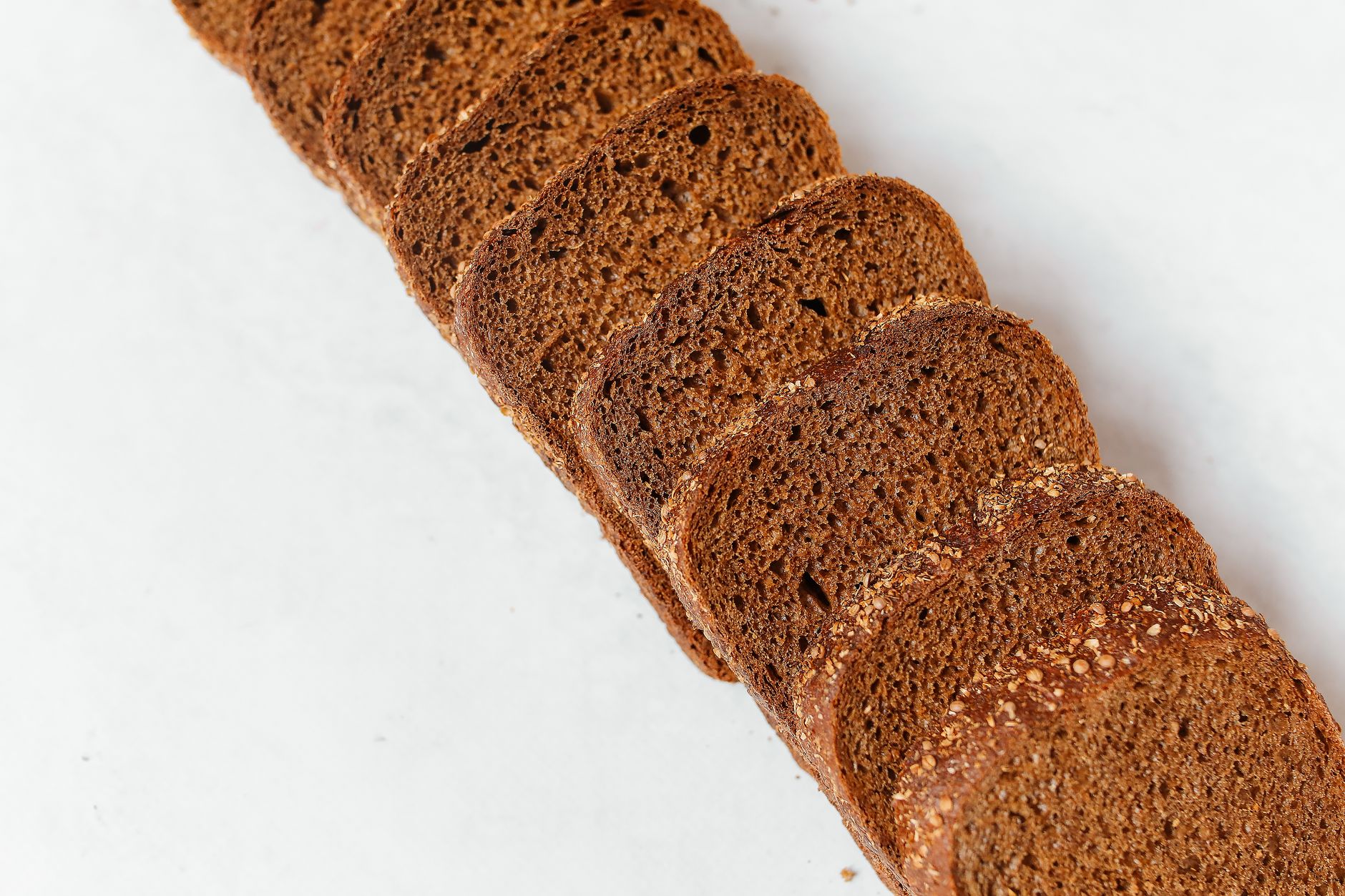
Rye bread is a staple in many cultures, known for its unique flavor and dense texture. As more people become conscious of their dietary choices, questions arise about whether rye bread is healthy or harmful. This article delves into the nutritional aspects of rye bread, potential health implications, and considerations to keep in mind when including it in your diet.
Rye bread is primarily made from rye flour, which offers a distinctive taste compared to wheat bread. Its fiber content, glycemic index, and other nutritional factors play a role in determining its health benefits. Whether you’re looking to broaden your culinary repertoire or simply curious about rye bread’s impact on health, this comprehensive guide will provide valuable insights.
Is Rye Bread Bad for You?
The question of whether rye bread is bad for you largely depends on individual health conditions, dietary preferences, and the type of rye bread consumed. Generally, when made from whole grain rye, it offers health benefits by being rich in fiber, vitamins, and minerals. However, it may not be suitable for everyone, particularly those with gluten sensitivity or specific dietary restrictions.
Nutritional Profile of Rye Bread
To better understand the implications of including rye bread in your diet, let’s examine its nutritional profile. Rye flour is distinct from wheat flour and contains essential nutrients that contribute to several health benefits.
Calories and Macronutrients
On average, one slice of rye bread (approximately 64 grams) contains the following nutritional components:
- Calories: 170
- Protein: 5-6 grams
- Carbohydrates: 34-36 grams
- Fiber: 4-5 grams
- Fat: 1-2 grams
These quantities can vary slightly depending on the method of preparation and specific recipe used, but rye bread typically contains more fiber than traditional white bread. The higher fiber content is associated with numerous health benefits, including better digestive health and increased satiety.
Vitamins and Minerals
Rye bread is rich in several vitamins and minerals, including:
- B vitamins (especially B1, B3, and B6) which play significant roles in energy metabolism
- Magnesium, which aids in muscle function and bone health
- Iron, important for oxygen transport in the blood
- Phosphorus, essential for bone health and various bodily functions
The presence of these nutrients can make rye bread a beneficial addition to a balanced diet, supporting overall health and well-being.
Health Benefits of Rye Bread
When consumed in moderation as part of a balanced diet, rye bread can offer several health benefits. Here are some key advantages:
1. High Fiber Content
The fiber in rye bread can improve digestion, help regulate blood sugar levels, and support heart health. Whole grain rye is an excellent source of dietary fiber, which plays a crucial role in enhancing gut health and preventing constipation.
2. Lower Glycemic Index
Rye bread typically has a lower glycemic index (GI) compared to white bread. A lower GI means that it causes a slower, more gradual rise in blood sugar levels. This can be particularly beneficial for individuals with diabetes or those looking to maintain steady energy levels throughout the day.
3. Heart Health
Incorporating rye bread into your diet may help reduce cholesterol levels, thereby potentially decreasing the risk of heart disease. The soluble fiber in rye can help lower LDL cholesterol (the “bad” cholesterol) and support a healthy cardiovascular system.
4. Weight Management
Due to its high fiber and protein content, rye bread can promote feelings of fullness and satiety. This may help with appetite control and weight management, making it easier to avoid overeating during meals.
Potential Drawbacks of Rye Bread
Despite its benefits, rye bread may not be suitable for everyone. Consider the following potential drawbacks before incorporating it into your diet.
1. Gluten Sensitivity and Celiac Disease
Rye contains gluten, making it unsuitable for individuals with celiac disease or those with gluten sensitivity. Consumption of rye bread can trigger adverse reactions in these individuals, ranging from digestive issues to other health complications.
2. Caloric Intake
While rye bread has several health benefits, it’s still important to monitor portion sizes. Overconsumption can lead to excess calorie intake, which may counteract the health benefits. As with any food, moderation is key.
3. Phytic Acid Content
Rye bread contains phytic acid, which can bind to minerals like iron, zinc, and calcium, potentially hindering their absorption. For individuals relying heavily on rye bread, it may be beneficial to balance their diet with other sources of these essential minerals.
Types of Rye Bread
Rye bread comes in several varieties, each with distinct flavors and nutritional profiles. Here are a few common types:
1. Light Rye Bread
This type of bread is made with a mix of white rye flour and whole rye flour. It has a milder flavor and softer texture, appealing to those new to rye.
2. Dark Rye Bread
Dark rye bread is made using 100% whole grain rye flour and has a stronger flavor and denser texture. It is packed with nutrients and fiber, making it a preferred choice for health enthusiasts.
3. Pumpernickel
Pumpernickel is a traditional German bread made from coarsely ground rye flour. It has a rich, slightly sweet flavor and dense texture, often enjoyed with savory toppings.
4. Rye Sourdough
Rye sourdough is made using a sourdough starter and whole rye flour. The fermentation process breaks down gluten, making it easier to digest and giving the bread a tangy flavor.
Choosing the Right Rye Bread
When selecting rye bread, opt for varieties made from whole-grain rye rather than those made with refined rye flour. Whole grain options retain the bran and germ, offering enhanced nutritional benefits.
- Read ingredient labels to ensure whole rye flour is the first ingredient listed.
- Look for low added sugars, as some commercial rye breads may contain excessive sweeteners.
- Consider the sodium content, particularly if you are monitoring your salt intake.
Incorporating Rye Bread into Your Diet
Once you’ve chosen the right rye bread, think of creative ways to incorporate it into your meals. Here are practical suggestions:
1. Breakfast
Start your morning with a slice of rye bread topped with avocado and a poached egg. The combination of healthy fats, protein, and fiber will provide sustained energy throughout the morning.
2. Lunch
Create a hearty sandwich using rye bread, turkey, spinach, and mustard. You can also try rye bread with hummus and fresh vegetables for a nutritious vegetarian option.
3. Dinner
Pair rye bread with soups and stews to add a filling component to your meal. Rye bread is particularly delicious alongside hearty bean or vegetable soups.
4. Snacks
Enjoy rye crisps or crackers topped with cheese, or make small sandwiches with your favorite deli meats for an easy snack.
Making Your Own Rye Bread
Another way to ensure you’re getting a quality product is to bake your own rye bread at home. Here’s a simple overview of making rye bread:
Ingredients
- 2 cups whole rye flour
- 1 cup warm water
- 1 teaspoon salt
- 1 tablespoon active dry yeast
- 1 tablespoon honey or molasses
Instructions
- In a mixing bowl, combine warm water, yeast, and honey. Let it sit for 5-10 minutes until frothy.
- Add rye flour and salt to the mixture. Stir until fully combined.
- Knead the dough on a floured surface for about 5-10 minutes, or until smooth. Add more flour if necessary.
- Place the dough in a greased bowl and cover with a damp cloth. Allow it to rise in a warm area for about 1 hour or until doubled in size.
- Preheat the oven to 375°F (190°C).
- Punch down the dough, shape it into a loaf, and place it in a greased loaf pan.
- Let it rise again for about 30 minutes before baking for 30-35 minutes.
- Allow it to cool before slicing.
Making your own rye bread allows you to control the ingredients and experiment with flavors, plus enjoy the aroma of fresh bread in your kitchen.
Storage Tips for Rye Bread
To keep your rye bread fresh, consider the following storage tips:
- Store rye bread in a cool, dry location, ideally in a bread box or paper bag.
- Avoid plastic bags, as they can trap moisture and lead to mold growth.
- If not consuming within a few days, consider freezing slices to retain freshness.
Conclusion
Rye bread can be a nutritious addition to your diet when chosen wisely and consumed in moderation. With its numerous health benefits, including high fiber content and lower glycemic index, it serves as a wholesome alternative to white bread. Remember to assess your own dietary needs, particularly concerning gluten, before making rye bread a regular part of your meals.
For more delicious bread recipes, explore our Einkorn Bread Recipe and learn the art of sourdough with our King Arthur Sourdough Recipe.