
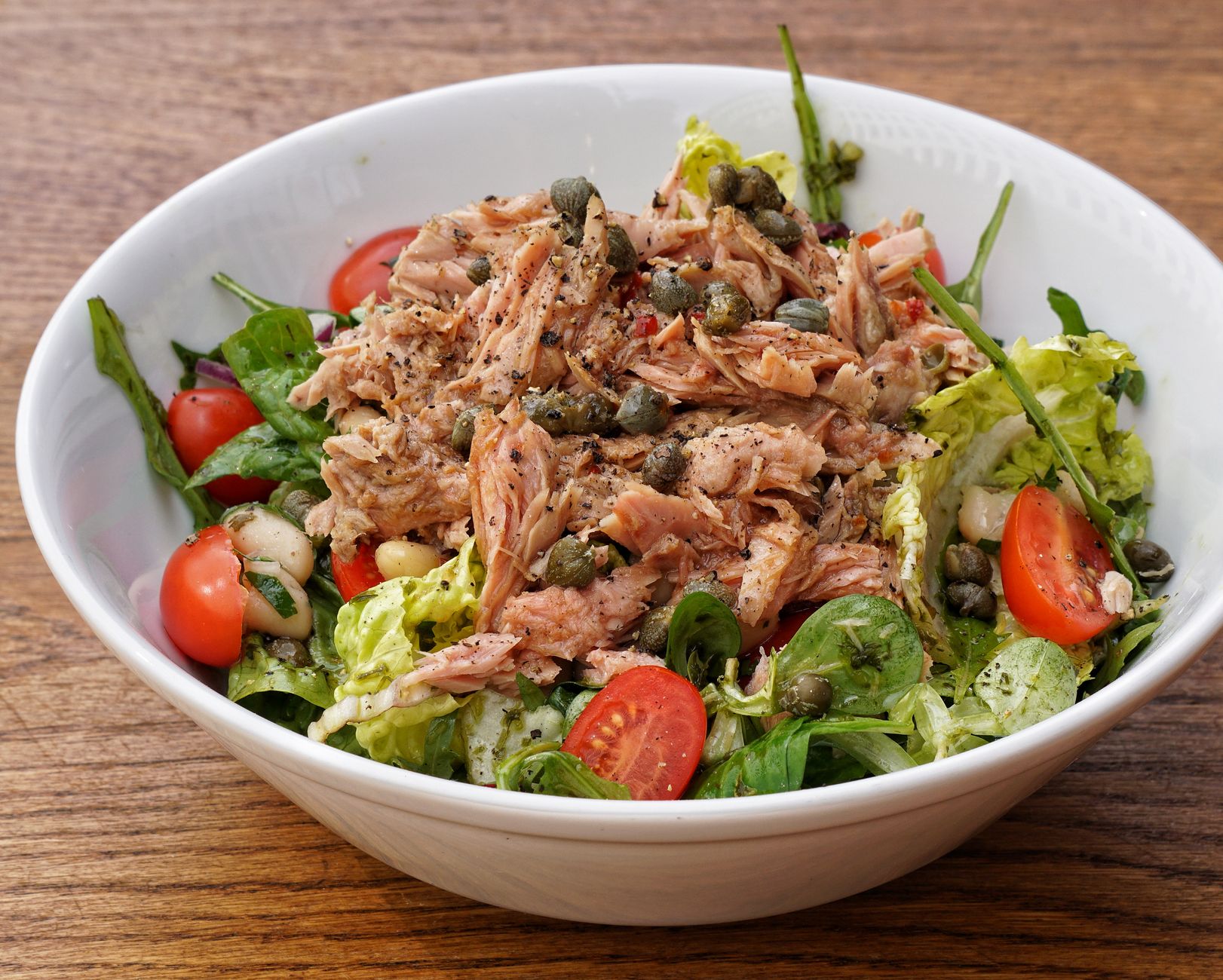
Capers are small flower buds that pack a unique punch in culinary dishes, often described as tangy, briny, and zesty. These flavorful buds are typically found preserved in salt or brine, making them a popular ingredient in Mediterranean cuisine. Understanding how capers taste can help elevate your cooking by adding depth and complexity to a variety of dishes.
In this article, we will explore the taste profile of capers, their texture, common culinary uses, and how to pair them effectively. You’ll also find suggestions for ingredient substitutions and tips for incorporating capers into your meals.
What Are Capers Taste Like?
Capers have a distinct flavor that combines salty, tangy, and slightly lemony notes, making them versatile for enhancing dishes. Their taste can be likened to green olives or pickles, providing a burst of briny goodness that brightens food. The intensity of their flavor can vary depending on their size and the method of preservation.
Flavor Profile of Capers
The flavor of capers can be broken down into several key elements:
- Salty: Capers are often stored in brine or salt, contributing a natural salinity that enhances other flavors in dishes.
- Tangy: The acidity from brining adds a tangy zest, brightening up rich or fatty foods.
- Herbaceous: Some might detect a subtle floral or herbal quality, which can add an aromatic layer to meals.
- Sour: Depending on how they are prepared, capers may also present a slight sourness, reminiscent of citrus.
Texture of Capers
Capers have a unique texture that can also influence how they are used in cooking. When properly preserved, capers are firm and slightly crunchy, adding a pleasant textural contrast to dishes. Their size, usually ranging from small to medium, allows them to integrate seamlessly into sauces, salads, and toppings without overwhelming other ingredients.
Culinary Uses for Capers
Capers are an essential ingredient in many cuisines, particularly Mediterranean and Italian dishes. Here are some popular culinary uses:
- Pasta dishes: Capers work exceptionally well in pasta sauces, providing an ideal complement to creamy or tomato-based sauces.
- Salads: A handful of capers can elevate a simple green salad or a classic Caesar by adding complexity.
- Meat and seafood: Capers pair well with meats like chicken, beef, and lamb, as well as with fish such as salmon and tuna, often served in sauces or alongside.
- Tapenade: This olive-based spread often includes capers for added brininess, making it great for appetizers or sandwiches.
- Dressings: Finely chopped capers can enhance vinaigrettes and creamy dressings, bringing extra flavor to coleslaws and salads.
Pairing Capers with Other Ingredients
When looking to create dishes with capers, the following flavor pairings can enhance their impact:
- Lemon: The acidity of lemon juice mirrors the tanginess of capers, making it a natural pairing.
- Garlic: Fresh garlic or garlic powder can complement the briny flavor of capers beautifully.
- Herbs: Fresh herbs like parsley, basil, or dill can balance the intensity of capers while adding freshness.
- Cheese: Items like feta or goat cheese create a contrasting creamy texture that works well in salads and pasta dishes.
- Olives: The earthy flavor of olives can harmonize with capers in dips, salads, and tapenades.
Choosing and Storing Capers
When selecting capers, consider the following tips:
- Type: Choose between capers packed in salt or in vinegar brine according to the intended use. Salt-packed capers tend to be stronger in flavor, while brined capers are more common and milder.
- Size: Small capers (often referred to as nonpareil) are usually preferred for their delicate flavor, while larger capers have a meatier texture.
- Color: Look for capers that are dark green in color, avoiding any that appear wilted or discolored.
For storage, keep opened jars of brined capers in the refrigerator, ensuring they are submerged in liquid to preserve their flavor. Salt-packed capers should be kept in a cool, dry place, and can be used directly from the package or rinsed before use, depending on your recipe.
Ingredient Substitutions for Capers
If you find yourself in a bind without capers, there are several substitutions you can use. Each alternative will offer a slightly different flavor and intensity:
- Green olives: These have a similar briny, salty taste and can be chopped to mimic the texture of capers.
- Pickles: Diced pickles can provide a comparable sour and salty profile, though they may not have the same herbal notes.
- Black olives: While less tangy, they can still add a saltiness that’s generally acceptable in most dishes.
- Chopped sun-dried tomatoes: If you’re looking for a burst of flavor, sun-dried tomatoes can offer a sweet and tangy element, though they lack the saltiness of capers.
Common Mistakes When Using Capers
When cooking with capers, there are a few common pitfalls to avoid:
- Using too many: While capers add flavor, overusing them can overpower a dish. Start with a small amount and adjust according to your taste.
- Forgetting to rinse salt-packed capers: Failing to rinse salt-packed capers thoroughly can lead to an overly salty dish. Make sure to rinse and taste before adding them in.
- Cooking capers too long: Prolonged cooking can dull the flavor of capers. Add them towards the end of cooking for a burst of flavor that remains vibrant.
Simple Ways to Incorporate Capers into Your Meals
Here are some practical suggestions for getting more capers into your cooking:
- Mix into sauces: Stir capers into tomato or cream sauce for pasta during the last few minutes of cooking.
- Garnish dishes: Top fish, meats, or salads with capers for an instant flavor boost.
- Make a vinaigrette: Whisk together olive oil, vinegar, minced capers, and mustard for a delicious salad dressing.
- Add to spreads: Combine capers with cream cheese or avocado for flavorful dips and spreads.
Exploring Capers in Different Cuisines
Capers can be found in a range of culinary traditions. Here’s how they fit into various cuisines:
- Italian: Capers are famously used in Italian dishes such as Chicken Piccata and Puttanesca sauce.
- Greek: In Greek cuisine, capers appear in salads and as a topping for grilled meats and fish.
- Middle Eastern: Capers often join olives, tahini, and lemon in various cream-based dips, offering a flavorful contrast.
- French: In French cooking, capers enhance sauces for fish and meat dishes, notably in beurre blanc and sauces for Duck à l’Orange.
Conclusion
Understanding how capers taste can transform your cooking and enhance flavors in numerous dishes. Their briny, tangy, and floral notes add an exciting depth to salads, meats, pastas, and much more. Remember to start small and adjust to find the right balance in your recipes.
To learn more about flavors and cooking techniques, check out our guides on thyme and crab.