
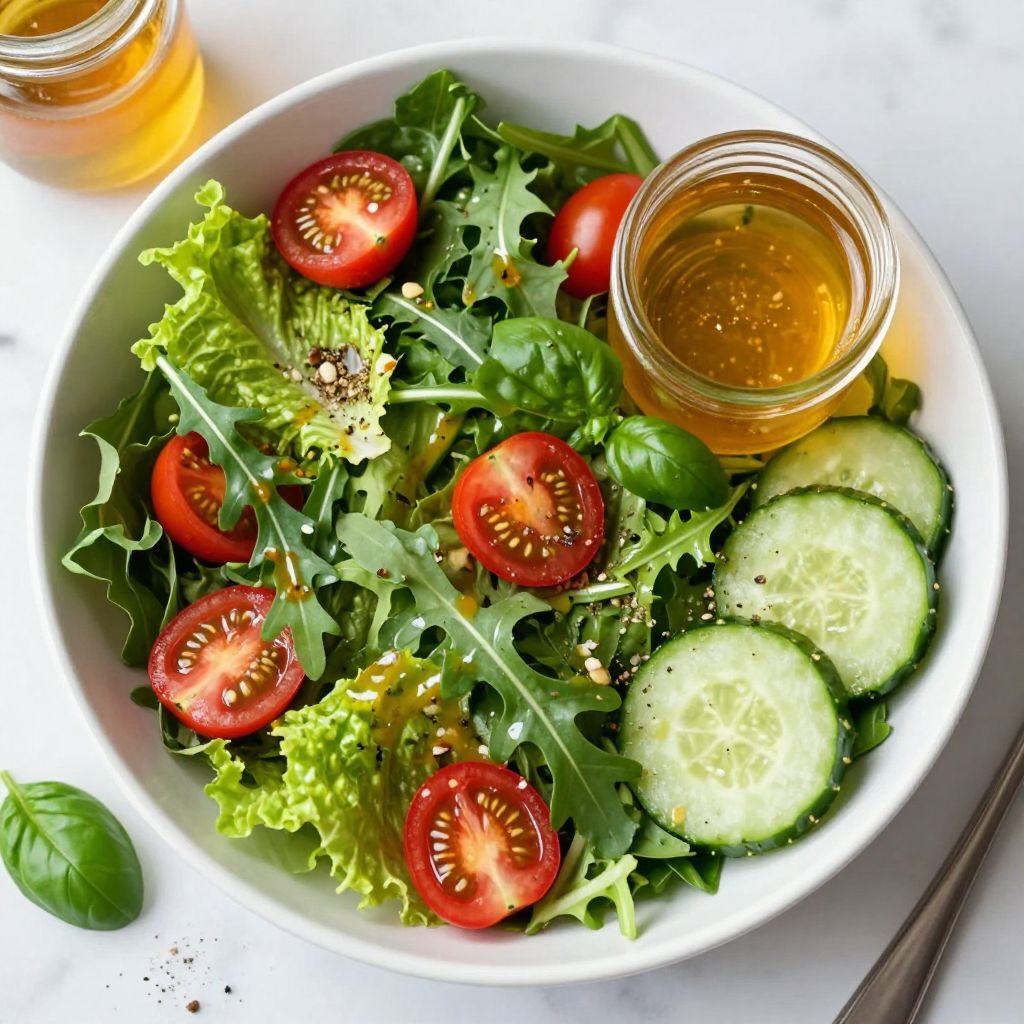
Picture this: a crisp salad topped with a tangy, herb-infused dressing that dances on your taste buds. That’s what you get with this Italian Vinaigrette Recipe — a simple yet flavorful dressing that brings together the goodness of fresh ingredients in a delightful way.
This vinaigrette is special because it combines the bright flavors of vinegar, olive oil, and herbs, making it a versatile choice for salads, marinades, or drizzling over roasted vegetables. It’s a perfect balance of zesty and savory, and, best of all, it’s quick to whip up with ingredients you probably already have on hand.
Let’s dive into how to make this delicious dressing!
Why You’ll Love This Recipe
This Italian vinaigrette is a must-try for anyone who enjoys a fresh burst of flavor.
- Quick and easy to make in under 10 minutes.
- Made with pantry staples that pack a punch.
- Versatile enough for salads, marinades, and more.
- Adjustable flavor profile to suit your taste.
- Homemade means no preservatives or artificial ingredients.
My Experience Making This Recipe
When I first made this vinaigrette, I was taken aback by how simple yet delicious it turned out. The aroma of fresh herbs mixed with tangy vinegar filled my kitchen and instantly made me feel like an Italian chef.
My family loved it so much that they started asking for it with every meal. There’s something about homemade dressings that elevates a dish from ordinary to extraordinary.
Recipe Overview
- Recipe Name: Italian Vinaigrette
- Servings: 8
- Prep Time: 10 minutes
- Cook Time: 0 minutes
- Total Time: 10 minutes
- Course: Condiment
- Cuisine: Italian
- Calories per Serving: 120
Equipment You Will Need
- Mixing bowl
- Whisk or fork
- Measuring cups
- Measuring spoons
- Jar or bottle for storage
Ingredients for Italian Vinaigrette
- 1/2 cup of extra virgin olive oil
- 1/4 cup of red wine vinegar
- 1 teaspoon of dijon mustard
- 1 clove of garlic, minced
- 1 teaspoon of dried oregano
- 1 teaspoon of dried basil
- Salt and pepper to taste
Ingredient Notes and Substitutions
- Extra virgin olive oil: This adds a rich flavor. You can substitute with any light oil like grapeseed if desired.
- Red wine vinegar: Provides the tanginess. White wine vinegar can be a great alternative.
- Dijon mustard: Acts as an emulsifier. Yellow mustard can work in a pinch, though the flavor will differ slightly.
- Garlic: Enhances the overall flavor. You can use garlic powder if fresh isn’t available.
- Dried herbs: They add depth. Fresh herbs can be used but may require more than dried.
How to Make Italian Vinaigrette
Step 1: Gather Your Ingredients
Start by collecting all your ingredients. This makes the process smoother and ensures you don’t forget anything.
Step 2: Whisk Together Vinegar and Mustard
In a mixing bowl, combine the red wine vinegar and dijon mustard. This step helps to create a base for your vinaigrette.
Step 3: Add Garlic and Herbs
Stir in the minced garlic, oregano, and basil. These ingredients infuse the vinaigrette with flavor right from the start.
Step 4: Slowly Add Olive Oil
While whisking, slowly drizzle in the olive oil. This emulsifies the ingredients, creating a silky texture.
Step 5: Season with Salt and Pepper
Add salt and pepper to taste. This step enhances the overall flavor, so adjust according to your preference.
Step 6: Taste and Adjust
Give your vinaigrette a taste. If it needs more acidity, add a splash more vinegar; for richness, a bit more oil can help.
Step 7: Transfer to Storage Container
Pour the vinaigrette into a jar or bottle for easy storage. This makes it convenient for future use.
Step 8: Refrigerate and Enjoy
Let the vinaigrette chill in the refrigerator for at least 30 minutes for the flavors to meld. It’s worth the wait!
Pro Tip: For an extra burst of flavor, try adding a teaspoon of honey or maple syrup for a touch of sweetness.
Tips for the Best Italian Vinaigrette
- Use fresh ingredients whenever possible for the best flavor.
- Let your vinaigrette sit for at least 30 minutes before using to enhance the taste.
- Experiment with different vinegars for unique flavor profiles.
- Shake well before each use, as ingredients may separate.
- Store it in a cool, dark place to keep the oil from going rancid.
Common Mistakes to Avoid
- Using low-quality oil: It can ruin the vinaigrette’s flavor.
- Not whisking enough: This can prevent proper emulsification.
- Ignoring seasoning: Salt and pepper are crucial for balancing flavors.
- Skipping the resting time: Flavors need time to develop.
Serving Suggestions
This vinaigrette pairs beautifully with a variety of dishes.
- Drizzle over mixed greens for a refreshing salad.
- Use as a marinade for grilled chicken or vegetables.
- Enhance roasted potatoes with a splash of vinaigrette.
- Top off a grain bowl for added flavor.
Variations to Try
- For a spicy kick, add a pinch of red pepper flakes.
- Substitute balsamic vinegar for a sweeter, richer taste.
- Incorporate fresh herbs like parsley or cilantro for brightness.
- Add grated Parmesan cheese for a creamy texture.
Dietary Adaptations
- Gluten-free: All ingredients are naturally gluten-free.
- Dairy-free: This recipe is dairy-free as is.
- Vegan/Vegetarian: Suitable for both diets without any modifications.
- Low-carb/Keto: Perfect for a low-carb lifestyle.
Storage and Reheating
Refrigerator
Store the vinaigrette in an airtight container in the fridge.
- It will last for up to two weeks.
- Make sure to shake well before each use.
Freezer
This vinaigrette is not recommended for freezing, as it can separate.
- Fresh is always best for vinaigrettes.
Reheating
No reheating is necessary, simply bring it back to room temperature before using.
- Shake or stir to recombine the ingredients.
Nutrition Information
| Nutrient | Amount |
|---|---|
| Calories | 120 |
| Total Fat | 14g |
| Saturated Fat | 2g |
| Carbohydrates | 0g |
| Fiber | 0g |
| Sugar | 0g |
| Protein | 0g |
| Sodium | 5mg |
| Cholesterol | 0mg |
This nutritional information is approximate and may vary based on ingredients and measurements.
Frequently Asked Questions
Can I make this vinaigrette ahead of time?
Absolutely! It can be made up to a week in advance and stored in the refrigerator.
What can I substitute for red wine vinegar?
You can use white wine vinegar or apple cider vinegar for a similar flavor profile.
Why did my vinaigrette separate?
This can happen if it sits too long; just shake or whisk it again to recombine.
Can I use fresh herbs instead of dried?
Yes, but you will need more fresh herbs as their flavor is less concentrated.
Is this vinaigrette suitable for a low-carb diet?
Yes, it is low in carbohydrates, making it a great choice for low-carb diets.
Final Thoughts
With just a few simple ingredients, this Italian Vinaigrette Recipe can transform any dish into something special. I encourage you to give it a try and make it your own!
For more delicious dressing ideas, check out my recipes for Chipotle Vinaigrette and Catalina Dressing.
Italian Vinaigrette
Ingredients
Equipment
Method
- In a mixing bowl, combine the red wine vinegar and dijon mustard.
- Stir in the minced garlic, oregano, and basil.
- While whisking, slowly drizzle in the olive oil until emulsified.
- Add salt and pepper to taste.
- Taste the vinaigrette and adjust seasoning or acidity as needed.
- Pour the vinaigrette into a jar or bottle for storage.
- Refrigerate for at least 30 minutes before using to let flavors meld.