
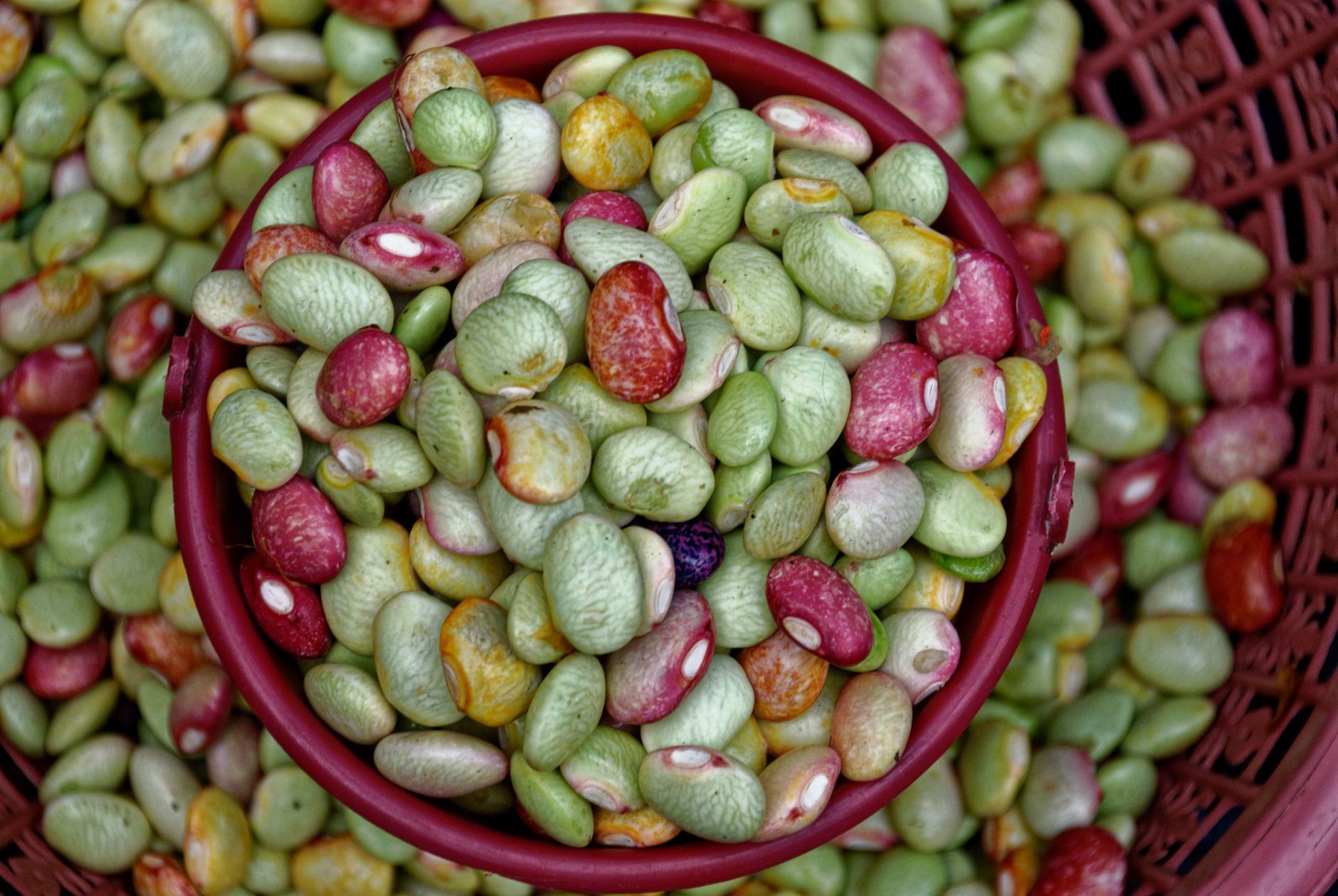
Haricot verts, also known as French green beans, are a delicate and flavorful variety of green beans that stand out due to their slender shape and tender texture. They are a popular choice in fine dining and home cooking alike, thanks to their vibrant color and crisp bite. Understanding how to incorporate haricot verts into your meals can elevate not only the taste but also the visual appeal of your dishes.
This article explores the essence of haricot verts, detailing their taste, culinary uses, selection criteria, and preparation methods. Whether you’re looking to incorporate them into your next dinner or simply want to learn more about this delightful vegetable, you’ll find the information here both practical and engaging.
What Are Haricot Verts?
Haricot verts are a specific type of green bean that is thinner and more tender than standard green beans. Originating from France, they are often harvested earlier than regular green beans, making them more delicate in flavor and texture. Typically, they are about 5 to 6 inches long and have a bright green color that can enhance any dish.
The Taste of Haricot Verts
When it comes to taste, haricot verts offer a subtly sweet and slightly grassy flavor. Their tender structure provides a satisfying snap when bitten into, which contrasts well with other ingredients. Cooking them preserves their bright color and gives them a delightful crunch, making them a popular choice for salads, side dishes, and gourmet meals.
Culinary Uses for Haricot Verts
Haricot verts are versatile and can be utilized in a variety of dishes. Below are a few culinary ideas to inspire your cooking with this delightful vegetable.
Classic Sautéed Haricot Verts
Sautéing is one of the simplest methods to prepare haricot verts. This method retains their color and adds a flavor boost when cooked with garlic, shallots, or even nuts like almonds. Simply sauté in olive oil for about 5-7 minutes until they are bright green and tender-crisp.
Haricot Verts in Salads
Due to their tender nature, haricot verts are excellent in salads. They can be blanched quickly, then tossed with vinaigrette and mixed greens. The salad will benefit from their crunch and enhance the overall texture.
Roasted Haricot Verts
Roasting haricot verts with a drizzle of olive oil, salt, and pepper can add a unique dimension of flavor. When roasted at high heat, around 400°F (200°C), they take on a slightly charred taste while maintaining their crispness. Roasted haricot verts can serve as a delicious side dish.
In Stir-Fries
In Asian cuisine, haricot verts can be a delightful addition to stir-fries. Their quick cooking time means they can easily be tossed into a hot pan with other vegetables, where they can absorb flavors from sauces like soy or oyster sauce.
As a Side Dish
They pair beautifully with grilled or roasted meats. They can be served alongside steak, chicken, or fish, providing a colorful and nutritious complement to the meal.
In Soups
For a lighter option, haricot verts can be added to soups or stews. They cook quickly and can enhance both the nutrition and flavor profile of a dish. Adding them towards the end of cooking ensures they retain their crunchiness.
How to Select Haricot Verts
Selecting quality haricot verts ensures the best flavor and textural experience. Here are some tips for choosing the freshest beans:
- Color: Look for a bright green color with no discolorations or brown spots.
- Texture: They should feel firm and crisp to the touch. Avoid any that feel soft or wilted.
- Length: Choose beans that are uniform in size; ideally, they should be about 5 to 6 inches long.
- Freshness: If available, consider purchasing haricot verts from local farmers’ markets for the freshest options.
Preparation of Haricot Verts
Once you’ve selected your haricot verts, proper preparation is key to achieving the best flavor and texture. Here’s how to prepare them:
Washing and Trimming
- Rinse haricot verts under cold running water to remove any dirt or debris.
- Trim the ends using a sharp knife or kitchen scissors. You can simply remove the tips, which can often be a bit woody.
Blanching
Blanching is a technique that involves briefly boiling the beans and then plunging them into ice water. This process helps to preserve the bright green color and enhances their flavor:
- Bring a large pot of salted water to a boil.
- Add the haricot verts and let them cook for about 2-3 minutes.
- Using a slotted spoon, transfer the beans to an ice water bath to stop the cooking process.
- Drain and pat dry before using in your chosen dish.
Culinary Pairings
Haricot verts pair well with several ingredients, enhancing flavors and textures in various dishes. Here are some recommended pairings:
- Citrus: The brightness of lemon or lime juice complements their subtle sweetness.
- Nuts: Toasted almonds, walnuts, or pecans add crunchy texture.
- Herbs: Fresh herbs like parsley, thyme, or dill work beautifully to impart freshness.
- Cheese: Feta, goat cheese, or Parmesan adds richness that balances the beans’ crispness.
- Proteins: Haricot verts naturally pair with meats such as chicken, pork, or steak.
Common Mistakes to Avoid
While preparing haricot verts can be straightforward, there are several common pitfalls to be aware of:
- Overcooking: Avoid cooking them too long, as this leads to a mushy texture. Aim for tender-crisp.
- Skipping Cleaning: Always wash haricot verts, even if they look clean, to ensure dirt and pesticides are removed.
- Not Trimming: Neglecting to trim can result in fibrous ends that are unpleasant to eat.
- Using Old Beans: Old or yellowed beans may lack flavor and snap, so prefer fresh ones whenever possible.
Storage and Preservation
Proper storage extends the life of your haricot verts, ensuring they remain fresh for longer. Here are guidelines for both short-term and long-term storage:
Short-Term Storage
- Keep fresh haricot verts in a perforated plastic bag in the refrigerator’s vegetable drawer.
- Use them within 3-5 days to ensure the best quality.
Long-Term Storage
- To freeze haricot verts, blanch them first to preserve color and flavor. After blanching, let them cool, then transfer to freezer bags.
- Label the bags with the date. Frozen haricot verts can last up to 12 months.
Recipe Ideas Featuring Haricot Verts
For those eager to utilize haricot verts in their cooking, here are a couple of recipe ideas that highlight their delightful qualities:
Sautéed Haricot Verts with Garlic and Almonds
Ingredients
- 1 pound of haricot verts
- 2 tablespoons olive oil
- 2 cloves garlic, minced
- 1/4 cup almond slices
- Salt and pepper to taste
Instructions
- Blanch haricot verts in salted boiling water for 2-3 minutes, then transfer to an ice bath.
- In a large skillet, heat olive oil over medium heat. Add garlic and sauté until fragrant.
- Add the drained haricot verts and almond slices, cooking for an additional 5-7 minutes.
- Season with salt and pepper to taste. Serve warm.
Haricot Verts Salad with Lemon Vinaigrette
Ingredients
- 1 pound of fresh haricot verts
- 4 cups mixed salad greens
- 1/4 cup feta cheese, crumbled
- 1/4 red onion, thinly sliced
- 2 tablespoons olive oil
- 1 tablespoon lemon juice
- Salt and pepper to taste
Instructions
- Blanch haricot verts as described earlier and set aside to cool.
- In a large mixing bowl, combine olive oil, lemon juice, salt, and pepper to create a vinaigrette.
- Add salad greens, cooled haricot verts, red onion, and feta cheese to the bowl. Toss gently to coat.
- Serve immediately for the freshest taste.
Conclusion
Haricot verts are not just beautiful but also a versatile ingredient that can enhance a variety of dishes with their unique flavor and texture. From sautéed preparations to fresh salads, they offer a delightful addition to your meals. By selecting, preparing, and cooking them correctly, you can fully enjoy this exquisite vegetable’s potential in your culinary repertoire.
For more recipe ideas, consider exploring the French Green Beans Recipe or try an Asian Green Bean Recipe for inspiration.